

Shrubs
Shrubs line the edges of woods, meadows, and terraced fields, forming natural hedges that protect, define, and enrich the landscape. Many provide berries that feed birds and have long been gathered by local communities for food or medicinal purposes, such as blackthorn, cornelian cherry, or dog rose. With their bright blossoms and seasonal fruits, shrubs reflect the biodiversity of Valpolicella and Lessinia and add color and variety to the trail.

European holly (Ilex aquifolium)
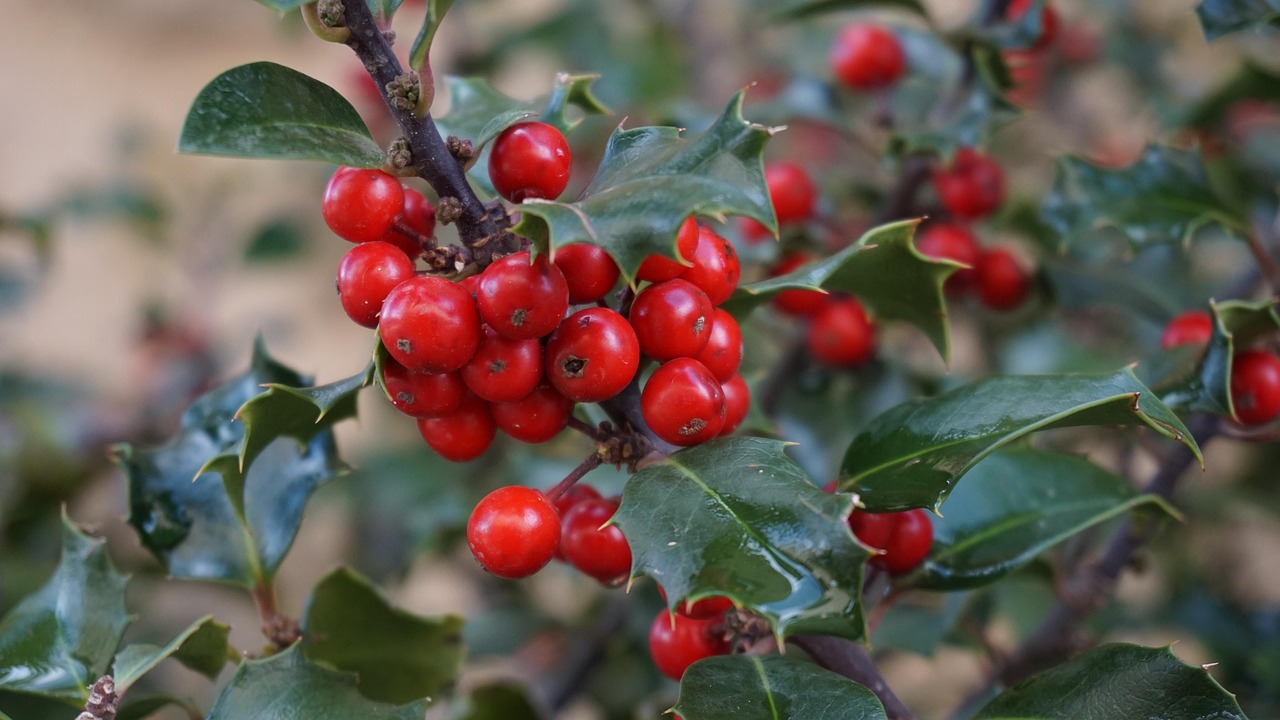
The European holly is an evergreen shrub or small tree, recognized by its leathery, glossy leaves with characteristic spiny margins. In autumn and winter, it produces bright red berries, which are poisonous to humans but provide an important food source for many bird species. It grows in the cool, shaded woodlands of the hills and mountains, where it can reach several metres in height. Well adapted to cold conditions, the European holly is also widely regarded as a traditional symbol of the winter season and festive celebrations.


Judas tree (Cercis siliquastrum)
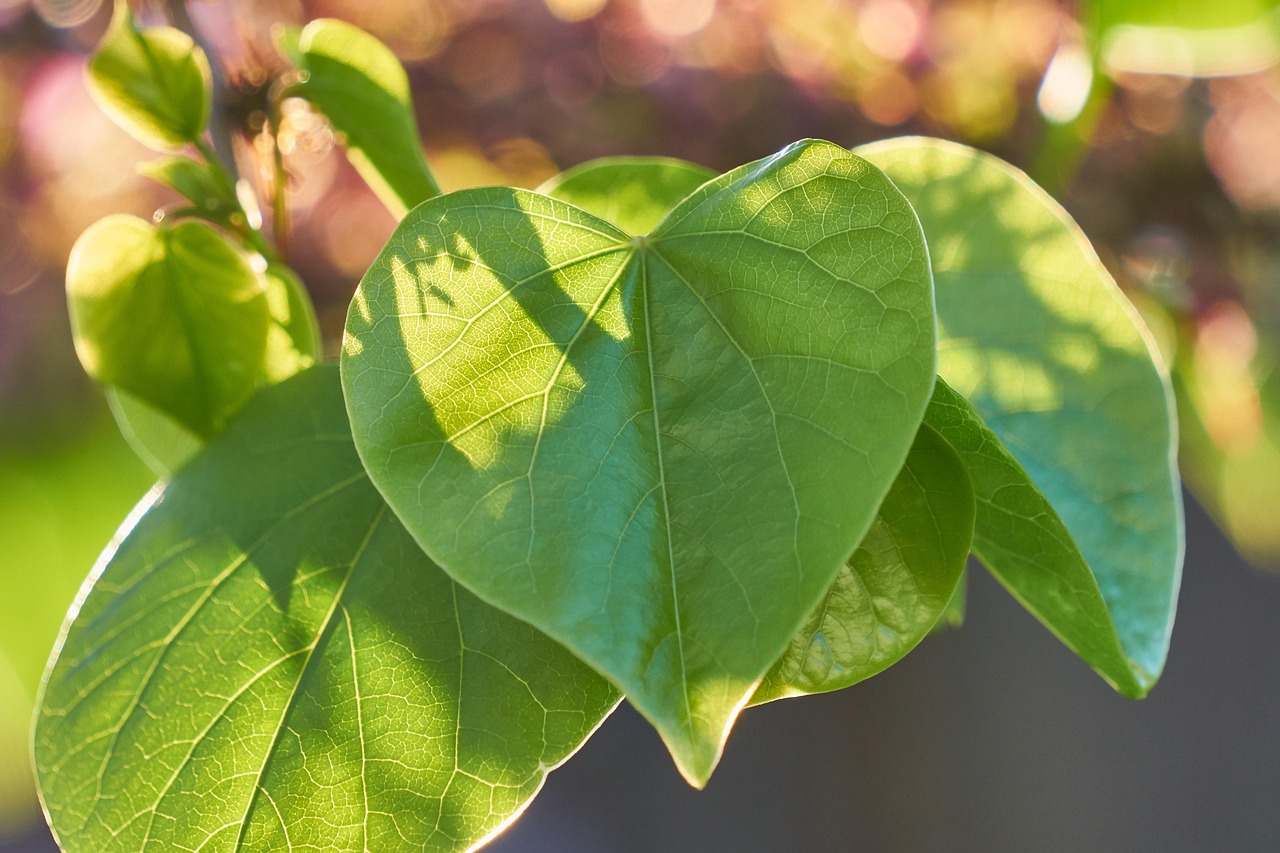
The Judas tree is a small deciduous tree with a rounded crown and distinctive heart-shaped, smooth-edged leaves. In spring, it becomes covered with striking pink to violet-pink flowers that emerge directly from the branches and even the trunk before the leaves appear, creating a spectacular display. It thrives in sunny locations and warm, well-drained soils, making it particularly characteristic of the hilly landscapes of Valpolicella. Its abundant spring flowering makes it one of the most attractive ornamental trees found along the route.


Common hawthorn (Crataegus monogyna)
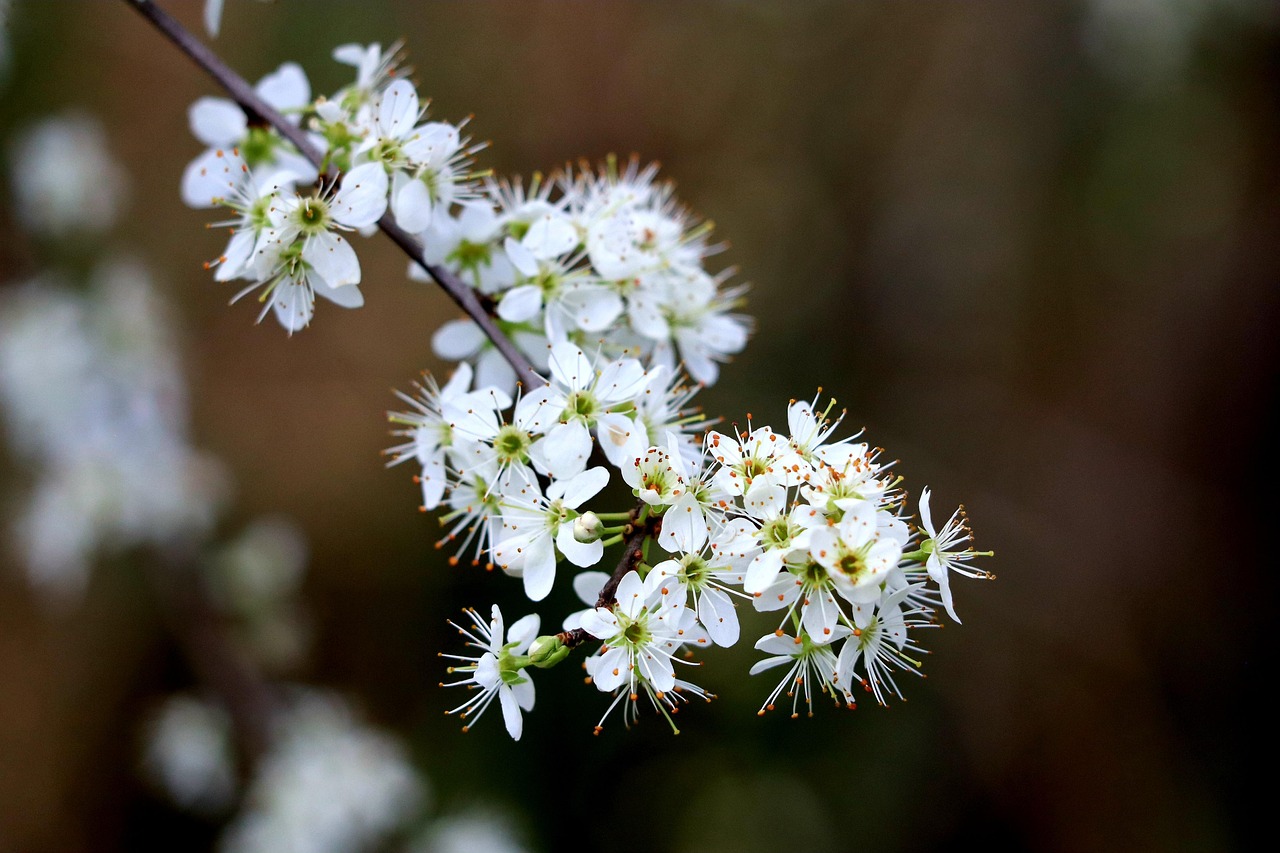
The common hawthorn is a thorny shrub widely found in open woodlands, hedgerows, and rural landscapes. It is characterized by its small, deeply lobed leaves, its fragrant white flowers that bloom in spring, and its bright red berries, known as haws, which ripen in autumn. Hawthorn plays an important ecological role: its flowers attract a wide range of pollinating insects, while its berries provide a valuable food source for many bird species during the colder months. Traditionally, it has also been used as a medicinal plant and as a natural boundary hedge, helping to define fields and property lines throughout the countryside.


European spindle (Euonymus europaeus)
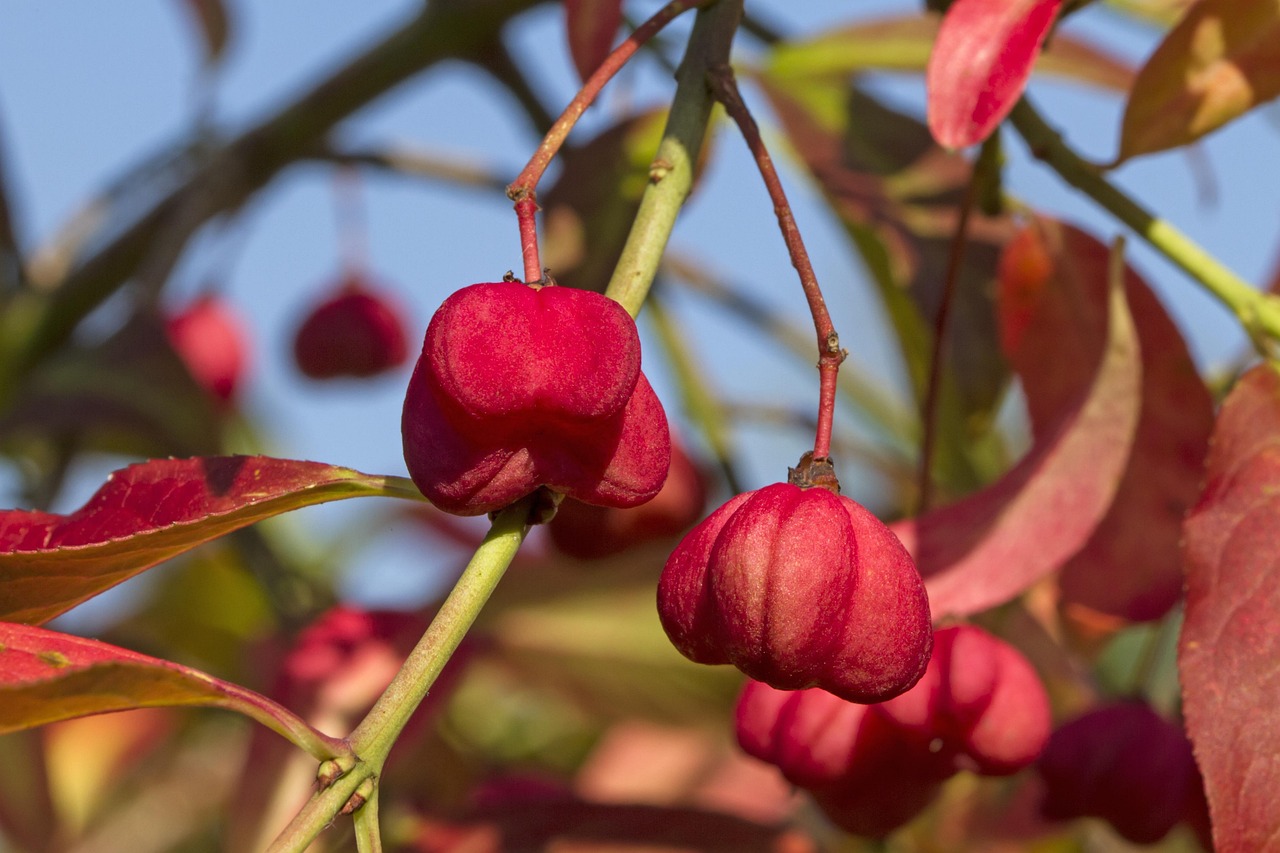
The European spindle is a shrub or small tree commonly found along woodland edges and in hedgerows. It has oval leaves and is especially noticeable in autumn, when it produces bright pink fruits that split open to reveal striking orange seeds. The fruits are poisonous to humans, but they provide a valuable food source for certain bird species. The plant is also highly valued for its ornamental qualities, as its foliage turns vivid shades of red in autumn, making it one of the most colourful shrubs in the landscape.
Common broom (Cytisus scoparius)
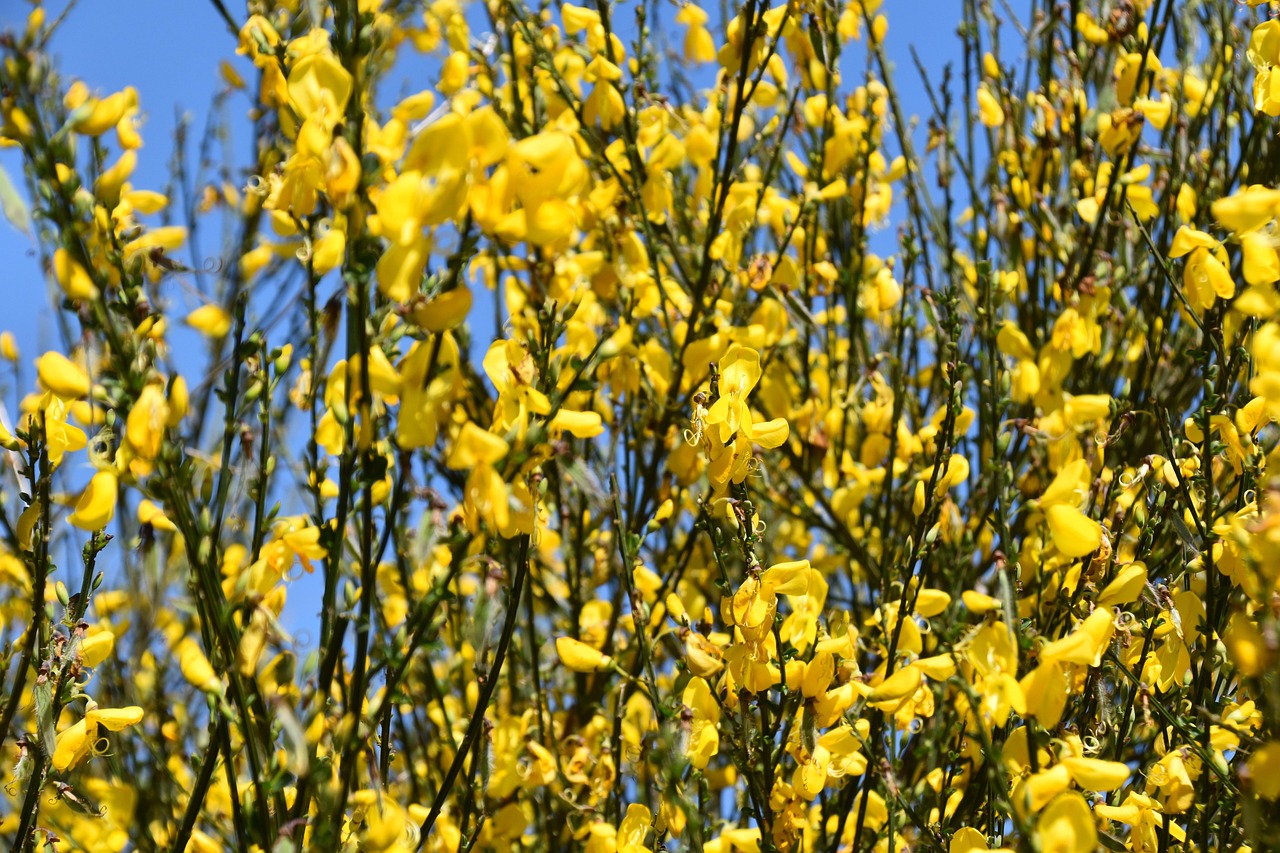
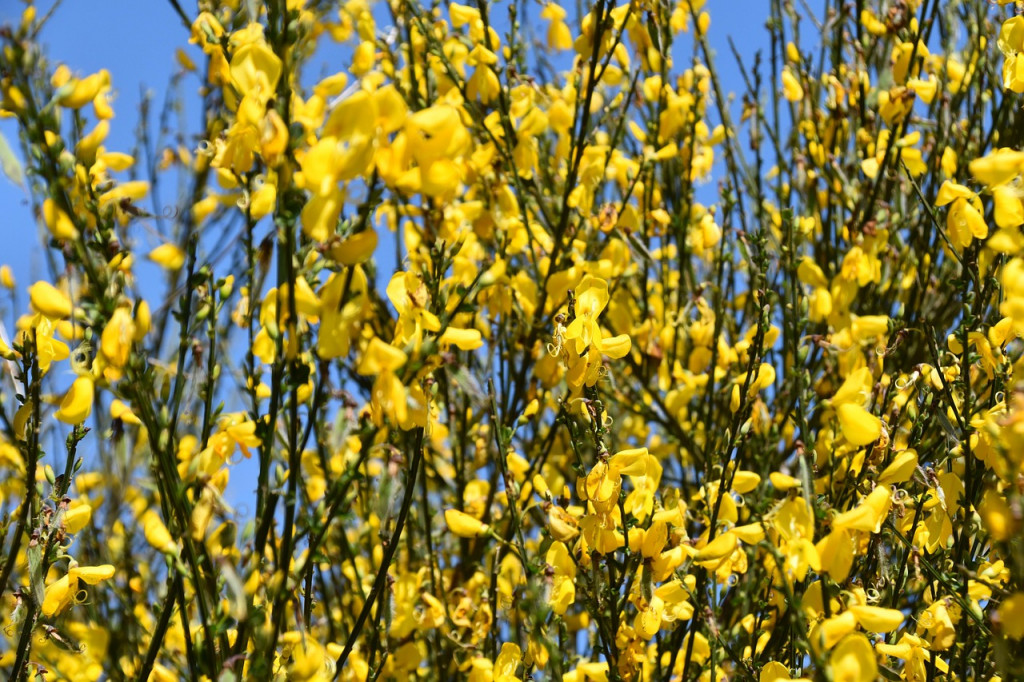
The common broom is a native shrub that can grow up to 2–3 metres in height. It is characterized by its slender green stems and its small, pea-like yellow flowers, which cover the plant in abundance during spring. It thrives on poor, sunny soils and is commonly found on dry slopes, open clearings, and grasslands throughout the Lessinia Mountains and Valpolicella. As a pioneer species, it helps improve soil fertility by fixing nitrogen through its root system. Its brilliant yellow flowering is one of the most striking signs of spring in the mountains, bringing vivid colour to the landscape along the trail.
Cornelian cherry (Cornus mas)
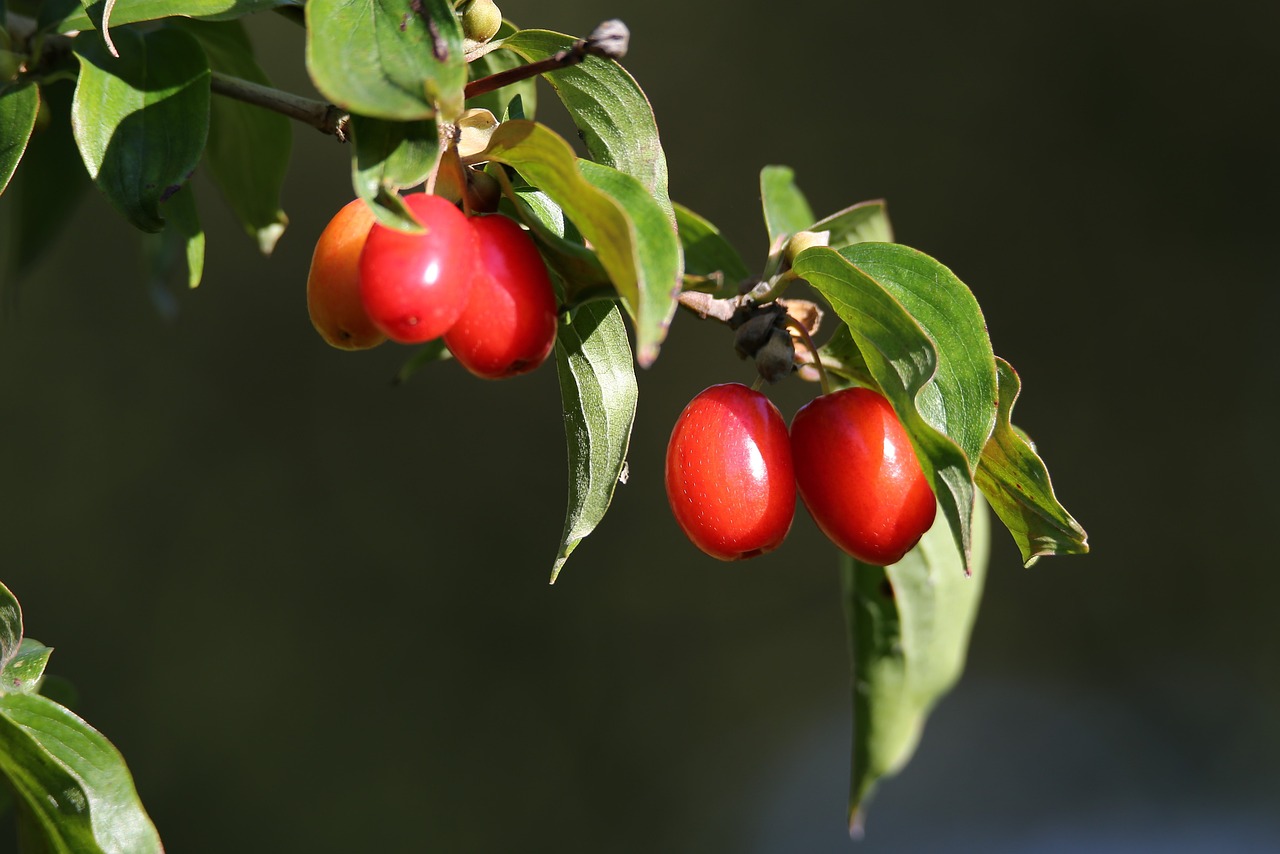
The Cornelian cherry is a shrub or small tree that can reach 5–6 metres in height. It is easily recognized in late winter, as its clusters of small yellow flowers appear in February and March, well before the leaves emerge. Its bright red fruits, known as cornels, ripen in late summer and are edible. They have traditionally been used to make jams, preserves, and liqueurs. The species favours sunny slopes and woodland edges and is common in both Valpolicella and the Lessinia Mountains. With its exceptionally early flowering, the Cornelian cherry is one of the first plants to announce the arrival of spring, bringing colour to the landscape when most trees are still dormant.
Common juniper (Juniperus communis)
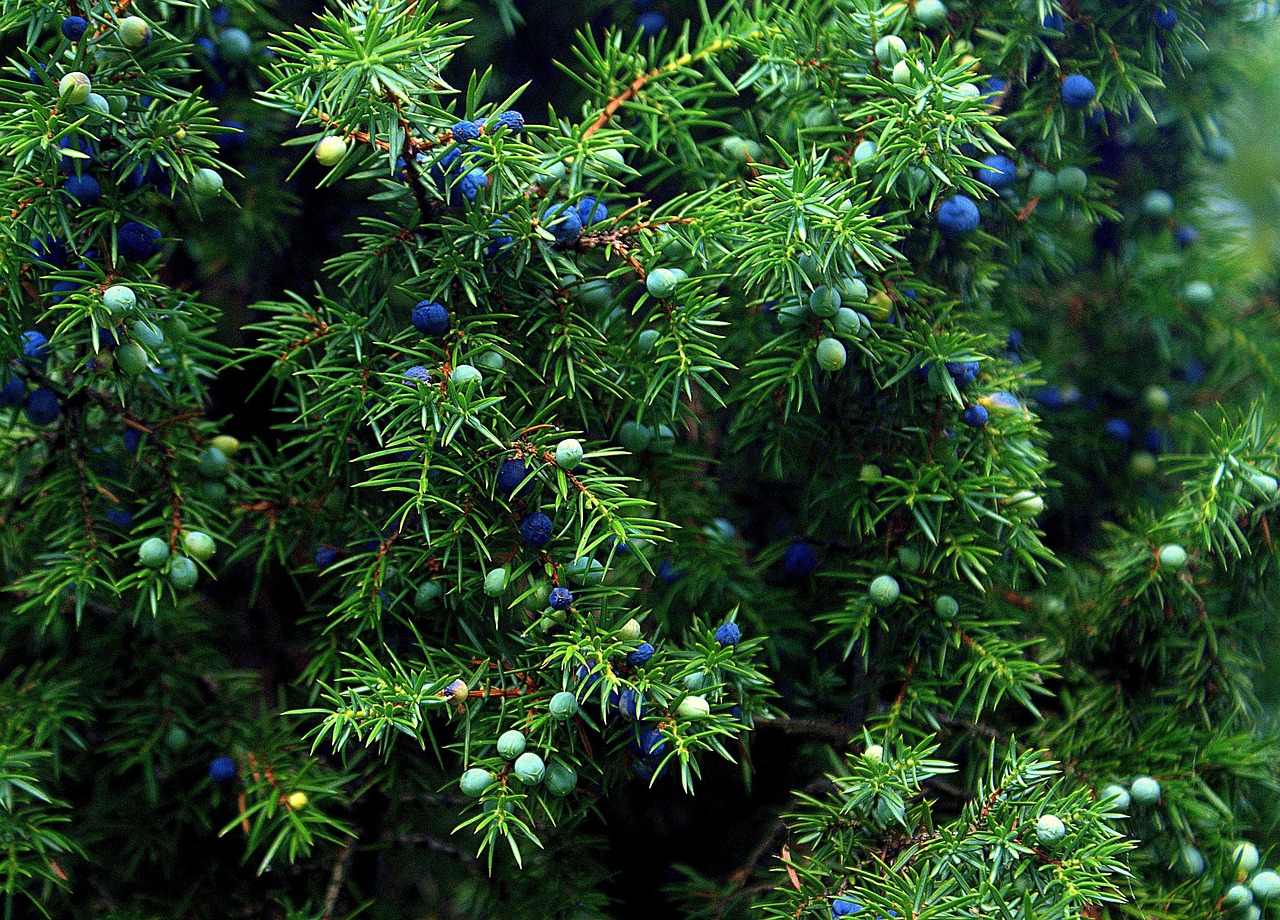
The common juniper is an evergreen shrub with a highly variable growth habit, ranging from low, spreading forms to upright specimens reaching 3–4 metres in height. It has stiff, sharp needle-like leaves and produces dark blue, berry-like cones that are widely used as a spice and in the production of gin. It thrives on dry, sunny soils and is found from the hills of Valpolicella to the pastures of the Lessinia Mountains, where it is a characteristic species of open, nutrient-poor habitats.
Raspberry (Rubus idaeus)
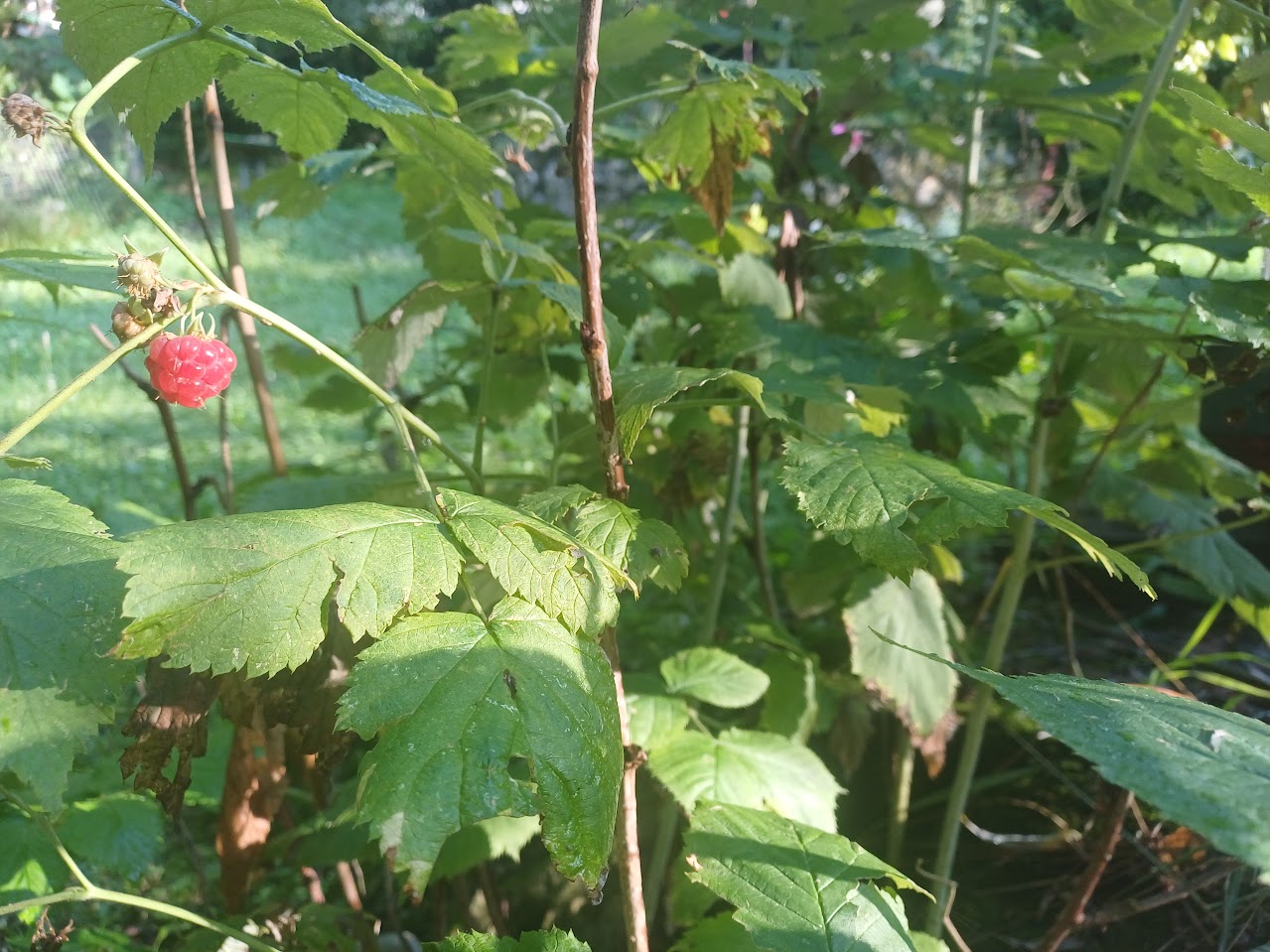
The raspberry is a bushy shrub that forms dense thickets of suckering stems and can grow up to 1.5–2 metres in height. It flowers in late spring with small white blossoms and produces sweet red fruits in summer, which are highly valued by both wildlife and people. It thrives in woodland clearings, forest edges, and the cool, moist habitats of the Lessinia Mountains, where it readily colonizes disturbed ground.
Wayfaring tree (Viburnum lantana)
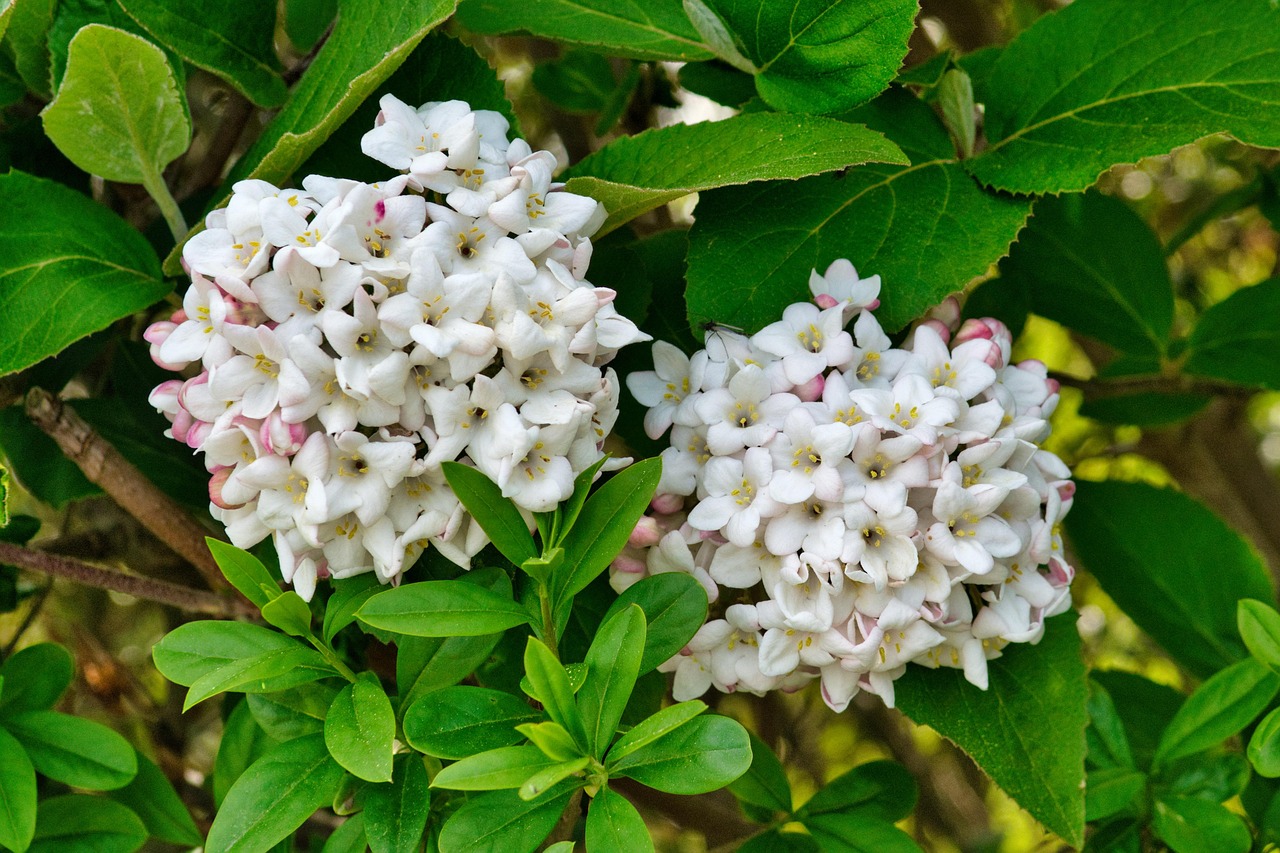
The wayfaring tree is a robust shrub that can reach 3–4 metres in height, with large, oval, softly hairy leaves. In spring, it produces clusters of small white flowers, followed by ornamental berries that turn from red to black as they ripen and are readily eaten by birds. It grows along woodland edges and on sunny slopes throughout Valpolicella and the Lessinia Mountains, where it is a characteristic component of hedgerows, scrublands, and forest clearings.
Wild privet (Ligustrum vulgare)
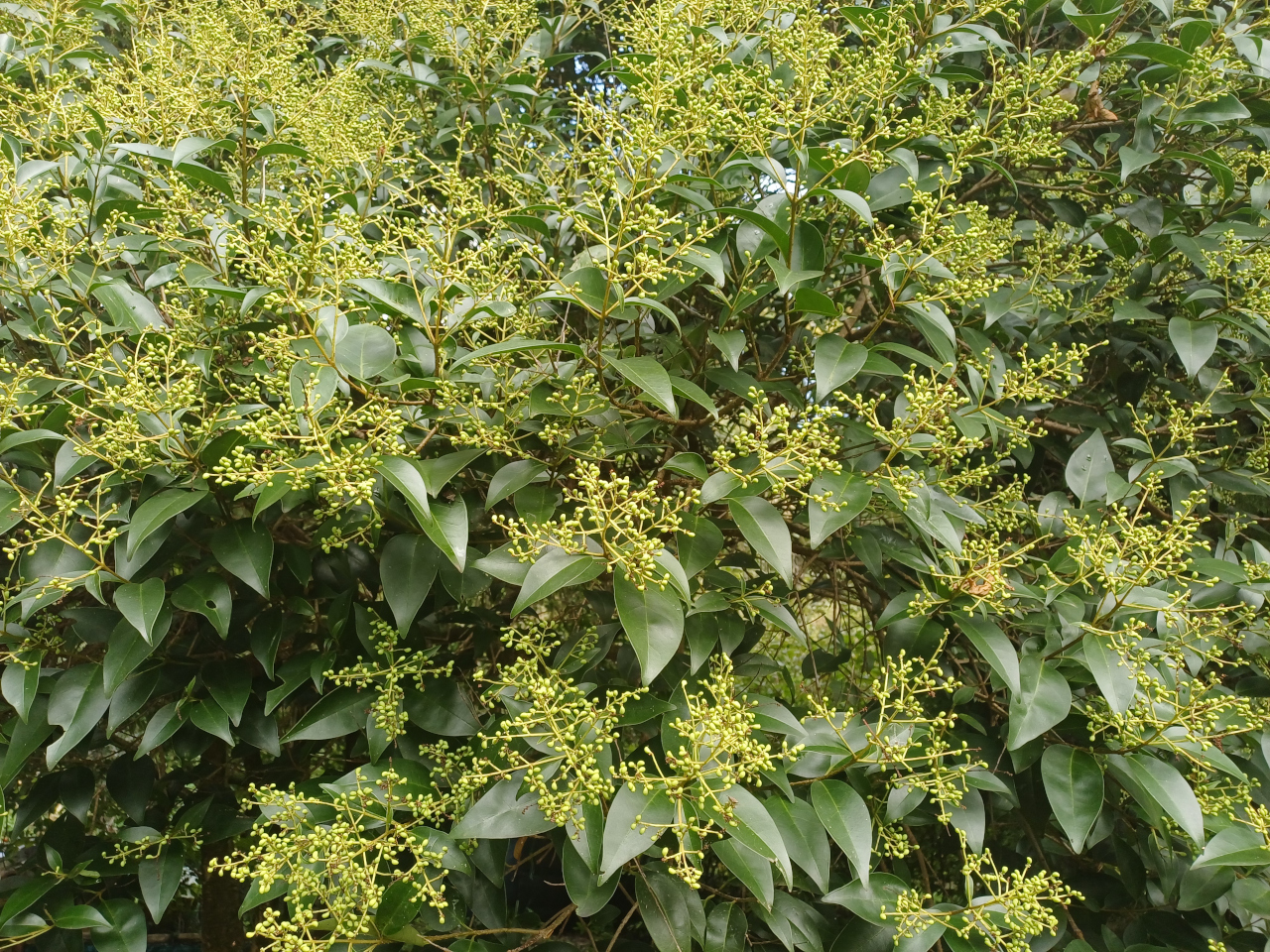
The wild privet is an evergreen or semi-evergreen shrub that can grow up to 3 metres in height, with glossy, oval leaves. In late spring, it produces clusters of small, fragrant white flowers arranged in panicles, followed by black berries that are poisonous to humans but provide food for many bird species. It is commonly found along woodland edges, in hedgerows, and beside sunny trails throughout Valpolicella and the Lessinia Mountains.
Hazel (Corylus avellana)
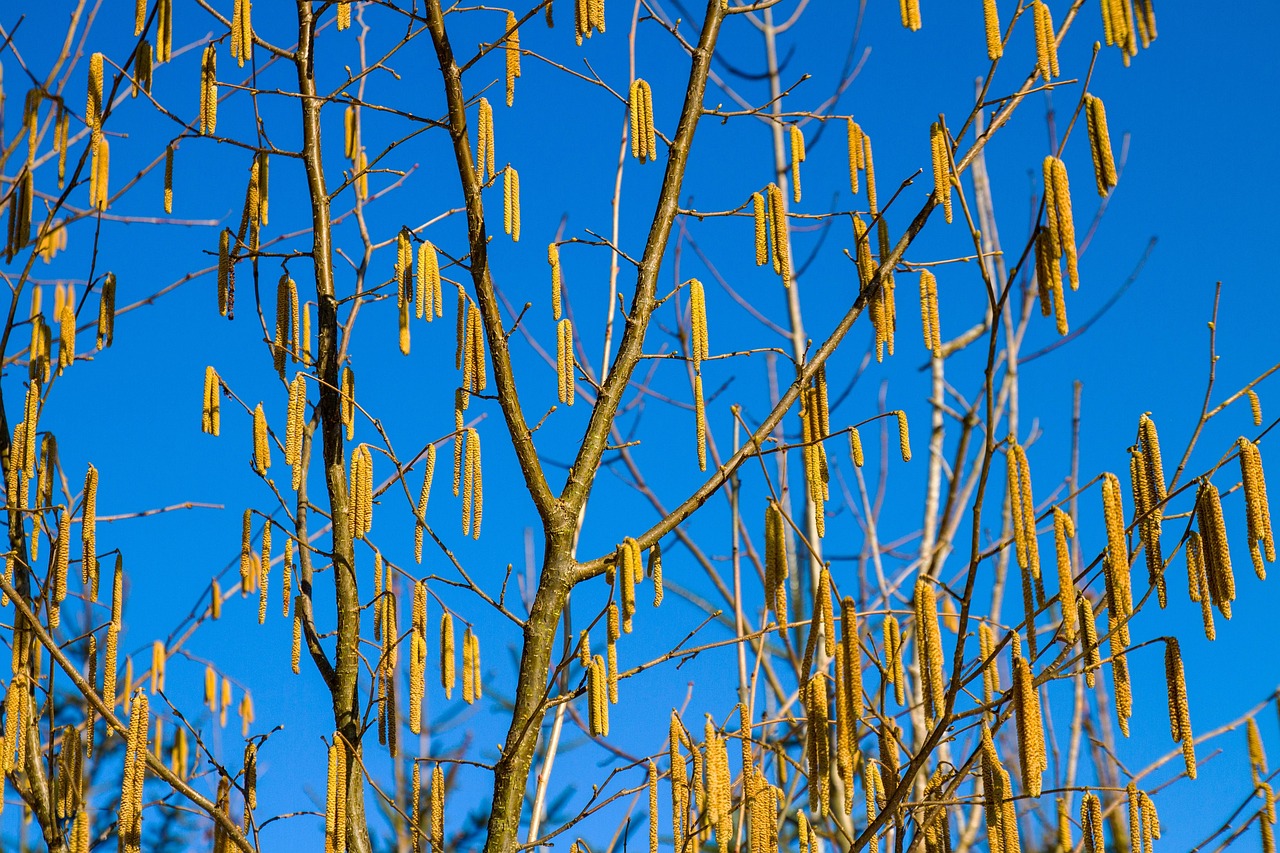
The hazel is a shrub or small tree that typically reaches 4–6 metres in height, often producing multiple stems from the base. It is characterized by its rounded, finely toothed leaves and by its distinctive yellow catkins, which appear in winter and provide one of the earliest signs of the approaching spring. In late summer and autumn, it produces hazelnuts, an important food source for wildlife and a valuable crop long used by local communities. The species commonly grows along woodland edges and in the cool valleys of Valpolicella and the Lessinia Mountains.
St Lucie cherry (Prunus mahaleb)
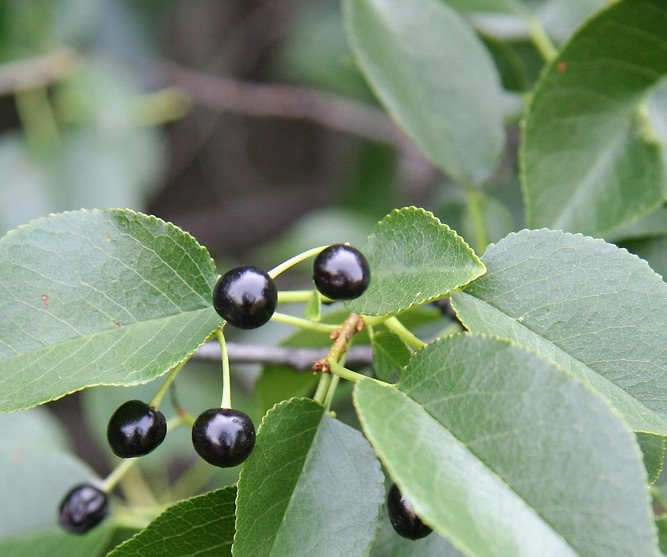
The St Lucie cherry is a small tree or large shrub that can reach 5–6 metres in height. It is distinguished by its dark bark, which releases a characteristic bitter-cherry fragrance when scratched or cut. In spring, it becomes covered with clusters of small white flowers that are highly attractive to bees, followed by small black drupes with a bitter taste. It thrives on warm, sunny slopes, calcareous soils, and woodland edges, and is particularly common in the hilly areas of Valpolicella.
Snowy mespilus (Amelanchier ovalis)
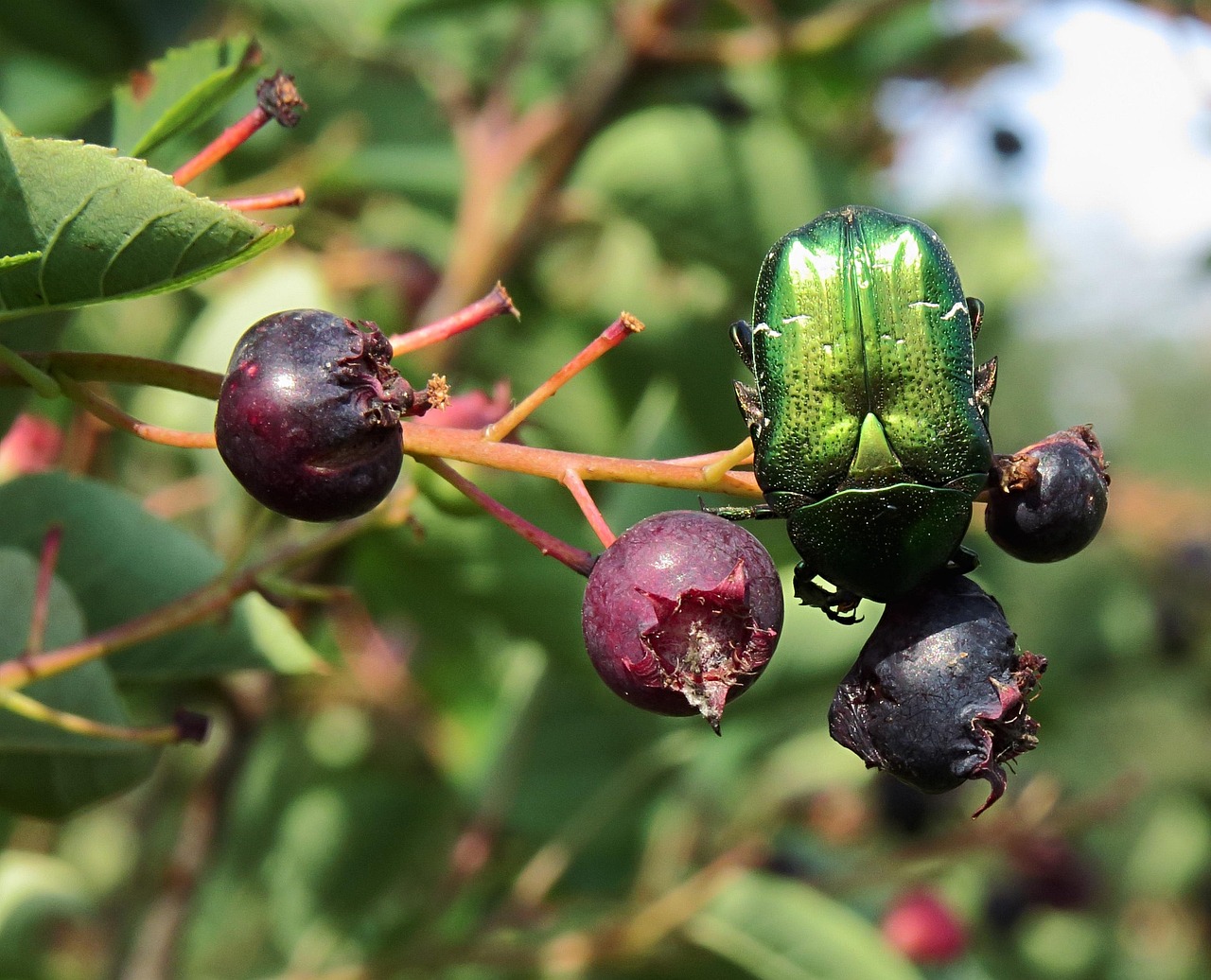
The snowy mespilus is a shrub or small tree that typically reaches 3–4 metres in height. It has oval leaves and produces clusters of delicate white flowers in spring, followed by small dark fruits that are edible, sweet, and rich in sugars. These berries were traditionally gathered and eaten by rural communities. The species thrives on sunny, rocky limestone soils and is commonly found on hilly slopes and in the dry areas of the Lessinia Mountains.
Mountain pine (Pinus mugo)
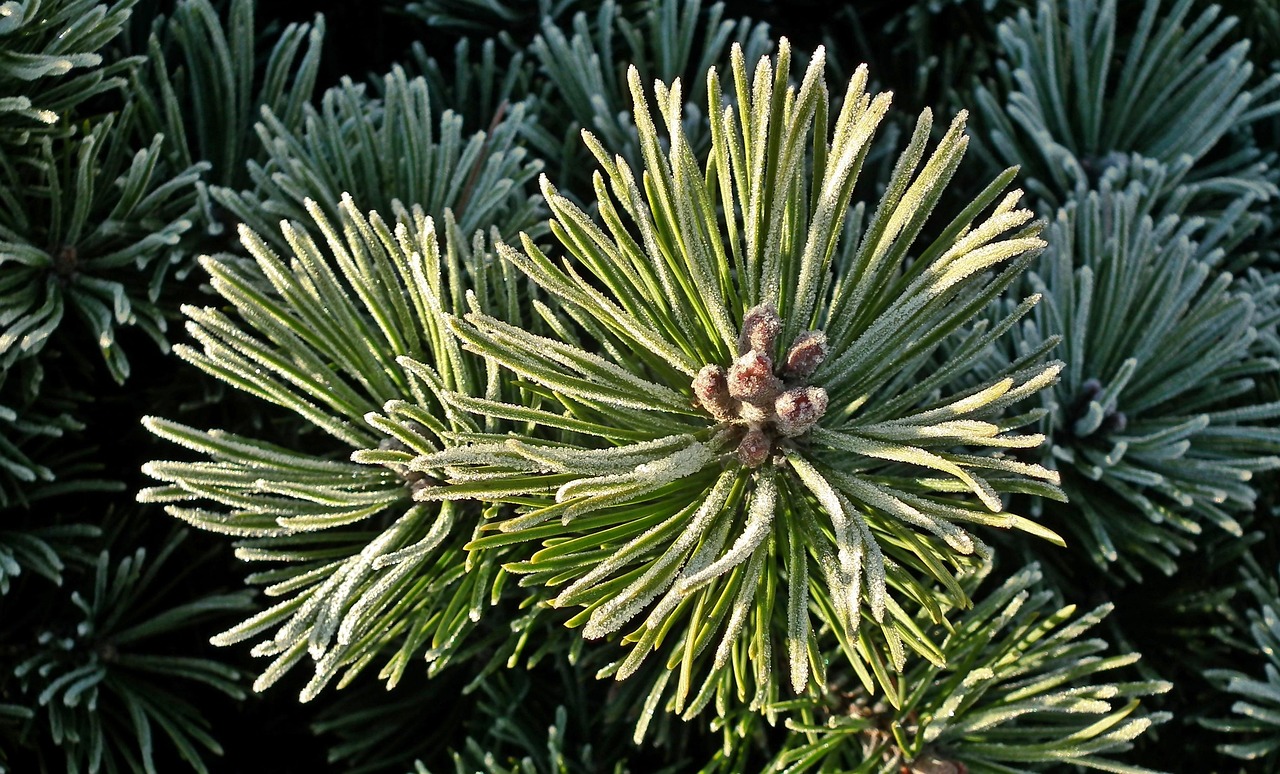
The mountain pine is an evergreen conifer with a shrubby growth habit, forming low, dense thickets that often cling to rocky, sun-exposed slopes. It has dark green needles arranged in pairs and produces small woody cones. This species is characteristic of the higher elevations of the Lessinia Mountains, where it is well adapted to strong winds and harsh winter conditions. By stabilizing the soil and providing shelter for wildlife, it plays an important ecological role in mountain habitats.
Blackthorn (Prunus spinosa)
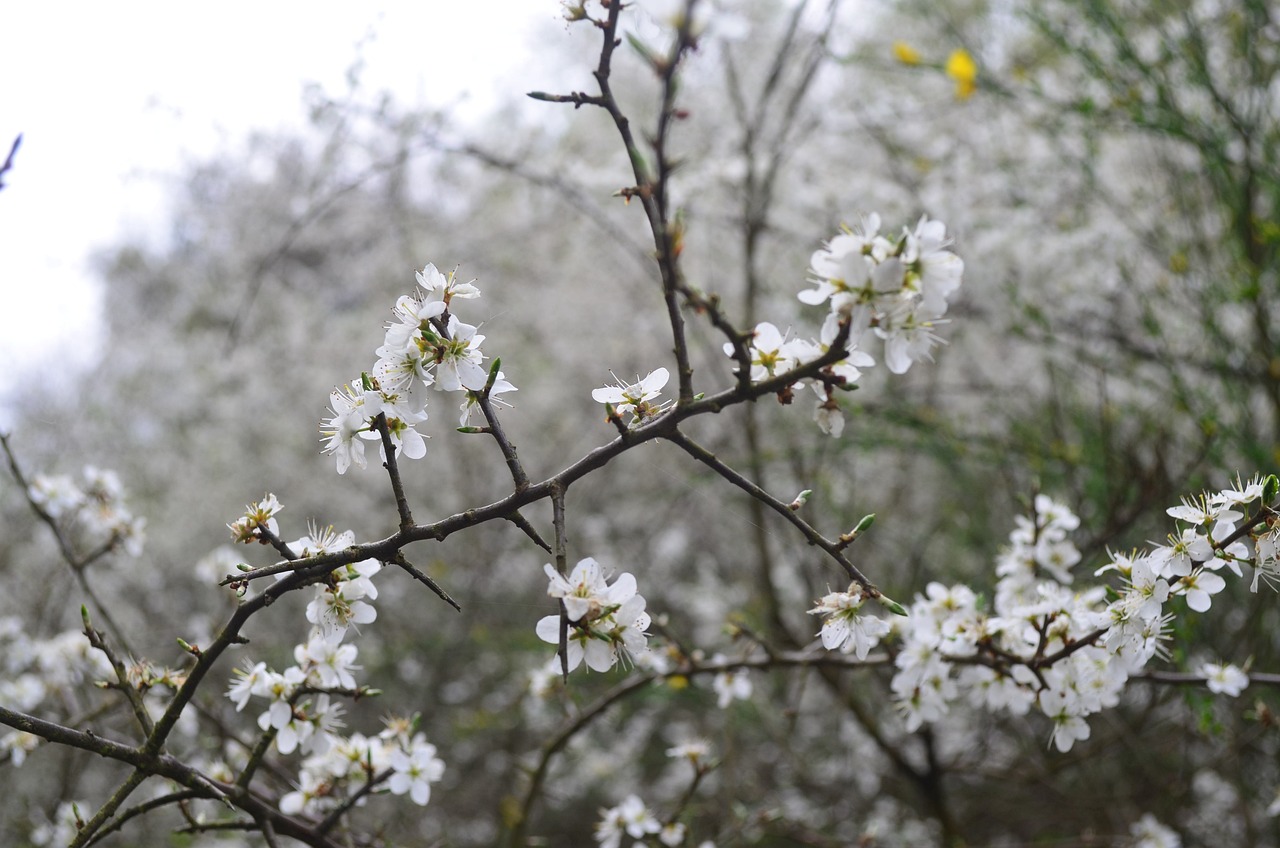
The blackthorn is a densely branched, thorny shrub that can grow up to 3–4 metres in height. In early spring, it becomes covered with small white flowers that appear before the leaves emerge, creating a striking display. Its fruits, known as sloes, are dark blue drupes with a tart, astringent flavour and have traditionally been used to make liqueurs, preserves, and jams. The species is common in hedgerows, woodland edges, and dry habitats throughout Valpolicella and the Lessinia Mountains, where its dense thickets provide valuable shelter and nesting sites for wildlife.
Redcurrant (Ribes rubrum)
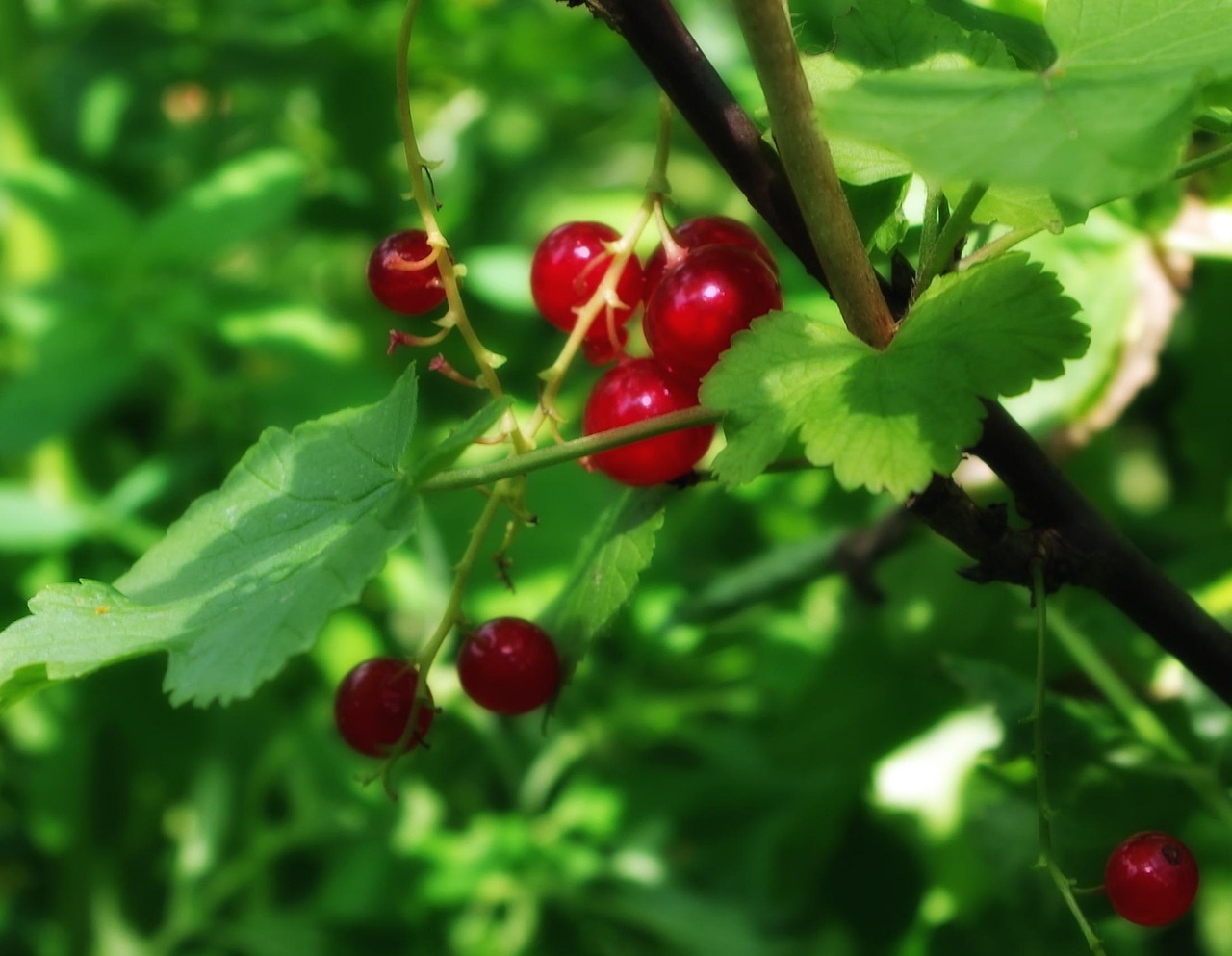
The redcurrant is a deciduous shrub that typically grows up to 1.5–2 metres in height. It has lobed leaves and small greenish-yellow flowers arranged in hanging clusters. In summer, it produces bright red berries with a pleasantly tart flavour, rich in vitamin C and widely used in jams, juices, desserts, and other culinary preparations. It thrives in cool, moist environments and is commonly found along woodland edges and in mountain meadows of the Lessinia Mountains.
Hairy alpenrose (Rhododendron hirsutum)
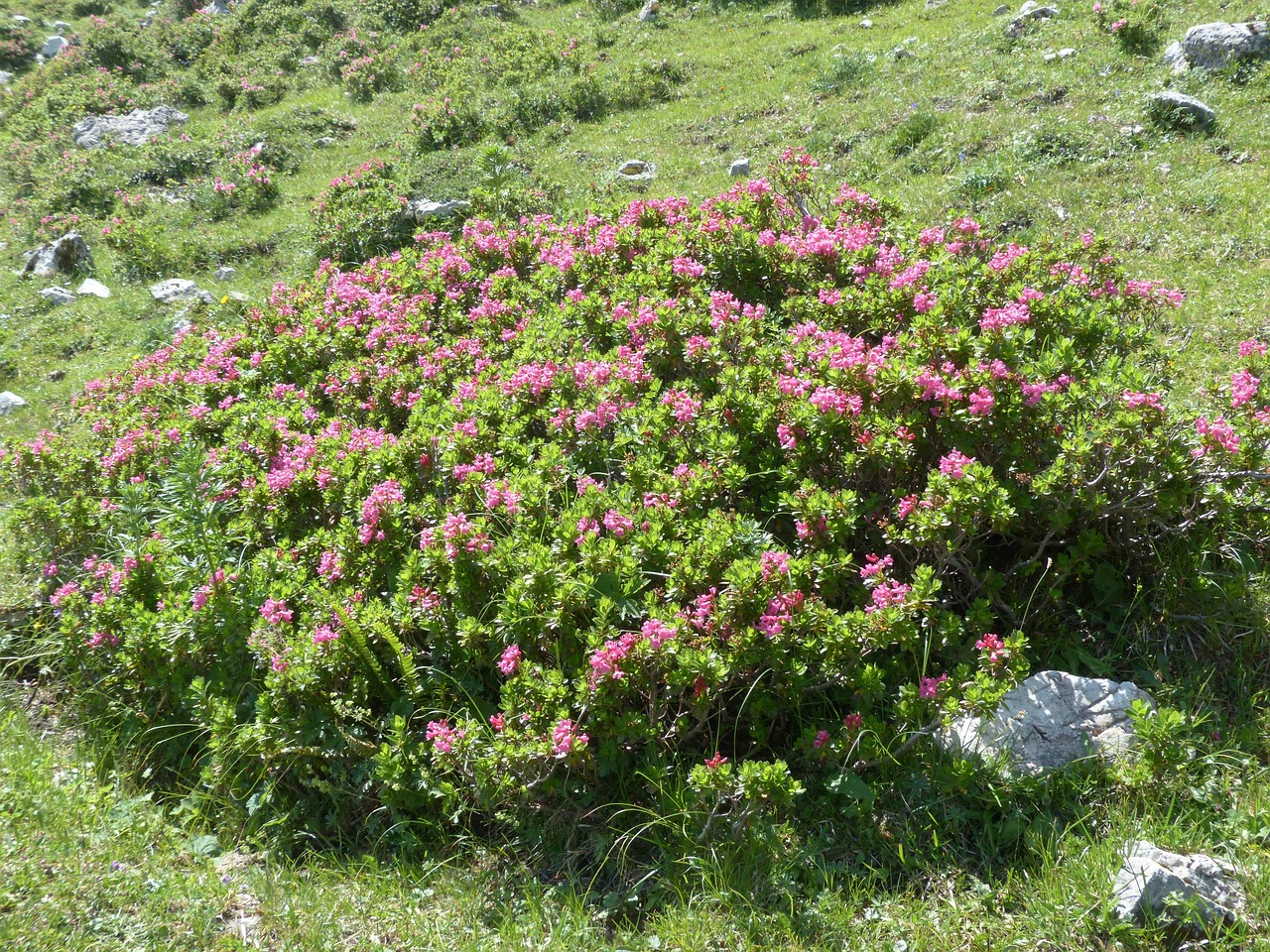
The hairy alpenrose is an evergreen shrub typical of high-altitude environments, usually growing up to 1–1.5 metres in height. It has oval leaves with distinctive ciliate margins and, in summer, produces clusters of bright pink flowers that create spectacular displays across the pastures and rocky slopes of the Lessinia Mountains. Adapted to calcareous, stony soils, it is one of the most characteristic and striking flowering plants of the mountains around Verona.
Dog rose (Rosa canina)
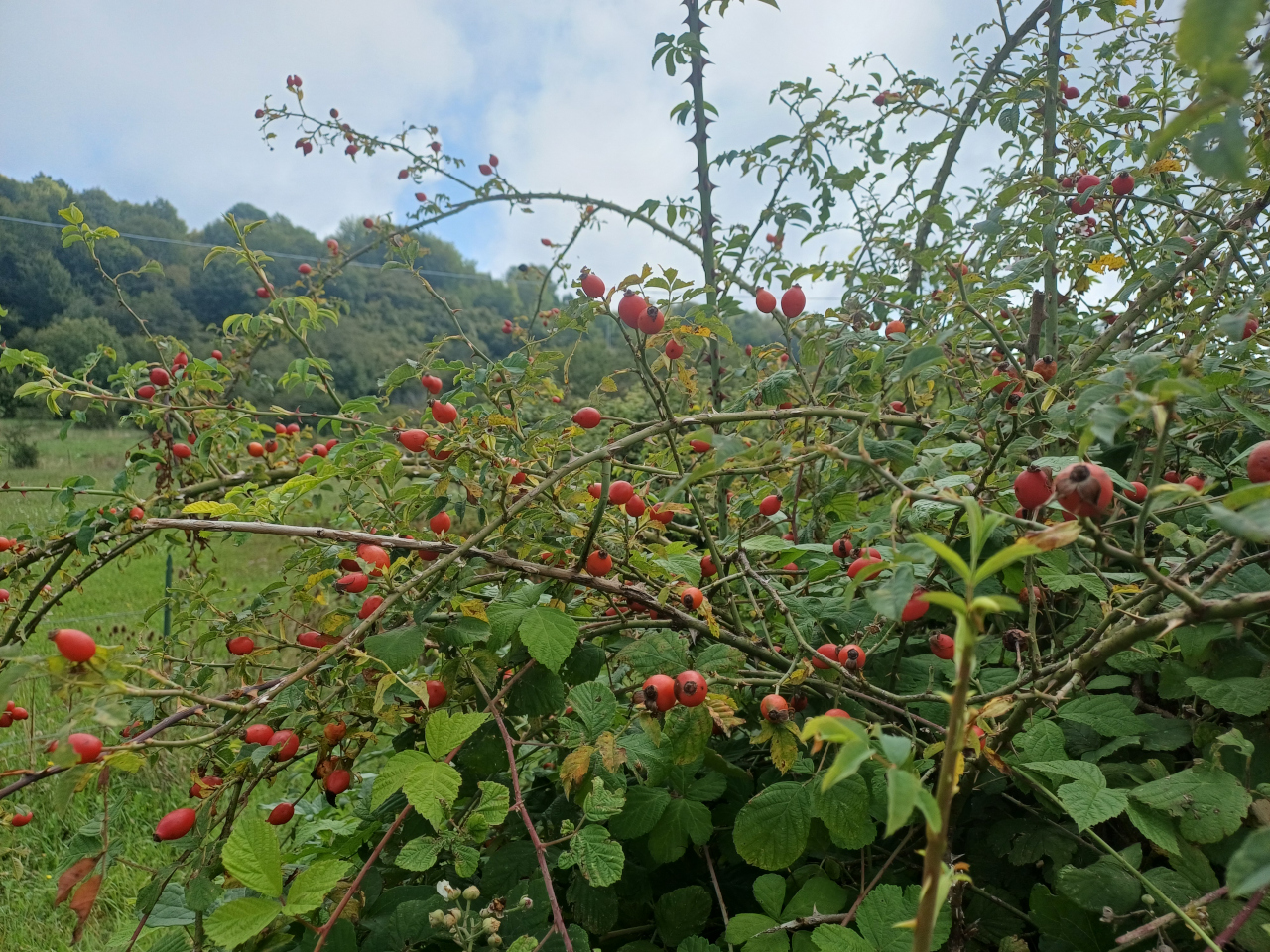
The dog rose is a thorny shrub that can grow up to 2–3 metres in height, with arching branches and compound leaves. In late spring, it produces simple pink or white flowers, followed in autumn by bright red rose hips, which are rich in vitamin C and have traditionally been used to prepare herbal infusions, syrups, and jams. It is widespread along woodland edges, in grasslands, and within hedgerows throughout Valpolicella and the Lessinia Mountains, where it provides an important source of food and shelter for wildlife.
Elmleaf blackberry (Rubus ulmifolius)
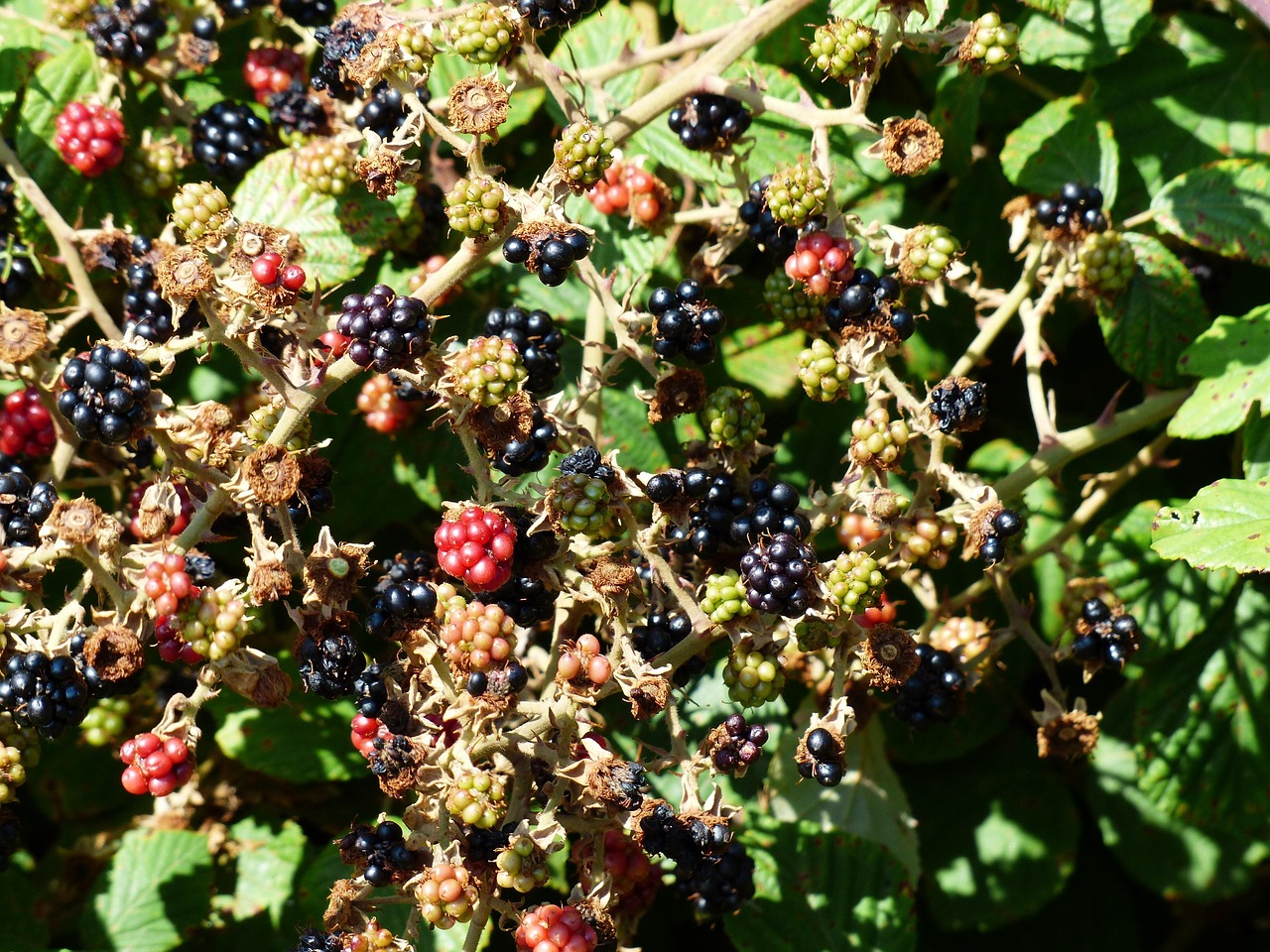
The elmleaf blackberry is a thorny, scrambling shrub that forms dense, often impenetrable thickets and can reach 2–3 metres in height. In summer, it produces white to pale pink flowers, followed by juicy blackberries that are highly valued by both people and wildlife. It grows naturally on abandoned land, along woodland edges, and in hedgerows throughout Valpolicella and the Lessinia Mountains, where its dense growth provides shelter and nesting sites for numerous birds and small mammals.
Elder (Sambucus nigra)
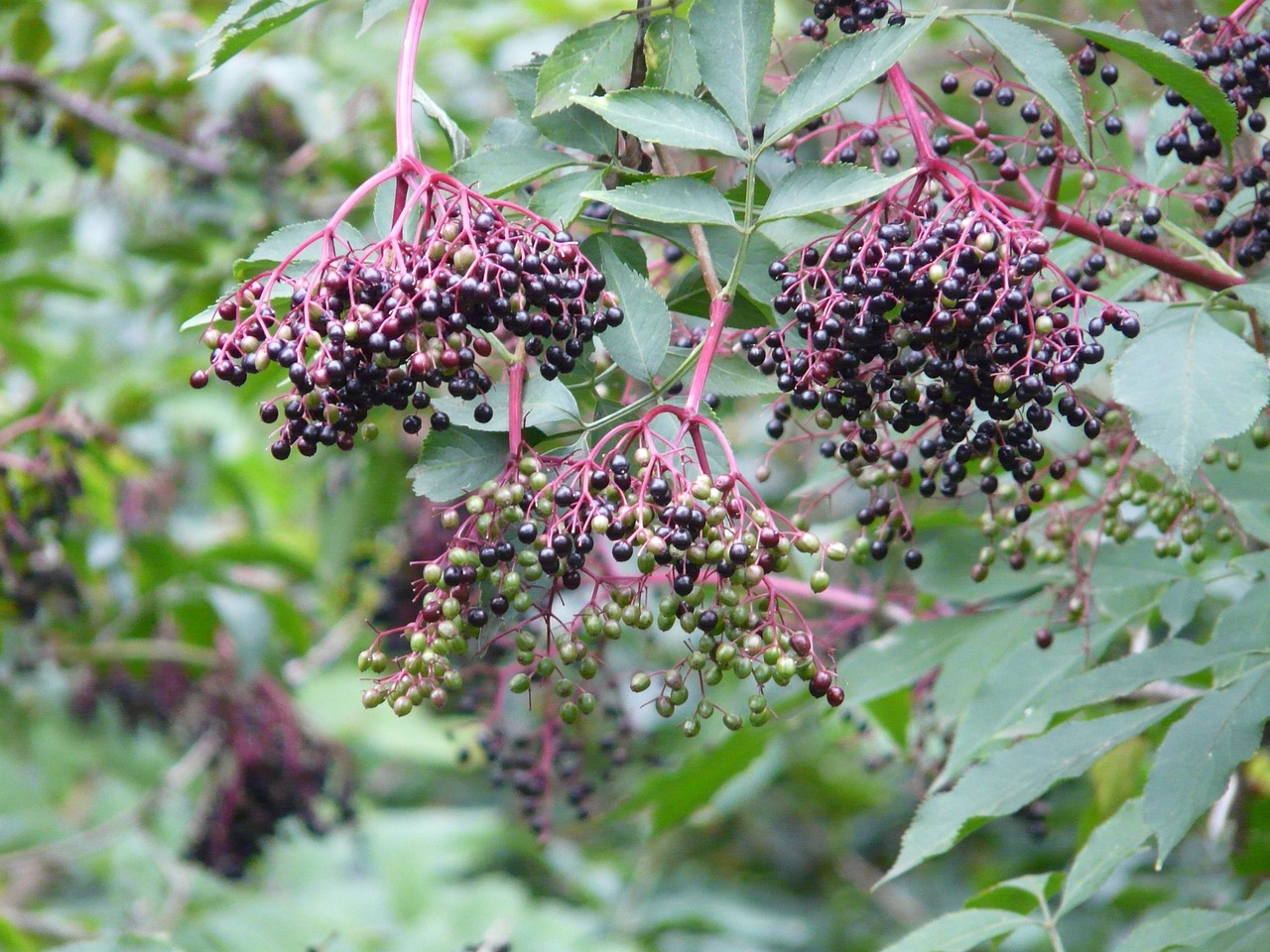
The elder is a shrub or small tree that can reach 5–6 metres in height, with compound, serrated leaves and a broad, spreading crown. In late spring, it produces large clusters of fragrant white flowers that have traditionally been used to make syrups, cordials, and desserts. These are followed in summer by glossy black berries, which are widely used in jams, preserves, and liqueurs. The species thrives in fresh, nutrient-rich soils and is commonly found along watercourses, in hedgerows, and at woodland edges throughout Valpolicella and the Lessinia Mountains.
Red elder (Sambucus racemosa)
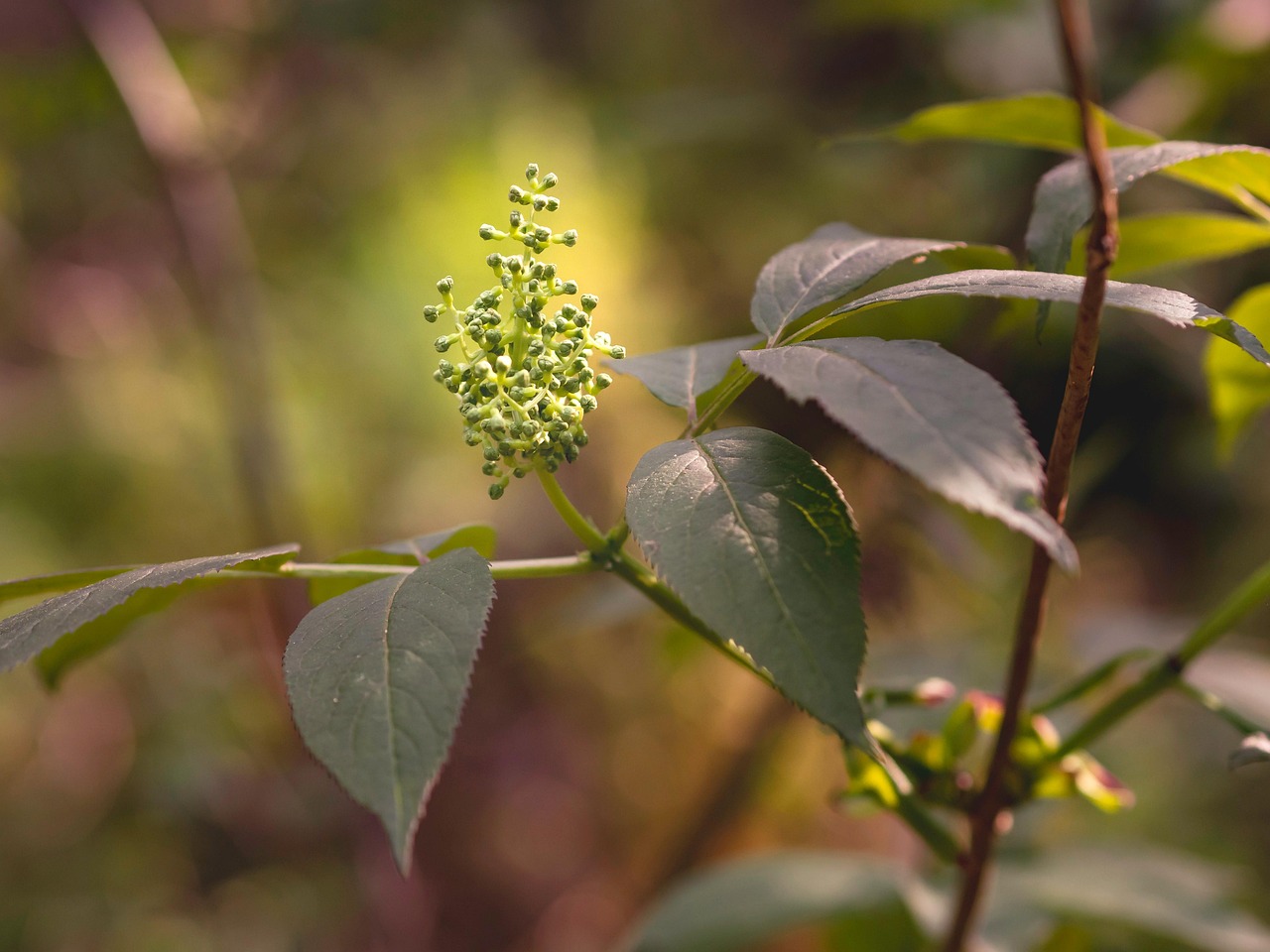
The red elder is a shrub or small tree that typically grows up to 3–4 metres in height. Similar in appearance to the common elder, it is distinguished by its dense clusters of bright red fruits. In spring, it produces creamy yellow-white flower clusters, followed by berries that ripen in early summer. It grows in cool woodlands, forest clearings, and mountain habitats throughout the Lessinia Mountains. Unlike the berries of the common elder, its fruits are not edible when raw and should not be consumed without proper preparation.
Common dogwood (Cornus sanguinea)

The common dogwood is a shrub that can reach 3–4 metres in height, with oval leaves and spectacular bright red autumn foliage. In spring, it produces small clusters of white flowers, followed by dark berries that are poisonous to humans but provide food for a variety of wildlife. It is commonly found along woodland edges, in hedgerows, and on sunny slopes throughout Valpolicella and the Lessinia Mountains, where its vivid seasonal colours add character to the landscape along the trail.
Smoke tree (Cotinus coggygria)
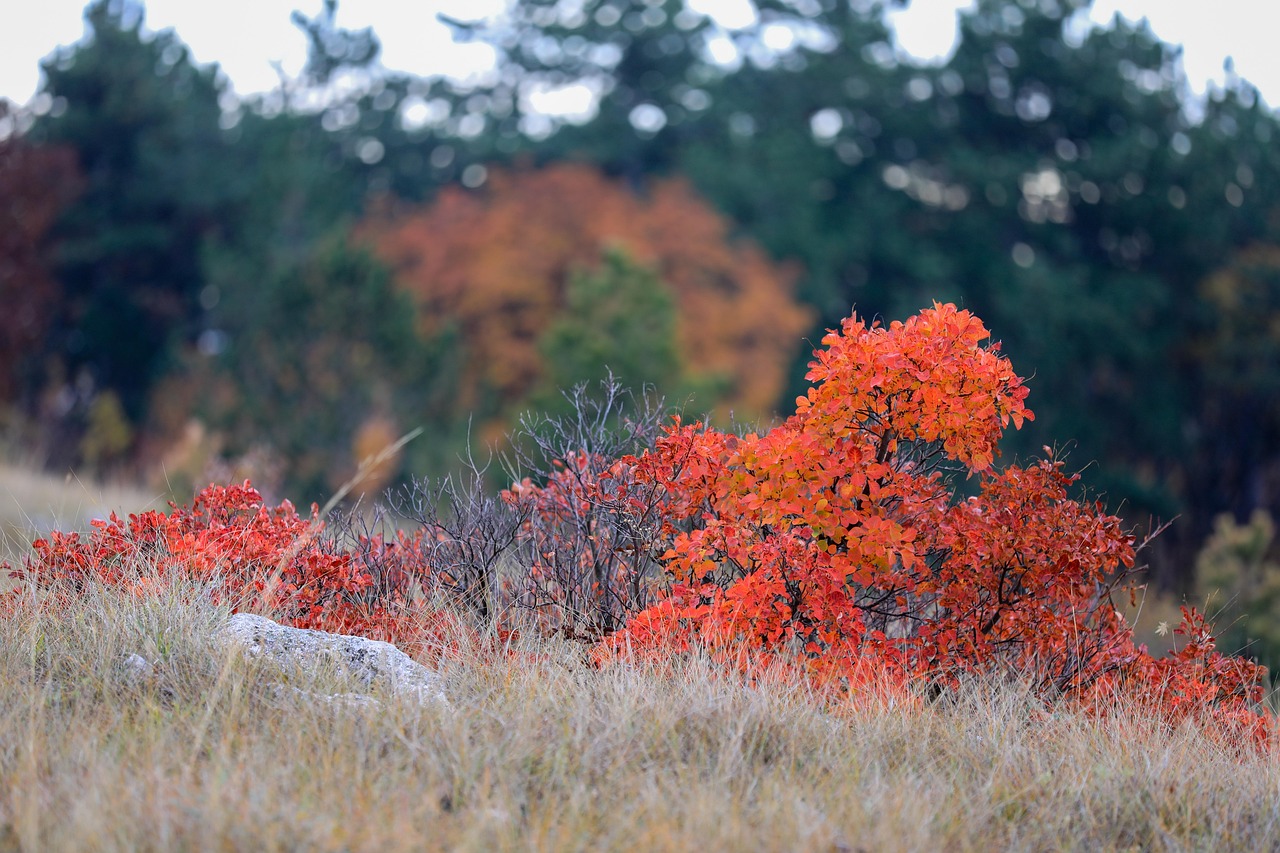
The smoke tree is a shrub or small tree that can grow up to 5 metres in height, with rounded leaves that turn spectacular shades of red, orange, and purple in autumn. In late spring, it produces large panicles of small yellowish-green flowers that develop into the distinctive smoky, feathery plumes from which the tree takes its common name. It thrives on dry, calcareous soils and is frequently found on the rocky, sun-exposed slopes of Valpolicella, where it is one of the most striking plants in the landscape.