

The trees
Trees are among the most faithful companions of those who walk. They provide shade in the hot months, mark the boundaries of fields, preserve the memory of places, and mark the seasons with their blossoms and fruits. Some are linked to farming traditions, such as apple, pear, and cherry trees; others grow wild in the woods and along the paths, such as beech, hornbeam, or juniper. Learning to recognize them means gaining a deeper understanding of the land’s history, of rural culture, and of the landscape that shapes Valpolicella and Lessinia.

Norway spruce (Picea abies)
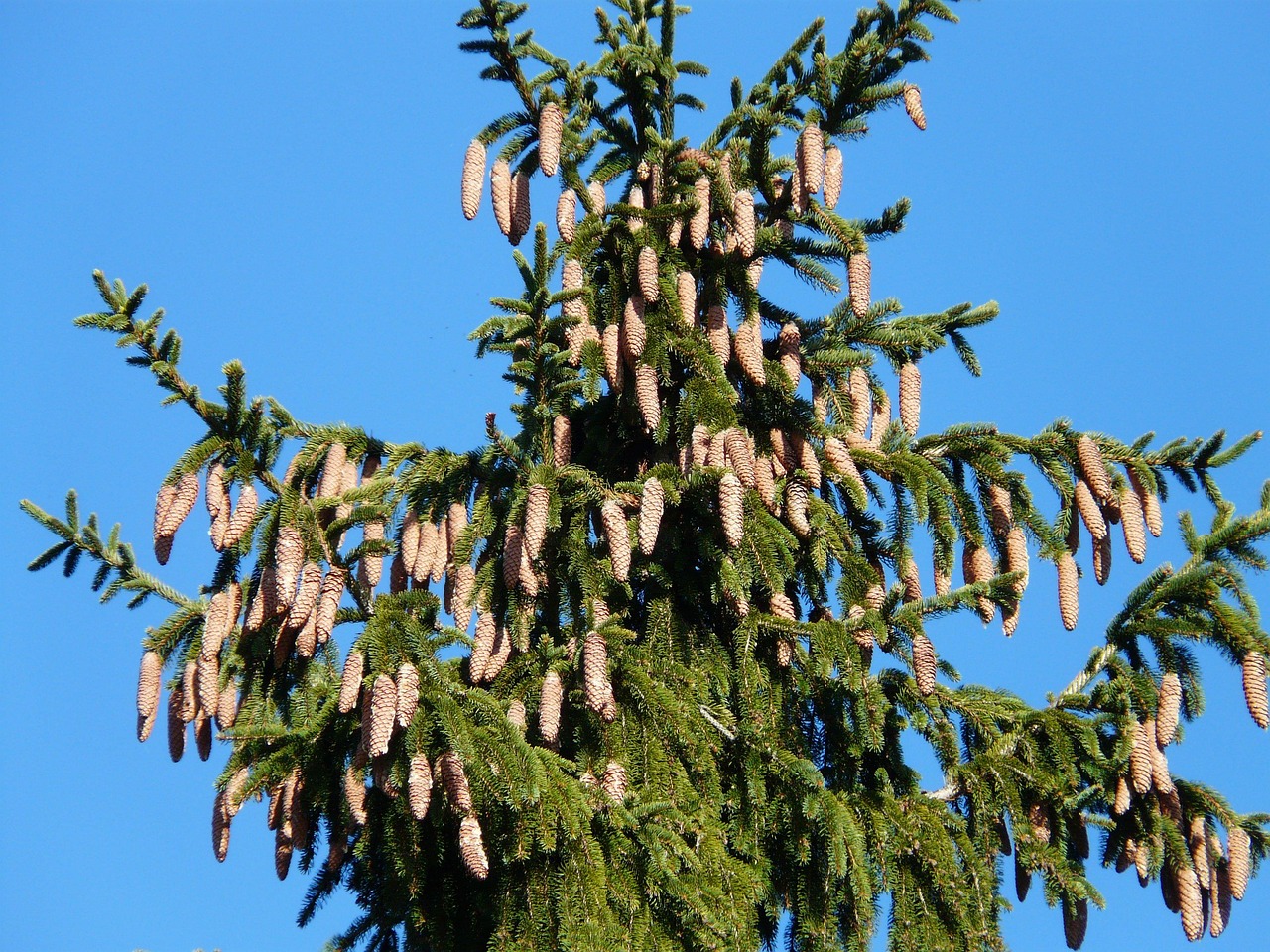
The Norway spruce, also known as European spruce, is one of the most easily recognizable conifers, with a slender crown and short, pointed needles. In the Lessinia Mountains it is found mainly in cooler, more humid areas, while in Valpolicella it occurs only sporadically. It can exceed 40 metres in height and live for several centuries, forming pure stands or mixed forests together with larches and beeches. Its hanging cones mature in autumn and release seeds that are dispersed by the wind. Its elegant silhouette is a distinctive feature of some of the mountain landscapes crossed by the trail..


Field maple (Acer campestre)
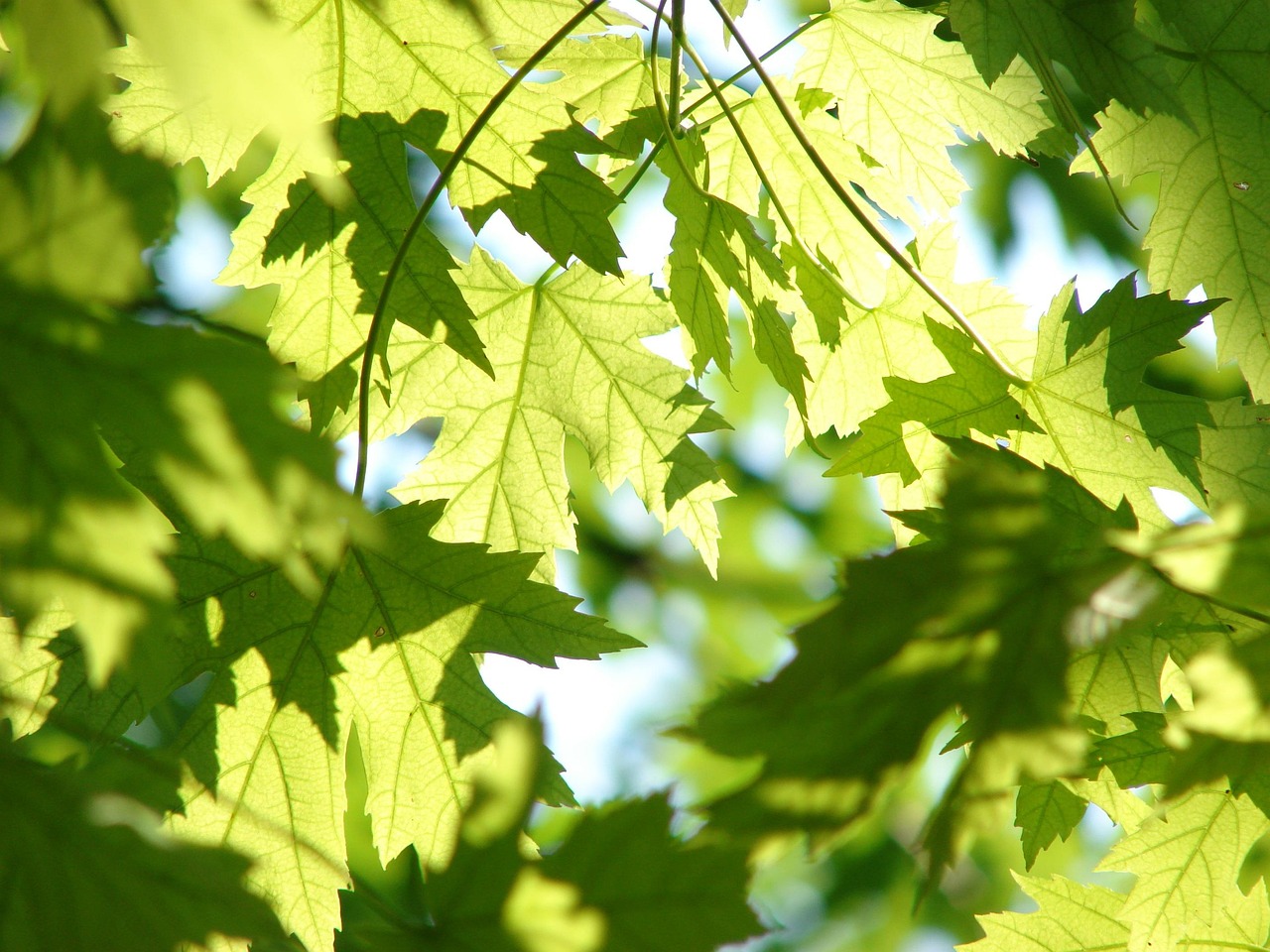
The field maple is a small to medium-sized tree, widely distributed throughout the Valpolicella countryside and along the edges of the woodlands in the Lessinia Mountains. It is easily recognized by its small leaves, with three to five rounded lobes, which turn a bright yellow in autumn. A hardy and adaptable species, it thrives in a variety of soils and is resistant to both cold and drought. In the past, it was often used as a living support for grapevines, helping to shape the traditional agricultural landscape of the region. Even today, it can frequently be seen along trails, hedgerows, and field boundaries, where it remains a subtle yet characteristic feature of the route.


Tree of heaven (Ailanthus altissima)
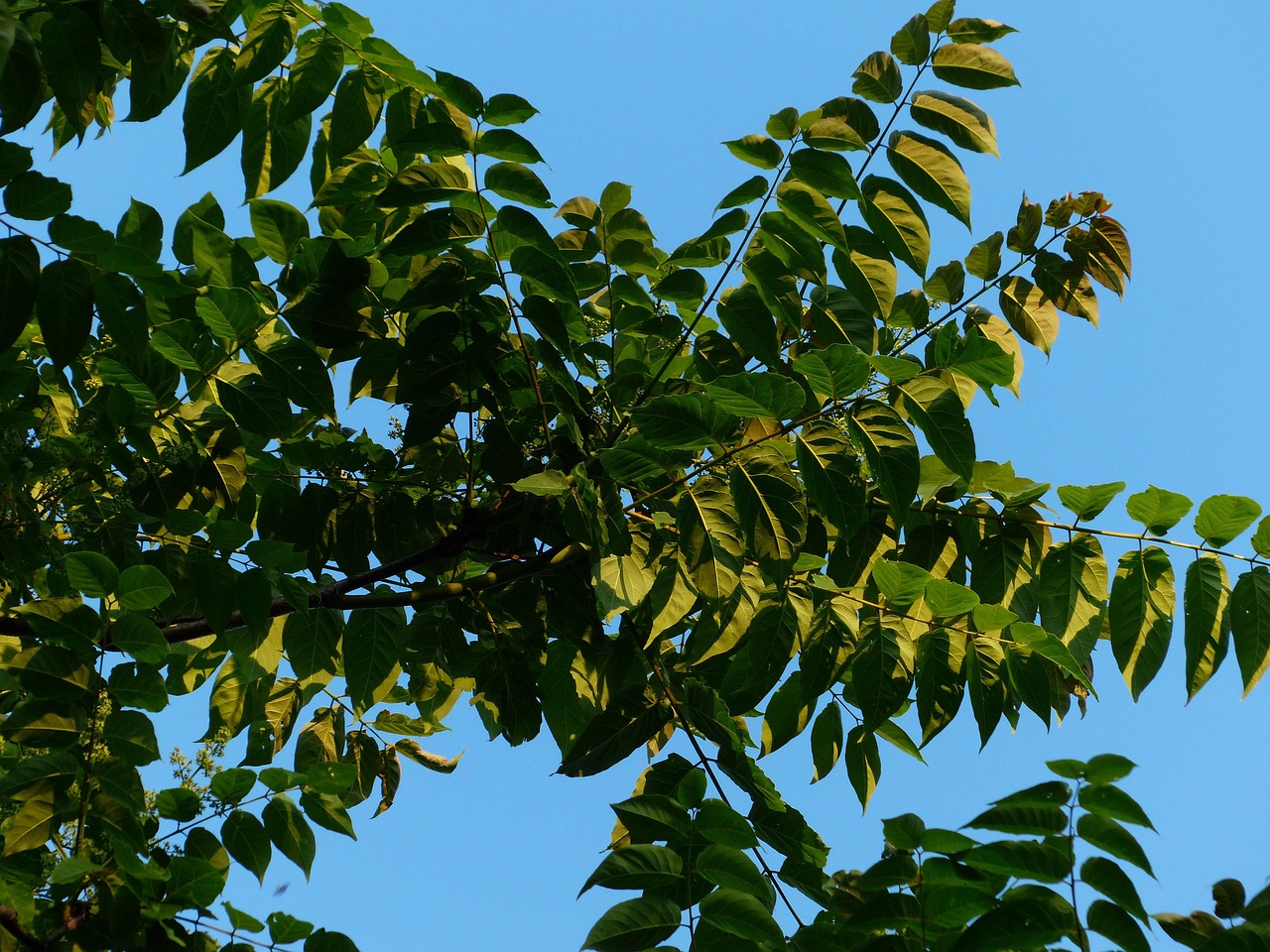
The tree of heaven is a species native to China that was introduced to Europe in the nineteenth century as an ornamental tree. Today it is also widespread in Valpolicella and in some areas of the Lessinia Mountains, where it grows naturally along roadsides, trails, and on abandoned land. It is easily recognized by its large compound leaves, which can reach up to half a metre in length, and by the strong, pungent smell they release when crushed. Highly drought-tolerant and fast-growing, it often outcompetes native vegetation and is therefore considered an invasive species. Along the trail, it is most commonly associated with human-influenced environments and disturbed areas rather than with natural woodlands
Sweet chestnut (Castanea sativa)
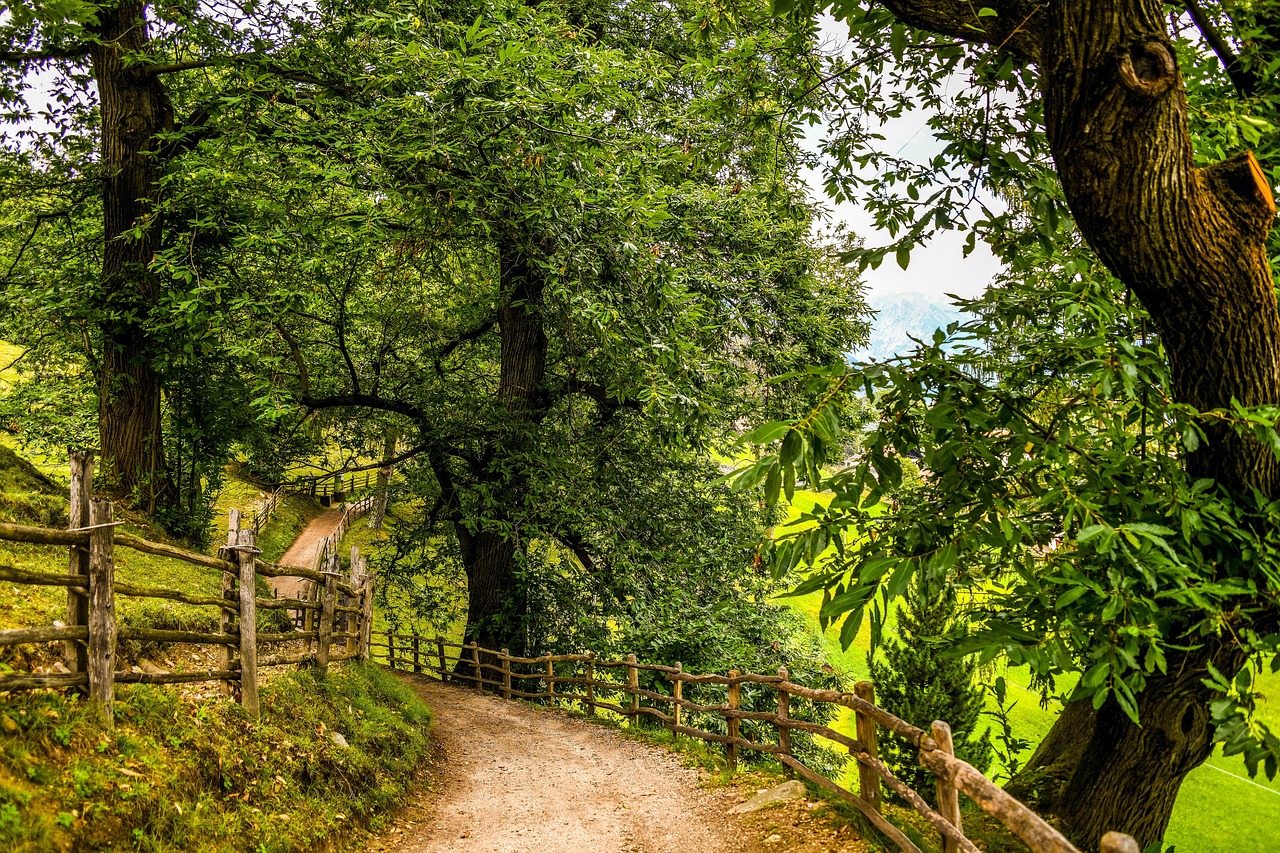
The sweet chestnut is a majestic tree that was highly valued by past generations. Chestnuts provided a small but important source of income for farming families and, during difficult times, served as a true substitute for bread. Found mainly in the hilly areas of Valpolicella, it grows between 200 and 800 metres above sea level, forming open woodlands with large serrated leaves that turn warm shades of yellow in autumn. For many years, chestnut cultivation declined and was nearly abandoned, but it has recently experienced a revival as part of efforts to promote the traditional products of the region’s hill and mountain agriculture. The marrone chestnut, considered superior to the common chestnut, is distinguished by its sweeter flavour, its easily removable inner skin, and the absence of internal partitions within the nut. Chestnut groves accompany several sections of the trail, bearing witness to the deep connection between the natural environment and the rural traditions of the area.
European hop-hornbeam (Ostrya carpinifolia)
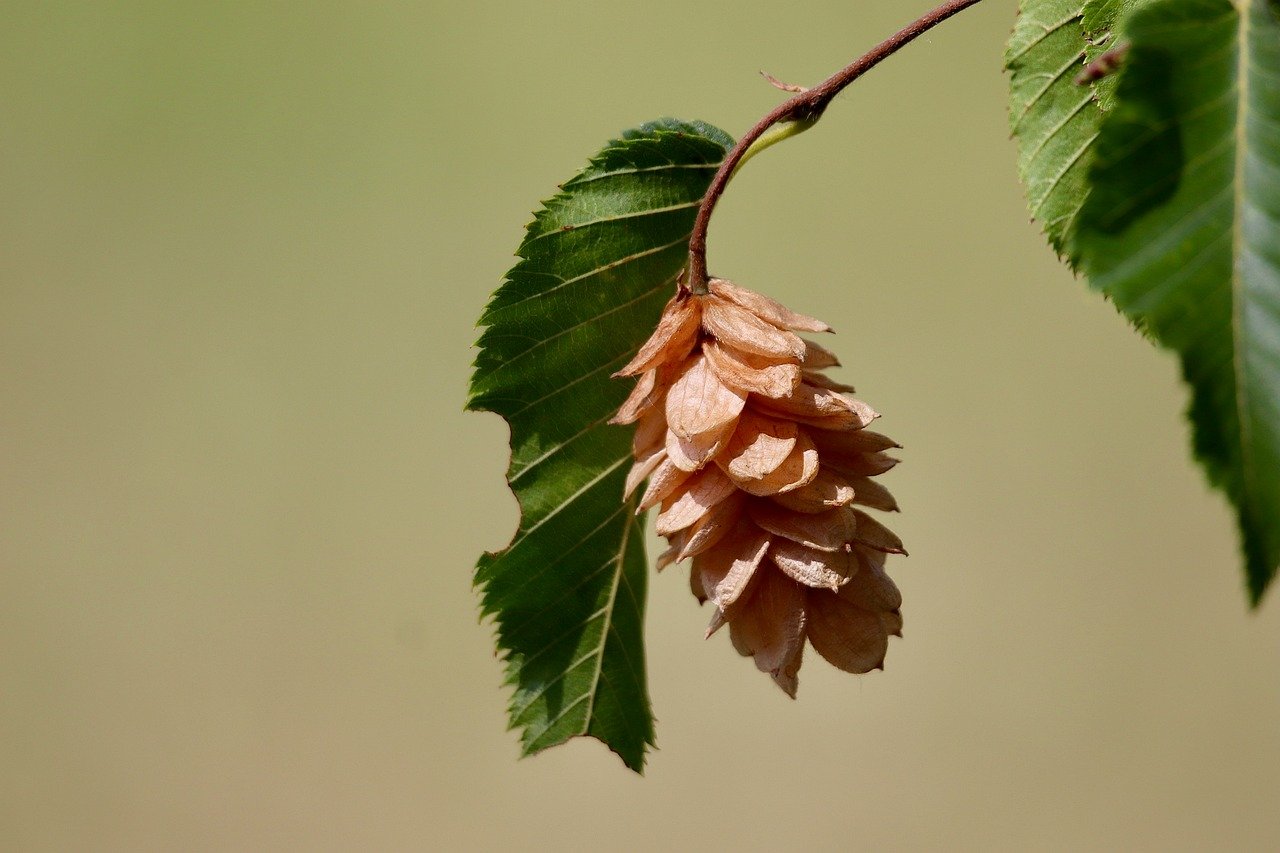
The European hop-hornbeam, locally known as càrpano, is the most widespread tree species in the coppice woodlands of the region, from the lowlands to the upper hills. It grows primarily on dry, calcareous soils, forming open woodlands on sunny slopes. Typically reaching 10–20 metres in height, it has a dense crown and a trunk with grey-brown, fissured bark. Its leaves are ovate to elliptical, with finely serrated margins; they are green throughout the summer and turn yellow-brown in autumn. The fruits, enclosed in distinctive hop-like papery bracts, together with its exceptionally hard wood, make this species easy to identify.
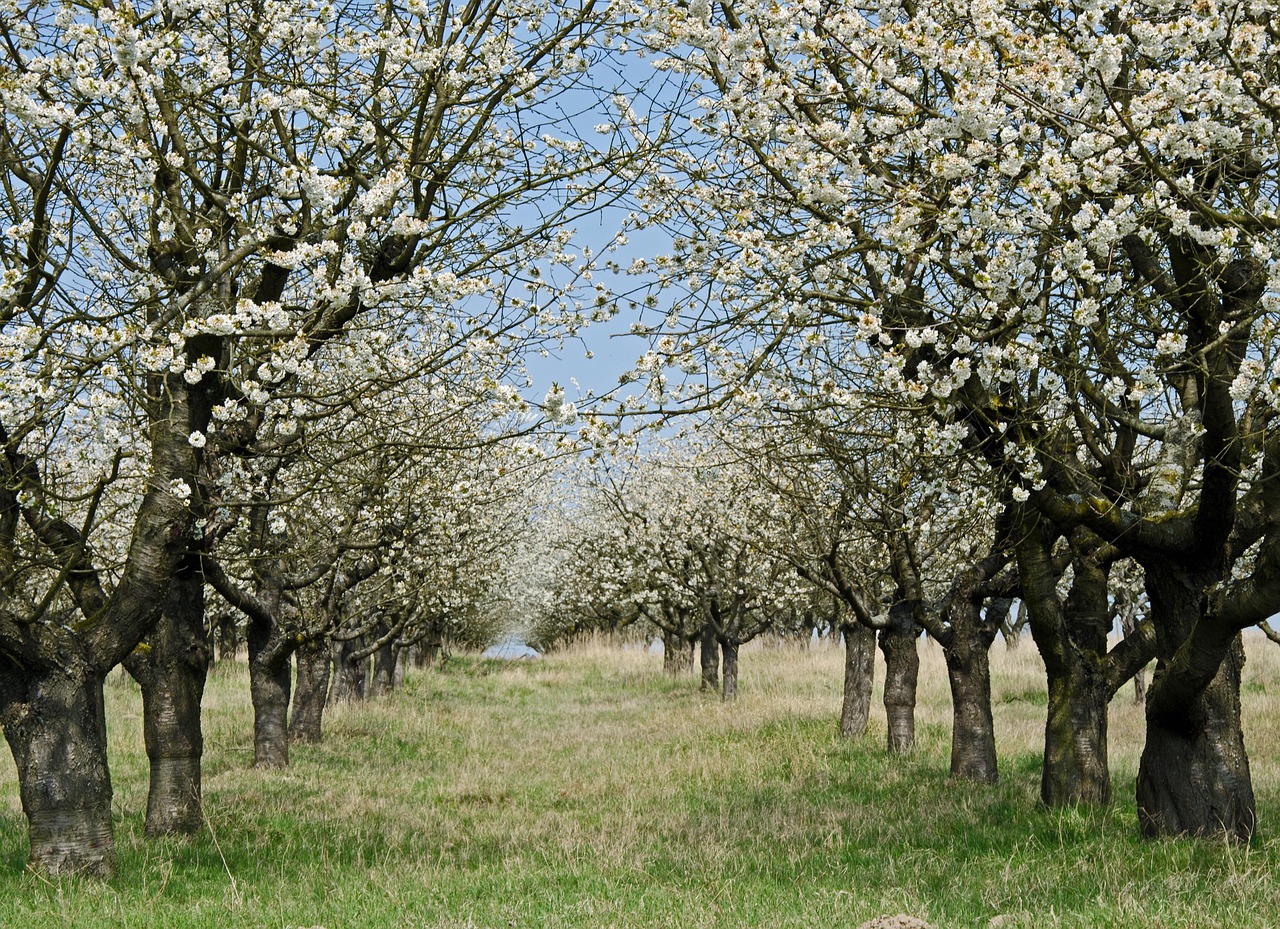
The sour cherry is widely found in the hills of Valpolicella and Lessinia, where its spectacular white blossoms brighten the landscape each spring. For many decades, cherry cultivation was an important source of income for local communities, before wine production became the dominant agricultural activity in the region. Today, however, the sector faces significant challenges. Market conditions have become increasingly difficult, and an invasive pest, the spotted-wing drosophila (Drosophila suzukii), frequently damages ripening fruit. As a result, many cherry orchards have been abandoned or removed. Despite this decline, the trees’ abundant spring flowering remains one of the most beautiful and distinctive features of the landscape along the trail.
Italian cypress (Cupressus sempervirens)
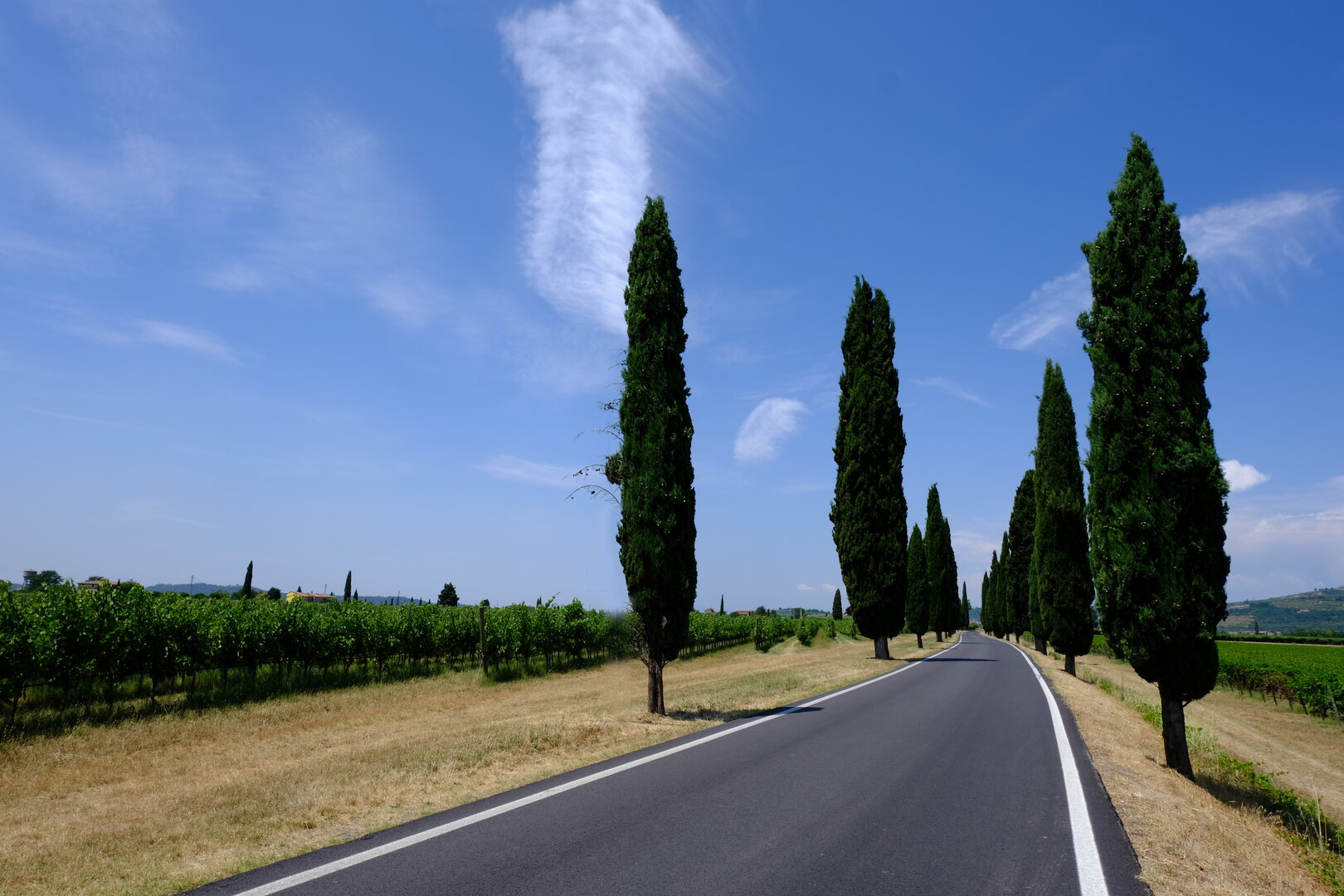
The Italian cypress is widely planted as an ornamental and symbolic tree throughout the region. It is easily recognized by its tall, slender form and its narrow, dark-green crown, which make it a distinctive feature of cemeteries, villas, and hilly landscapes. An evergreen species, it can live for many centuries and grow to heights exceeding 20 metres. Along the trail, it is most often encountered near churches, hamlets, and rural homes, reflecting human presence and cultural heritage rather than natural vegetation. With its elegant silhouette, the Italian cypress serves as a prominent landmark, often visible from great distances.
European beech (Fagus sylvatica)

The European beech is considered the emblematic tree of the Lessinia Mountains and once likely covered much of the plateau. Today, beech forests are found mainly on cooler, less sun-exposed slopes, including those that gave their name to Faedo, the ancient place name of Sant’Anna. These woodlands are characterized by large trees with smooth, pale-grey trunks and broad canopies. In autumn, their foliage turns shades of yellow and brown, making the species particularly striking and easy to recognize. A few specimens can also be found at lower elevations in cool, sheltered valleys, whereas the beech is relatively uncommon in Valpolicella. In the past, every part of the tree was put to use. Its timber was valued for construction and firewood, the leaves were collected as bedding for livestock, and the beechnuts—the tree’s fruits—were used as animal feed.
Common fig (Ficus carica)
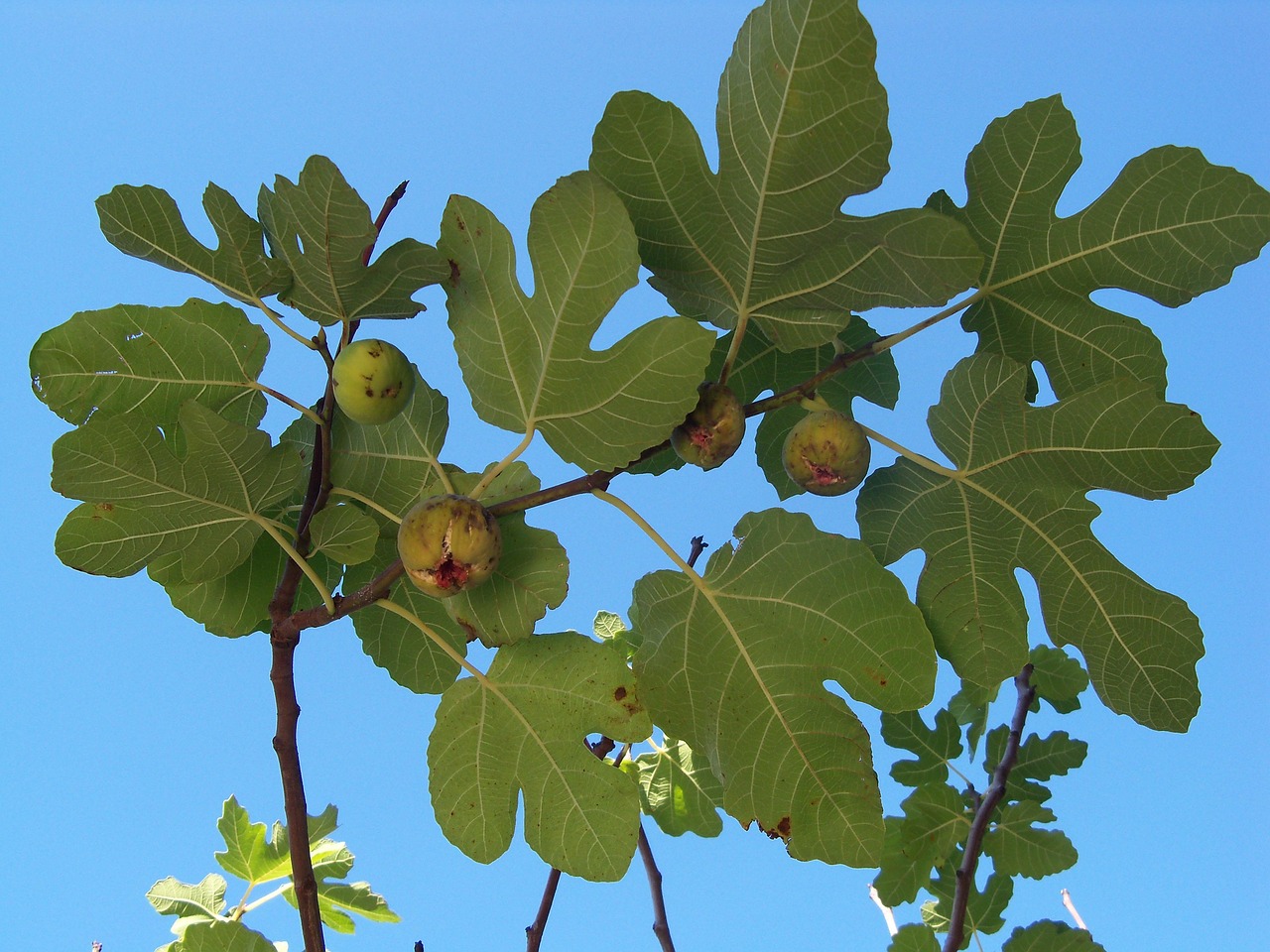
The common fig is a characteristic tree of the warm, sunny hillsides of Valpolicella, where it is often found near houses, rural courtyards, and dry-stone walls. It is easily recognized by its large, deeply lobed leaves and its fleshy fruits, which ripen in summer and early autumn and have long been valued by local communities. The fig does not form woodlands; instead, it grows as isolated trees or in small groups, thriving on poor, stony soils. It is less common in the Lessinia Mountains, although it can occasionally be found on sheltered, south-facing slopes with favourable exposure. Its presence along the trail is a reminder of the agricultural traditions that have shaped the landscape of Valpolicella for centuries.
Manna ash (Fraxinus ornus)
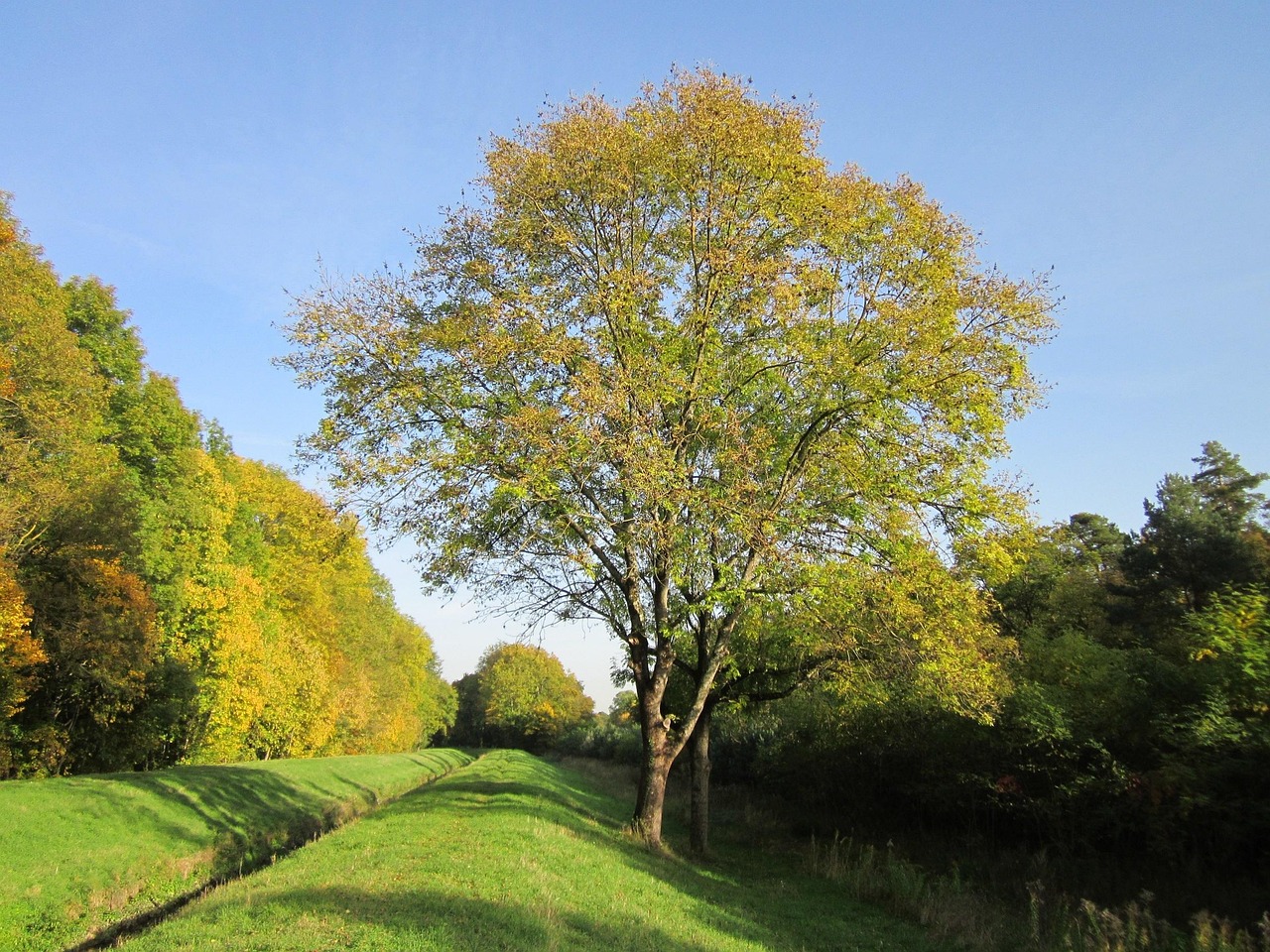
The manna ash is an elegant deciduous tree, widely distributed across both the hills of Valpolicella and the woodlands of the Lessinia Mountains. It is easily recognized by its compound leaves, made up of several lance-shaped leaflets, and by its winged seeds, known as samaras, which often remain on the branches long after they have matured. This species prefers fresh, deep soils but is also well adapted to stony, sun-exposed environments. In autumn, its foliage turns a soft yellow, adding bright contrasts to the landscape. Along the trail, the manna ash can be found in mixed woodlands or growing individually along field margins, where it remains an important component of the region’s traditional vegetation.
White mulberry (Morus alba)
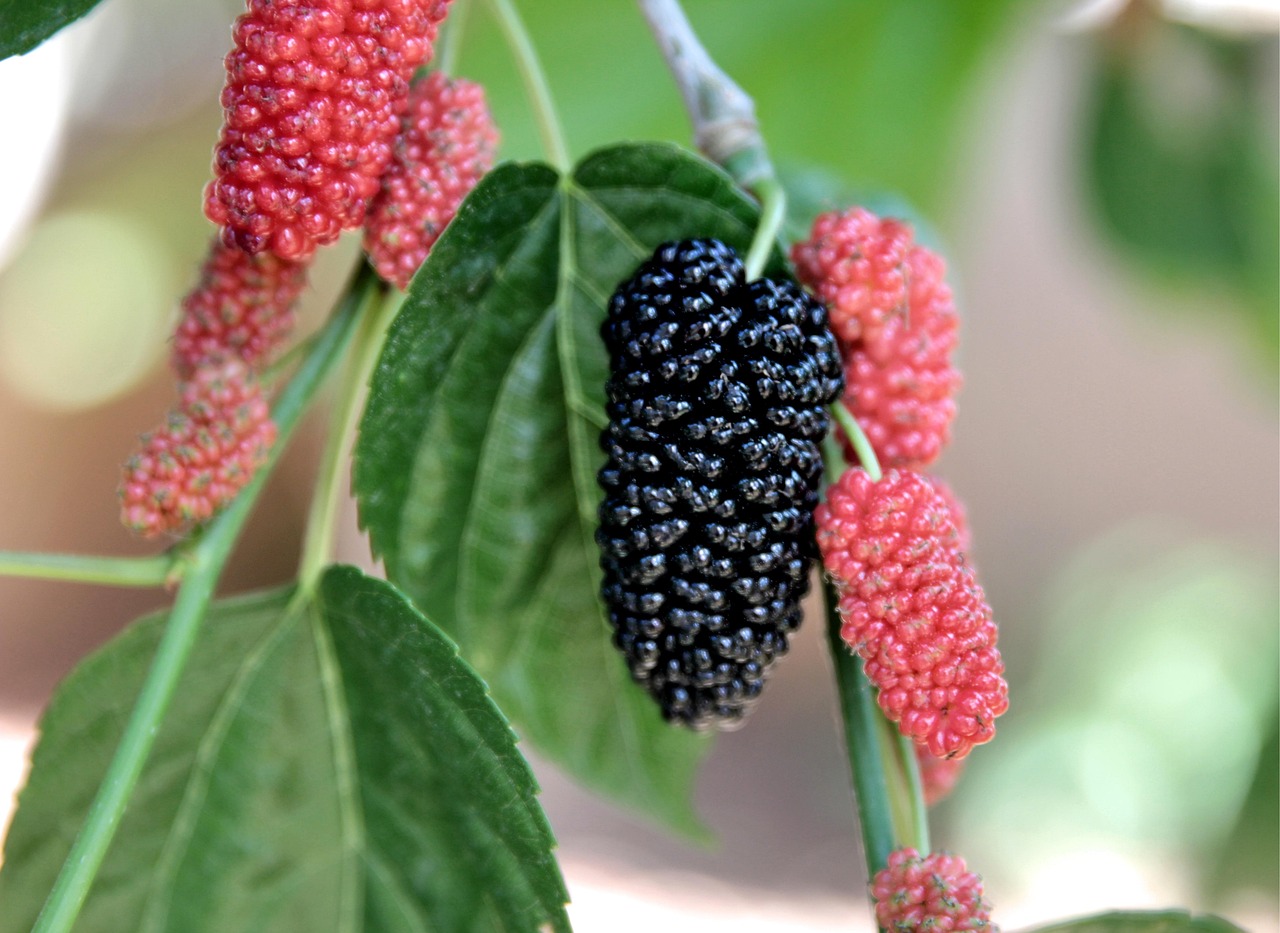
The white mulberry was introduced to Italy, as well as to much of Europe, between the sixteenth and seventeenth centuries along with the silkworm. Its cultivation spread widely as sericulture became a common activity among rural families. In many households, the kitchen served as the centre of silk production: trays were used to hatch the silkworm eggs, which were traditionally purchased at local weekly markets and carefully kept at the right temperature, often in a small pouch worn around a woman’s neck. Once hatched, the caterpillars fed voraciously on mulberry leaves. Their appetite was so great that local supplies were not always sufficient, and additional leaves often had to be purchased from farms in the plains. When the silkworms reached maturity, small branches—locally known as el bosco (“the woodland”)—were placed on the trays, allowing them to climb up and spin their cocoons.
The cocoons were then boiled and sold, providing many farming families with one of their first and most important sources of cash income. Today, the white mulberry remains a living reminder of the long tradition of silk production that once played a significant role in the rural economy of the region.
European larch (Larix decidua)
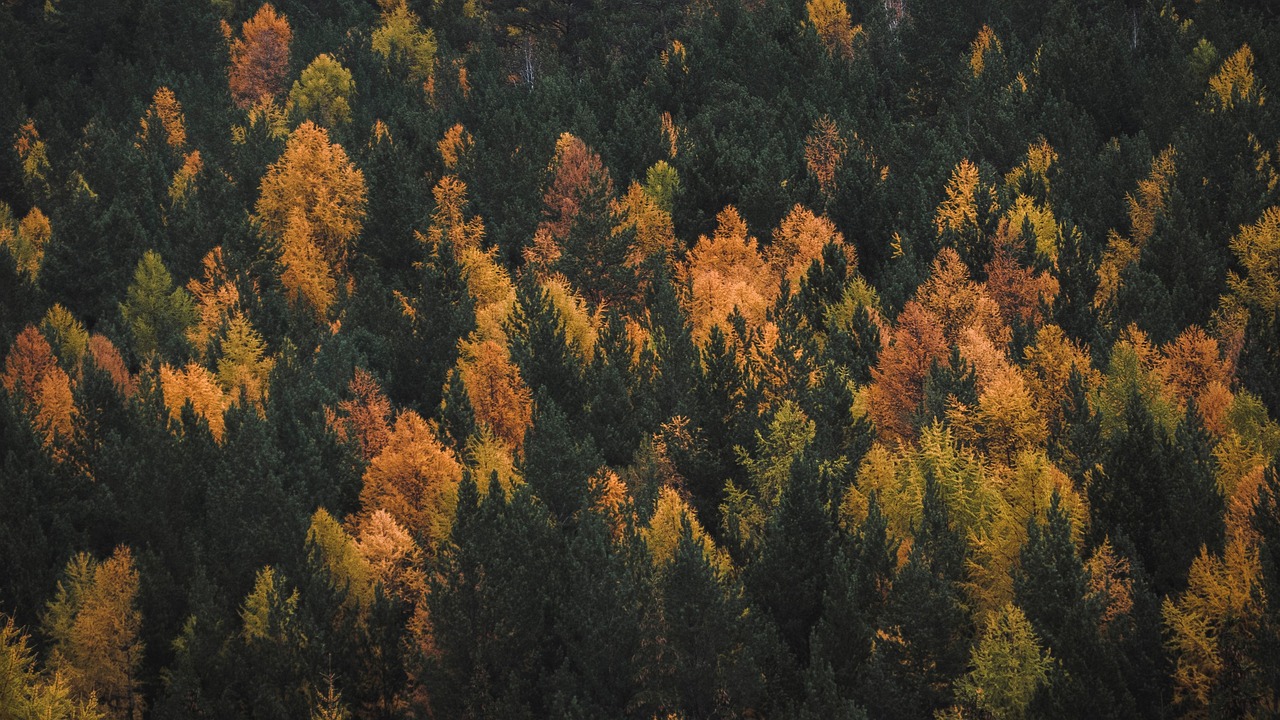
The European larch is the only conifer in the region that sheds its needles in winter, an adaptation that helps it withstand the harsh conditions of high-altitude environments. In spring, it produces fresh, light-green foliage; in summer, it provides delicate, filtered shade; in autumn, its needles turn brilliant shades of golden yellow before falling, leaving the tree bare throughout the winter. The larch can exceed 40 metres in height and live for several centuries. It grows mainly above 1,000 metres in elevation, where it often forms open woodlands or mixes with other mountain tree species. With its ever-changing appearance, the European larch vividly marks the passing of the seasons and is one of the most distinctive trees encountered along the trail.
Common laburnum (Laburnum anagyroides)
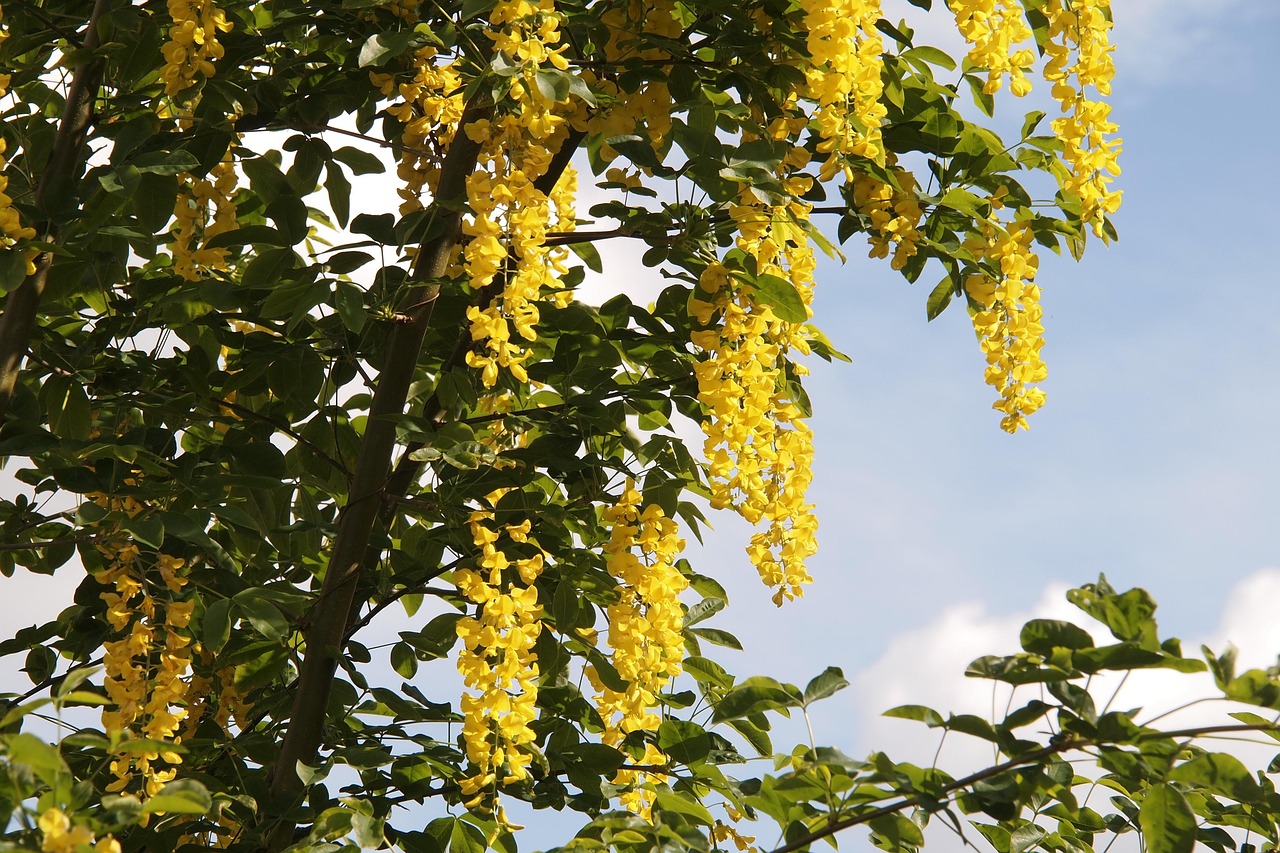
The common laburnum is a small tree that typically reaches 5–6 metres in height. It is best known for its long, pendulous clusters of golden-yellow flowers, which bloom in May and create one of the most spectacular displays of the spring season. Its leaves are trifoliate, consisting of three leaflets, while its fruits are elongated pods containing highly poisonous seeds. The species thrives on sunny, rocky slopes and is common in the Lessinia Mountains, where its vivid yellow blossoms brighten clearings and hillsides in late spring. All parts of the plant are toxic, particularly the seeds, which contain alkaloids that can be dangerous if ingested. Despite its toxicity, the common laburnum is valued for its ornamental beauty and is a distinctive feature of the spring landscape along the trail.
Almond tree (Prunus dulcis)
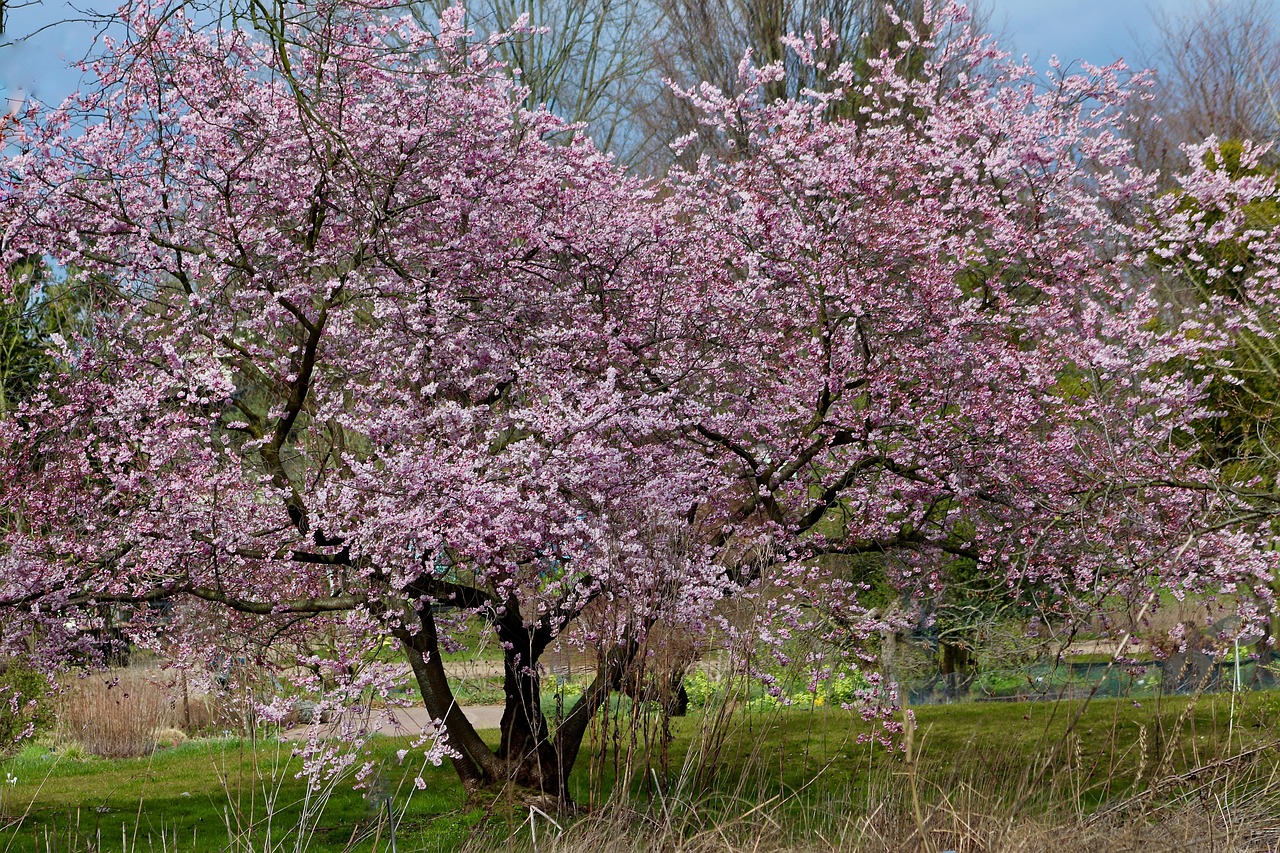
The almond tree is a species typical of mild, sunny climates and is found mainly in the warmest hilly areas of Valpolicella. It is especially easy to recognize in spring, when it becomes covered with white or pale pink blossoms, often among the first flowers to bloom and a welcome sign of the arrival of the new season. Its fruits ripen during the summer and contain the edible seeds known as almonds, which have long been valued in local cuisine and confectionery. The almond tree does not form natural woodlands; instead, it grows as isolated specimens or in small groups near houses, vineyards, and cultivated fields. Along the trail, it is most commonly encountered on south-facing slopes, where the warm, sunny conditions favour its growth and flowering.
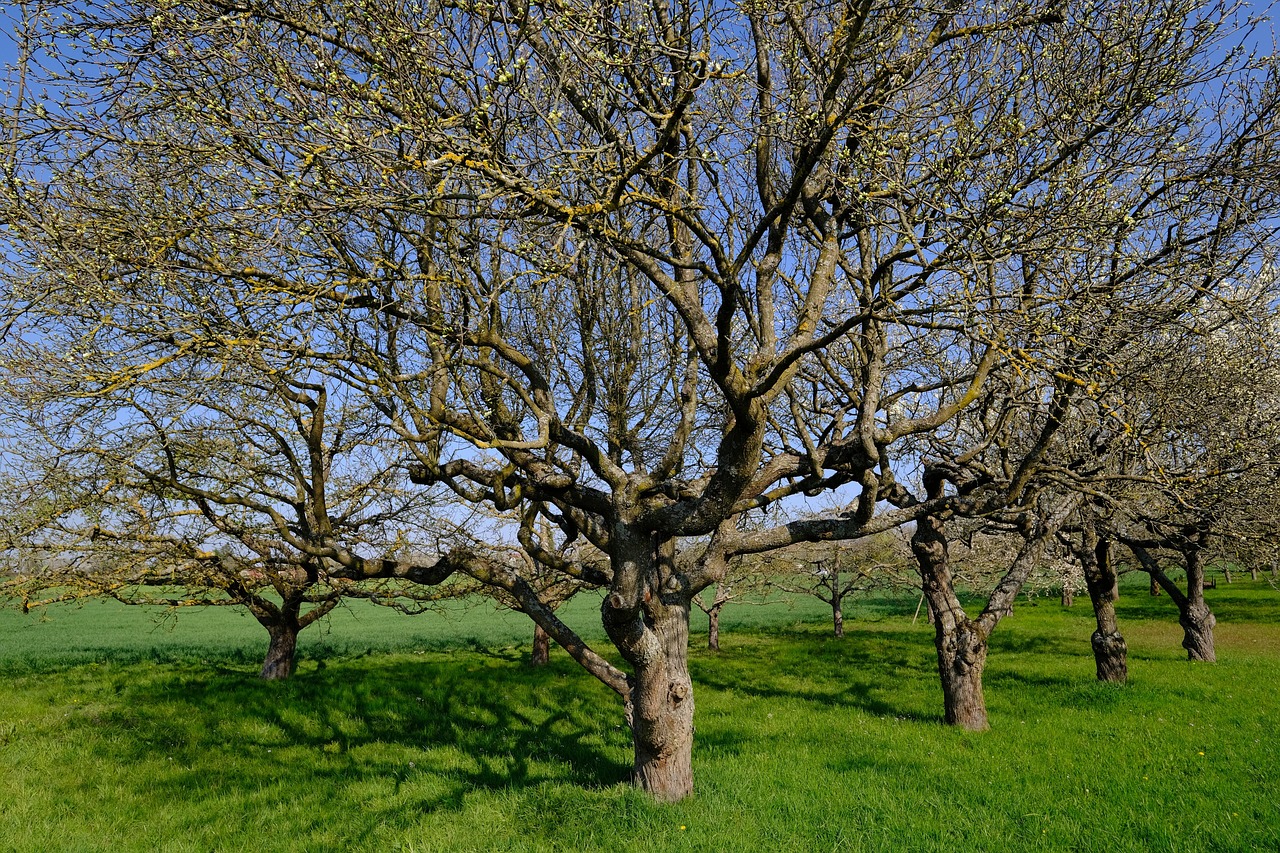
The apple tree is one of the most widely cultivated fruit trees and is commonly found in both Valpolicella and the Lessinia Mountains, particularly near rural homes, kitchen gardens, and traditional orchards. It is easily recognized by its spring blossom, when white or pale pink flowers herald the arrival of the growing season, and by its fruits, which ripen in summer and autumn in a remarkable variety of shapes, sizes, and colours. The apple tree does not occur naturally in woodlands but grows as individual trees or in small groups closely associated with agricultural activity. In Lessinia, the wild apple (Malus sylvestris) can also be found, particularly in mixed woodlands, where it bears smaller, more acidic fruits than its cultivated relative. Along the trail, the apple tree serves as a reminder of the region’s rural heritage and of the important role that family orchards have long played in local life.
Medlar (Mespilus germanica)
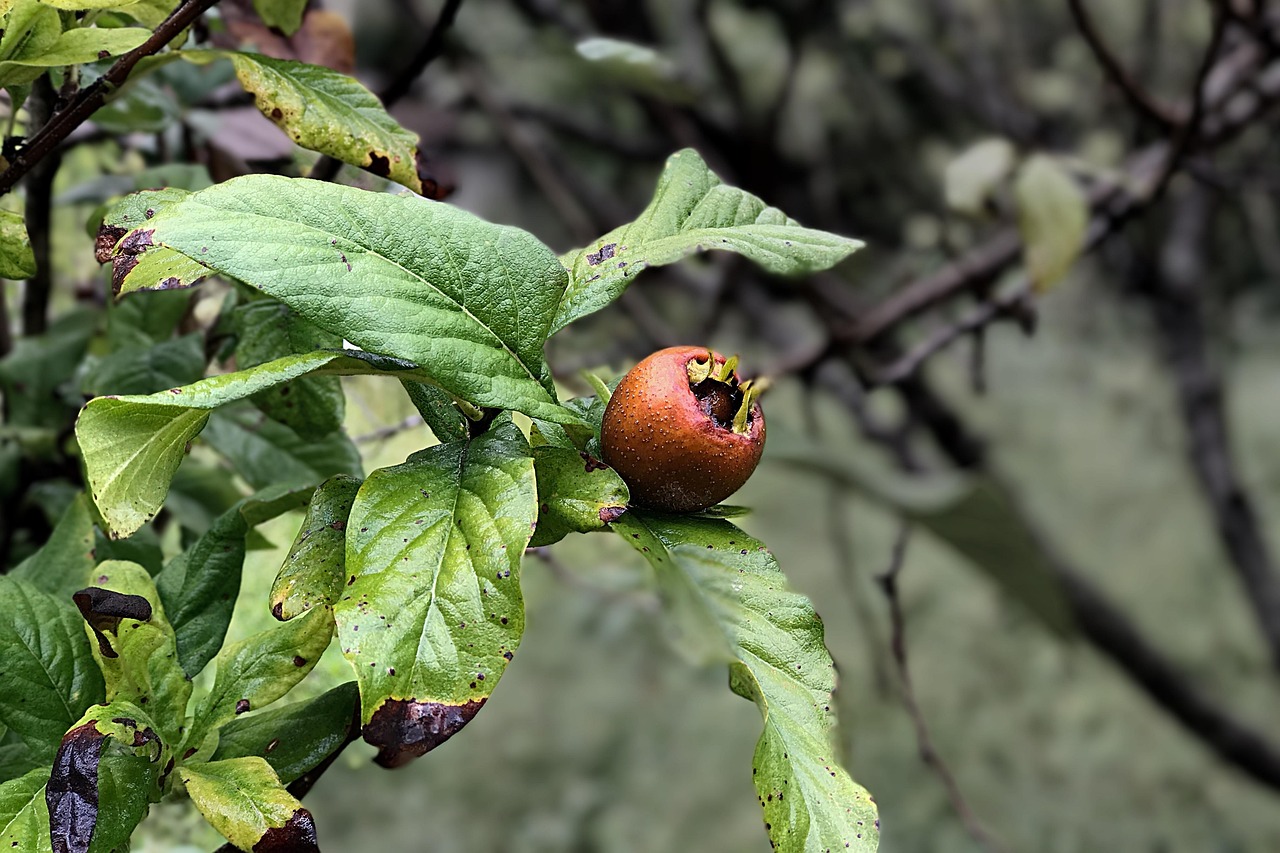
The medlar is a small fruit tree that has been cultivated in the countryside of Valpolicella since ancient times, although it is far less common today. It is recognized by its large, oval leaves and by its brown fruits, known as medlars, which ripen in autumn and become edible only after bletting—a natural process during which the fruit softens following exposure to cold weather. The medlar does not form natural woodlands but grows as an isolated tree near rural homes, kitchen gardens, and old orchards. In the Lessinia Mountains it is less common, though it can occasionally be found in villages and valley bottoms. Along the trail, the medlar recalls the region’s agricultural heritage and the importance of the traditional fruits that once played a valuable role in rural diets.
Persian walnut (Juglans regia)
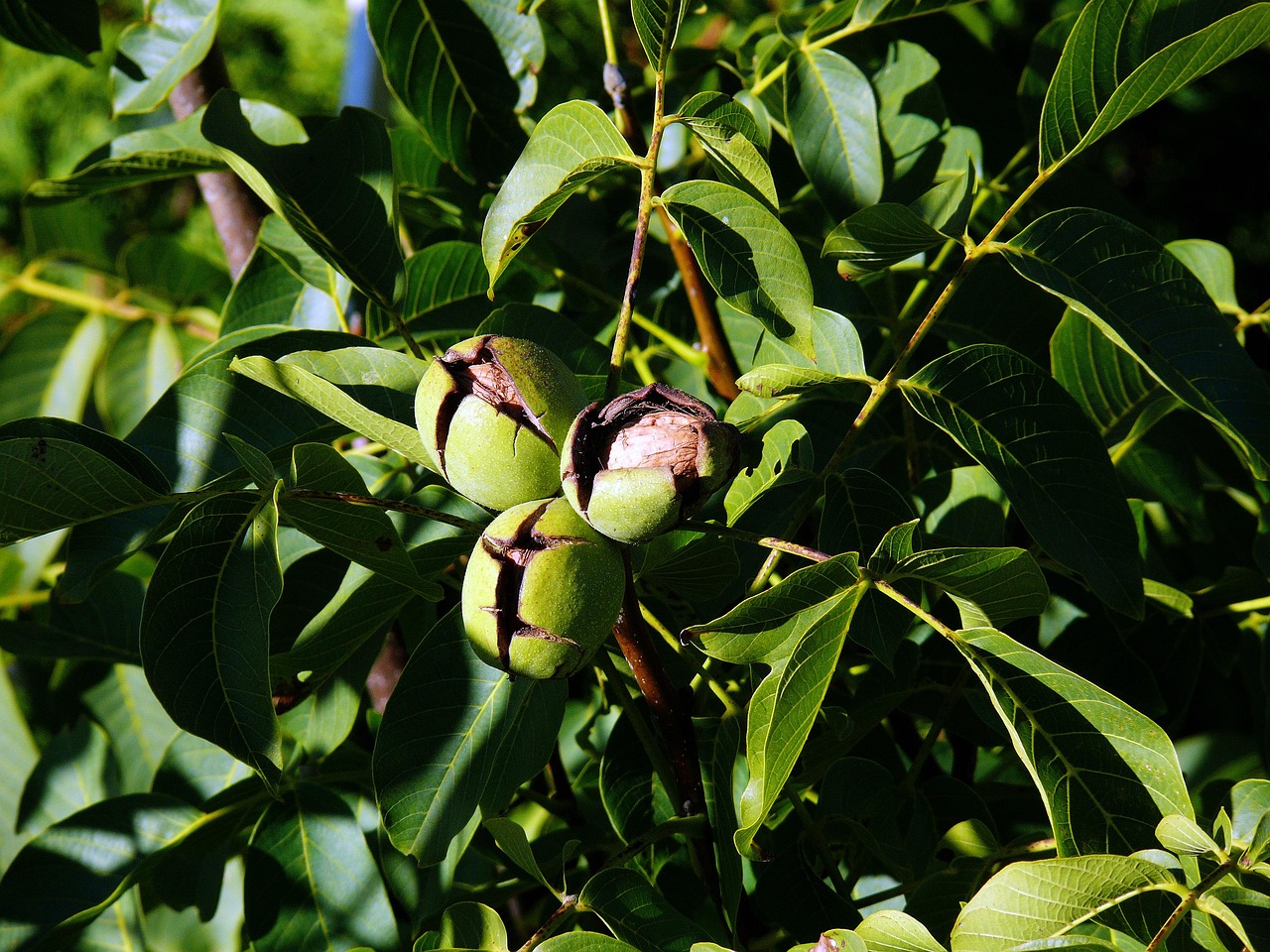
The Persian walnut, commonly known simply as the walnut tree, is a majestic species closely associated with the agricultural and rural traditions of Valpolicella. It is easily recognized by its large compound leaves and by its fruits, the walnuts, which ripen in autumn and have long been valued as an important source of food and oil. The tree thrives in deep, well-drained soils and is most often found as an isolated specimen in fields, near farmhouses, or along country roads, only rarely occurring within woodlands. With its broad, imposing crown, the walnut remains a prominent feature of the landscape along the trail. Its presence reflects both the agricultural importance of the species and its enduring place in the cultural heritage of the region.
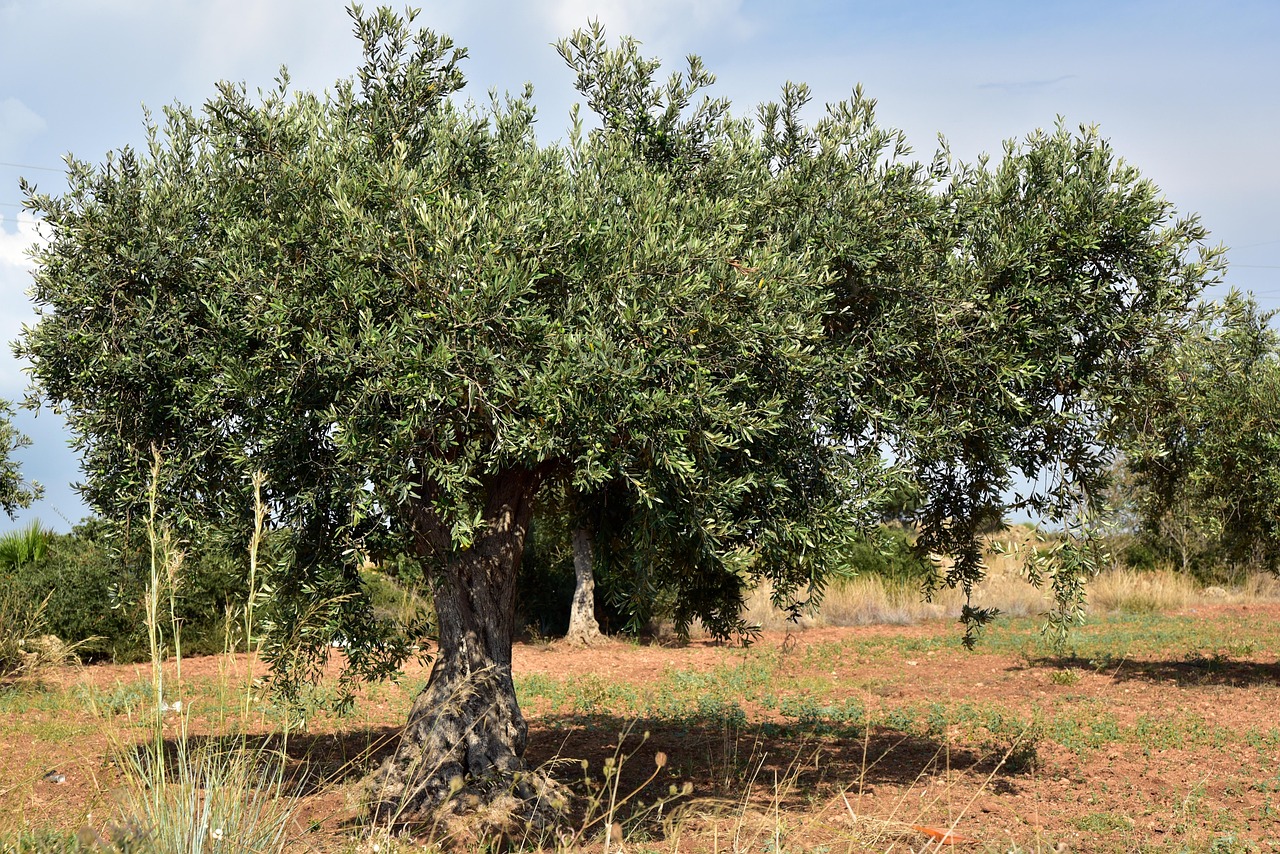
The olive tree was likely introduced to Valpolicella more than two thousand years ago. During the Middle Ages, olive oil was especially valued for use in church altars and religious ceremonies, while in later centuries the cultivation of table olives also became established in the region. Today, alongside its renowned wines, Valpolicella is known for producing high-quality extra virgin olive oil, which has become an important part of the local agricultural tradition and identity. Olive branches have long held symbolic and religious significance. They were traditionally blessed on Palm Sunday and then used to make small wooden crosses, which were hung at the head of vineyard rows as a sign of protection. In local folk tradition, blessed olive branches were also burned during severe thunderstorms, particularly when hail threatened the crops, in the hope of safeguarding the harvest. Along the trail, the olive tree is one of the most characteristic features of the sunny hillsides of Valpolicella, reflecting the deep connection between agriculture, local customs, and the landscape.
Field elm (Ulmus minor)
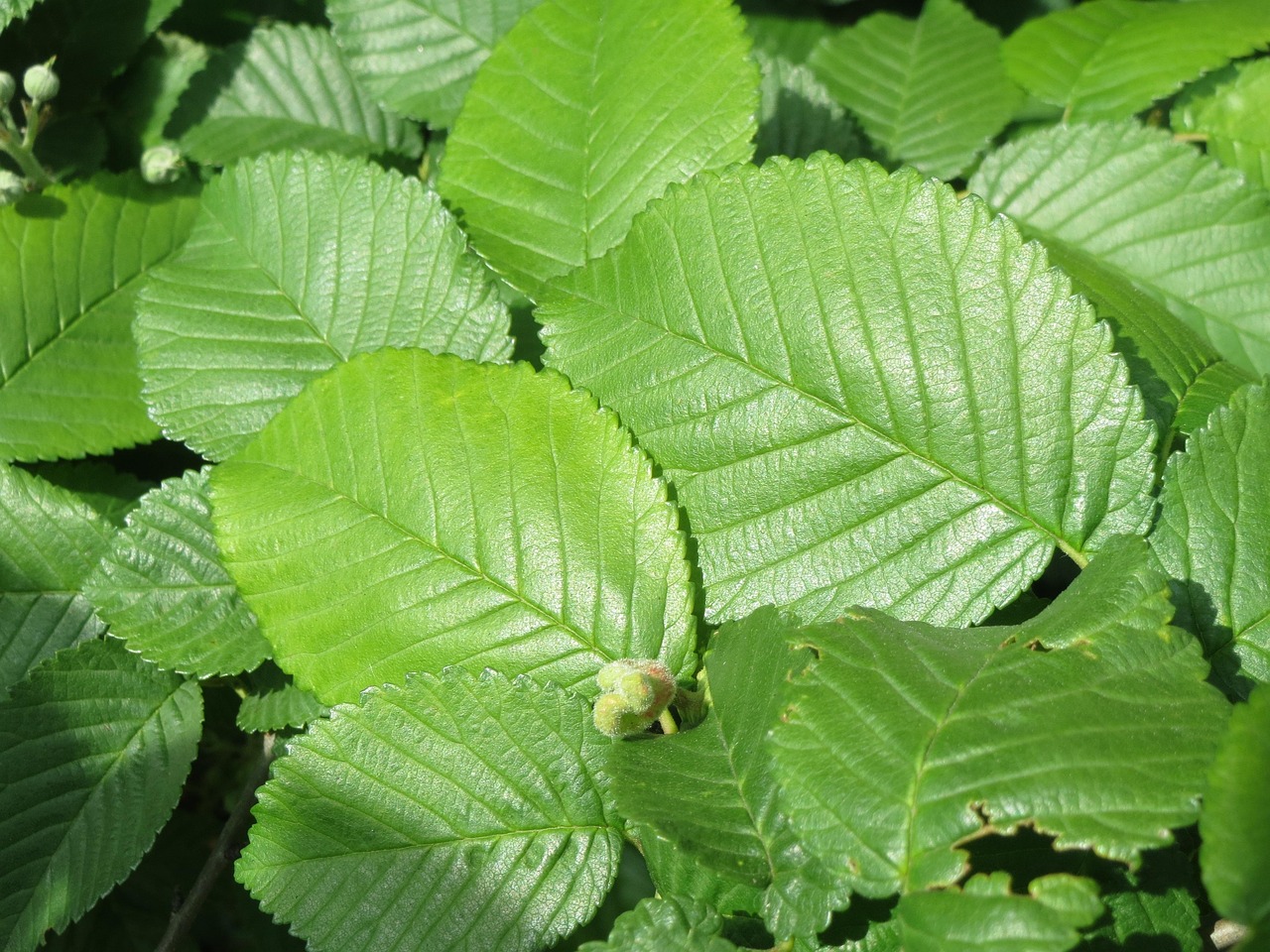
The field elm is a deciduous broadleaved tree that was once very common throughout the countryside of Valpolicella, where it was often grown alongside grapevines, which were traditionally trained to climb its trunk. It is easily recognized by its oval, serrated leaves, which are characteristically asymmetrical at the base. The species thrives in the deep, fertile soils of valley bottoms and hilly areas, and can grow to over 25 metres in height, living for many decades. In recent years, however, its presence has been greatly reduced by Dutch elm disease, a devastating fungal disease that has caused the decline of elm populations across much of Europe. The field elm is less common in the Lessinia Mountains, although it can still be found in some sheltered valleys. Along the trail, surviving mature elms are a reminder of the region’s traditional agricultural landscape, where vineyards, cultivated fields, and shade-giving trees once formed an integrated and characteristic rural environment.
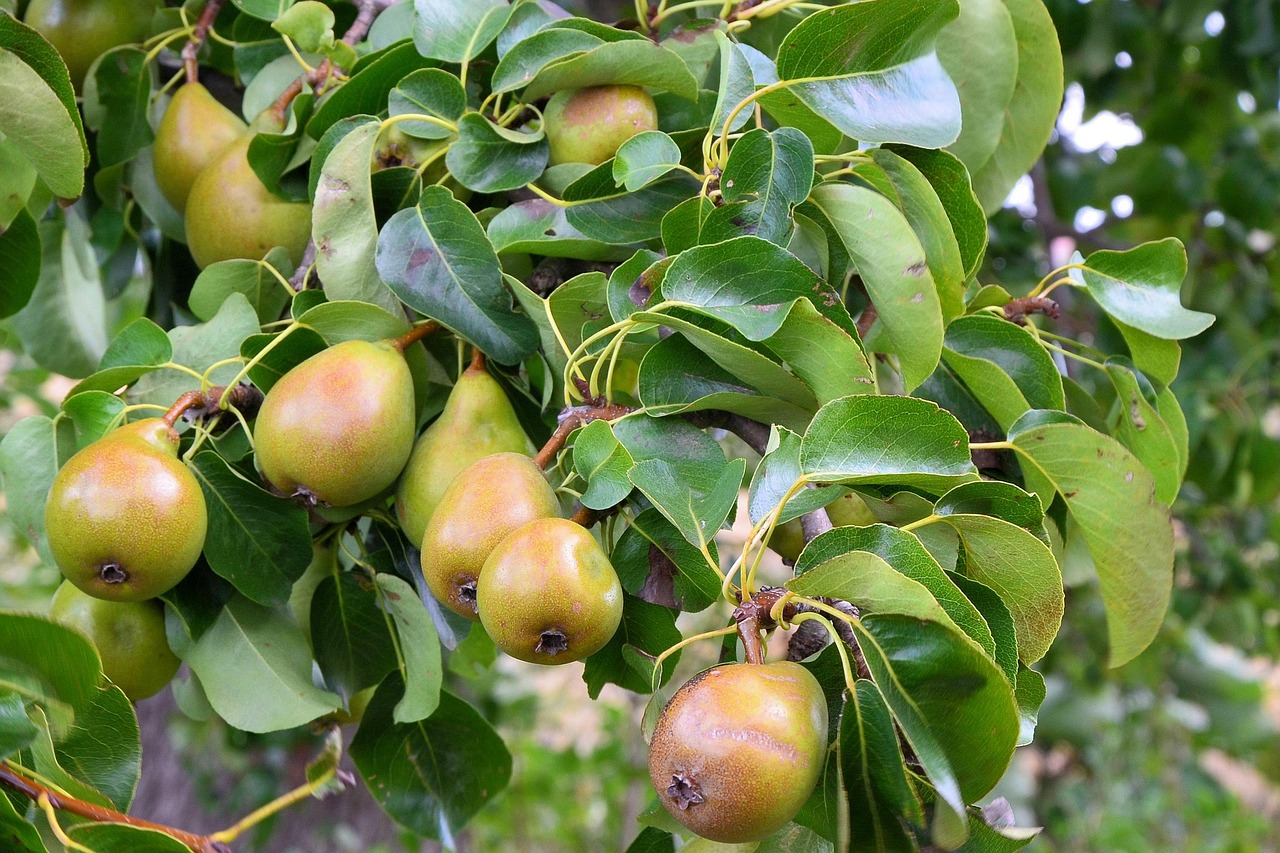
The pear tree was, for centuries, one of the most valued fruit trees in the countryside of Valpolicella and the Lessinia Mountains. Its fruit, available in a remarkable diversity of varieties, appealed to a wide range of tastes and was particularly prized because it could be stored well into the winter months. Many traditional varieties still survive today, although distinguishing between them is often difficult for non-specialists. In spring, the pear tree produces a profusion of white blossoms, flowering almost simultaneously with the cherry tree and creating a striking display that brightens fields, orchards, and rural hamlets. The pear tree does not form natural woodlands but grows as an isolated specimen or in small orchards closely linked to agricultural activity. Along the trail, it serves as a reminder of the region’s farming heritage and the rich biodiversity that has long characterized its cultivated landscapes.
Black pine (Pinus nigra)
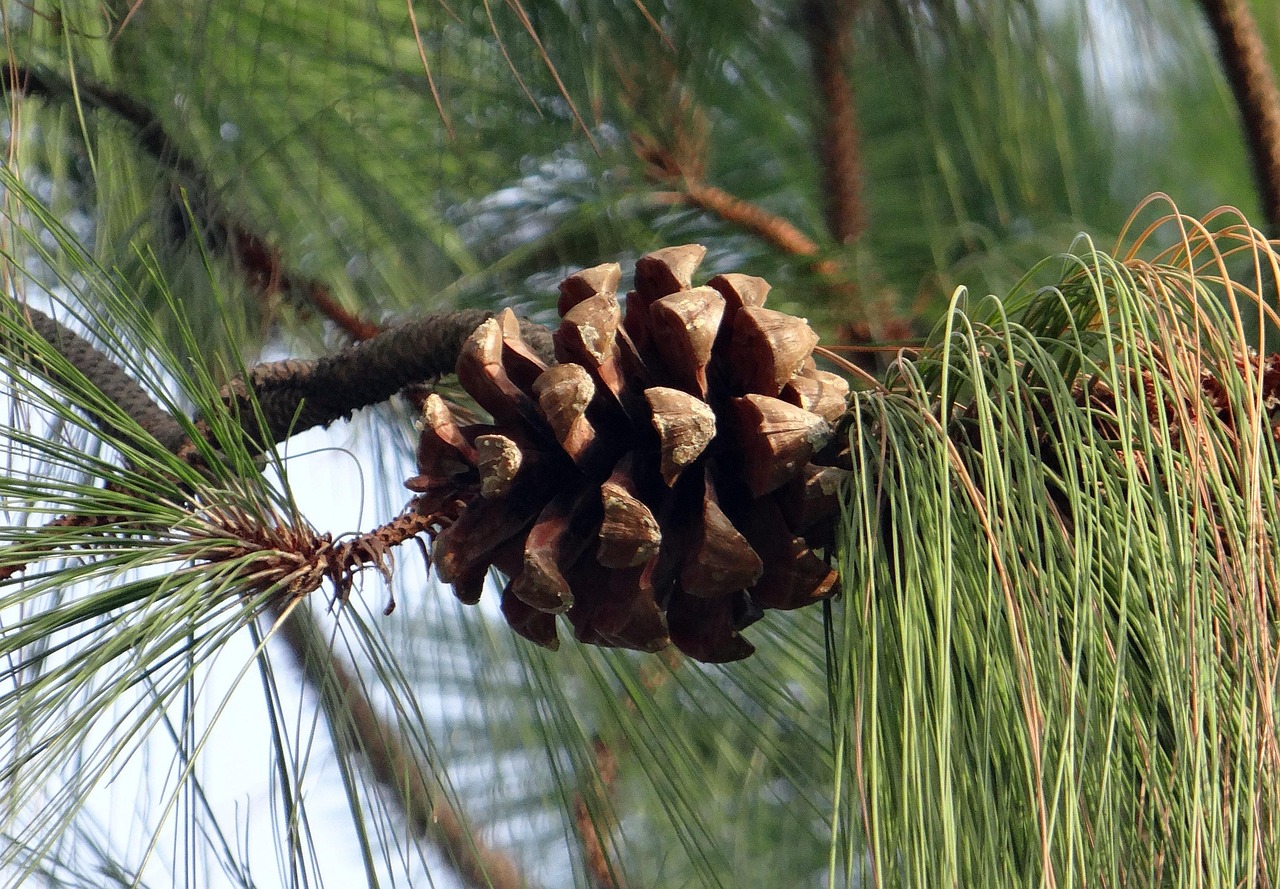
The black pine is an evergreen conifer with an imposing appearance, characterized by its long, dark needles, which grow in pairs. Although it is not native to the areas crossed by the trail, it was widely used in reforestation projects because of its ability to establish itself on poor, rocky soils. For this reason, it is encountered only occasionally along the route, mainly in dry areas or within older plantation forests. The species can exceed 30 metres in height and has a long lifespan, developing dense, dark crowns that are easily recognizable in the landscape. Its presence reflects past forestry practices aimed at stabilizing slopes and restoring vegetation cover in challenging environments.
Scots pine (Pinus sylvestris)
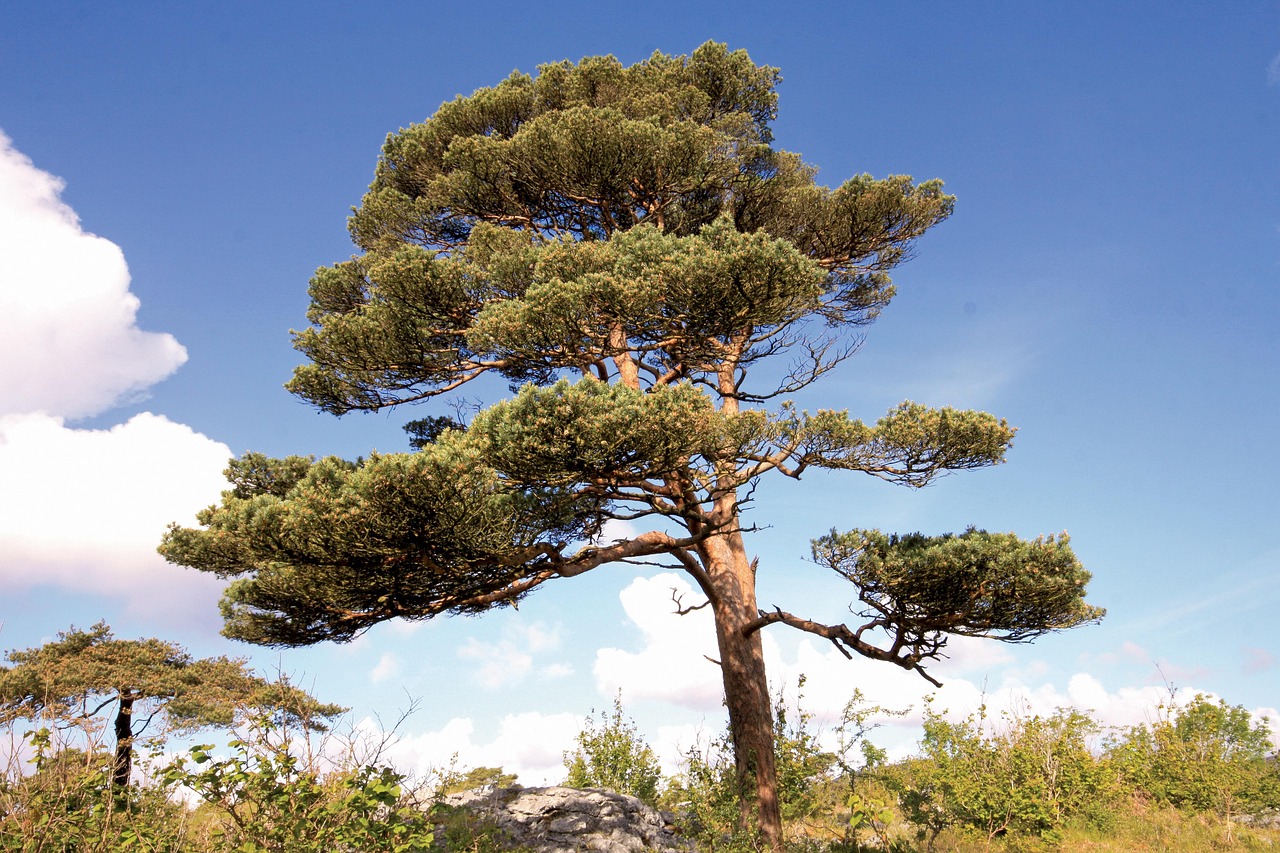
The Scots pine is a conifer easily recognized by the distinctive orange-coloured bark on the upper part of its trunk and by its slender needles, which grow in pairs. In the Lessinia Mountains, it is found mainly on dry, rocky slopes, while in Valpolicella it is less common. The species thrives at elevations between 600 and 1,500 metres and often grows alongside other conifers such as the European larch and the Norway spruce. Its cones mature slowly, releasing lightweight seeds that are dispersed by the wind. With its broad, often irregular crown and its characteristic resinous scent, the Scots pine is a distinctive presence in the forest. Along the trail, it adds variety, colour, and fragrance to the mountain landscape.
White poplar (Populus alba)
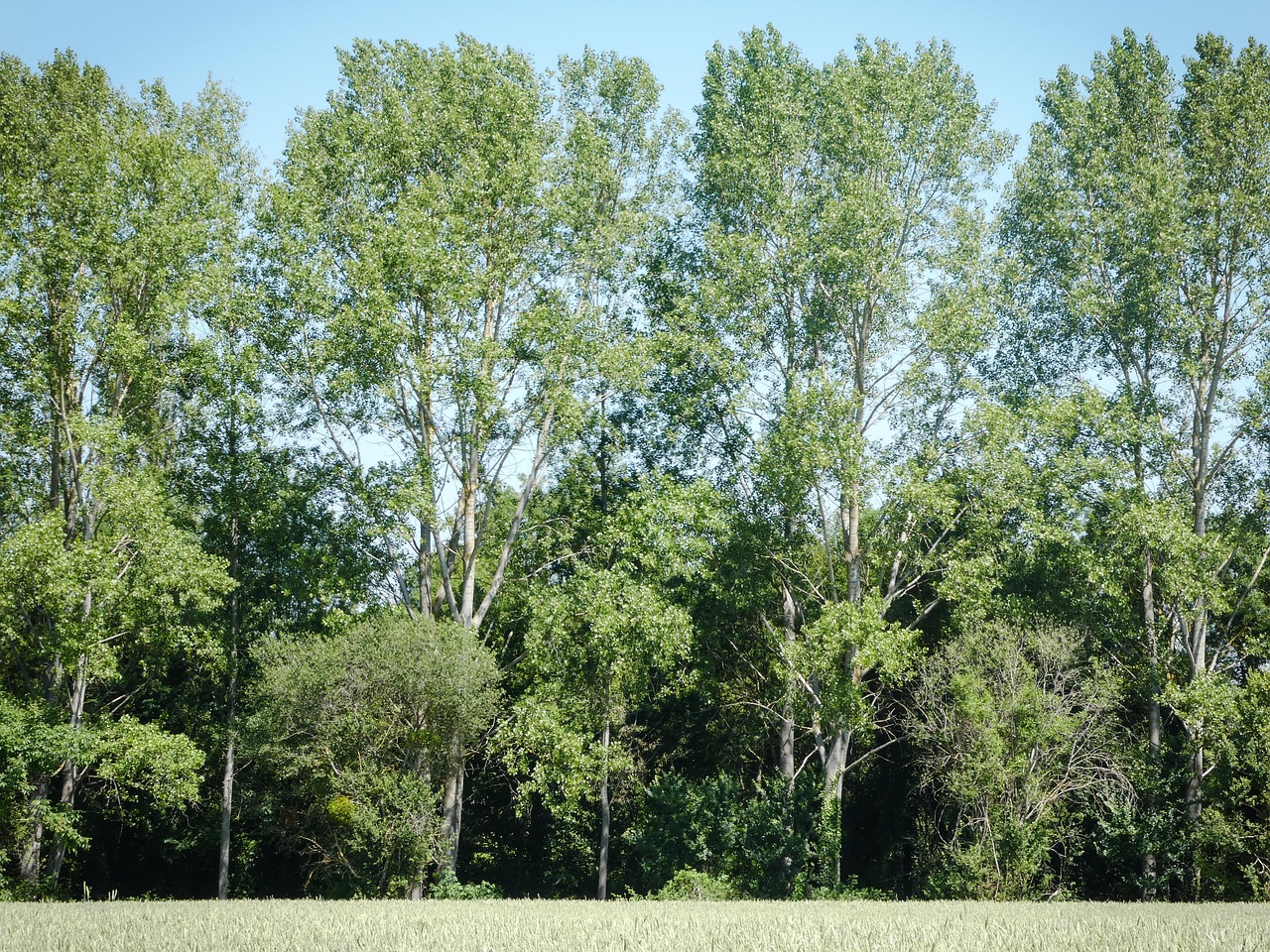
The white poplar is a fast-growing tree that thrives in the moist soils of valley bottoms and along watercourses, habitats that are found both in Valpolicella and in the valleys of the Lessinia Mountains. It is easily recognized by its bright, airy crown and by its leaves, which shimmer and flutter in the wind. The undersides of the leaves are covered with a distinctive white down, giving the tree its common name. White poplar can reach heights of 25–30 metres and often grows in rows or small groups, contributing to the character of both agricultural and riverside landscapes. In spring, it releases masses of cotton-like seeds that are carried through the air by the wind. Along the trail, it is encountered mainly in valley bottoms and near streams, where it serves as a characteristic feature of the vegetation associated with wet environments.
Black locust (Robinia pseudoacacia)
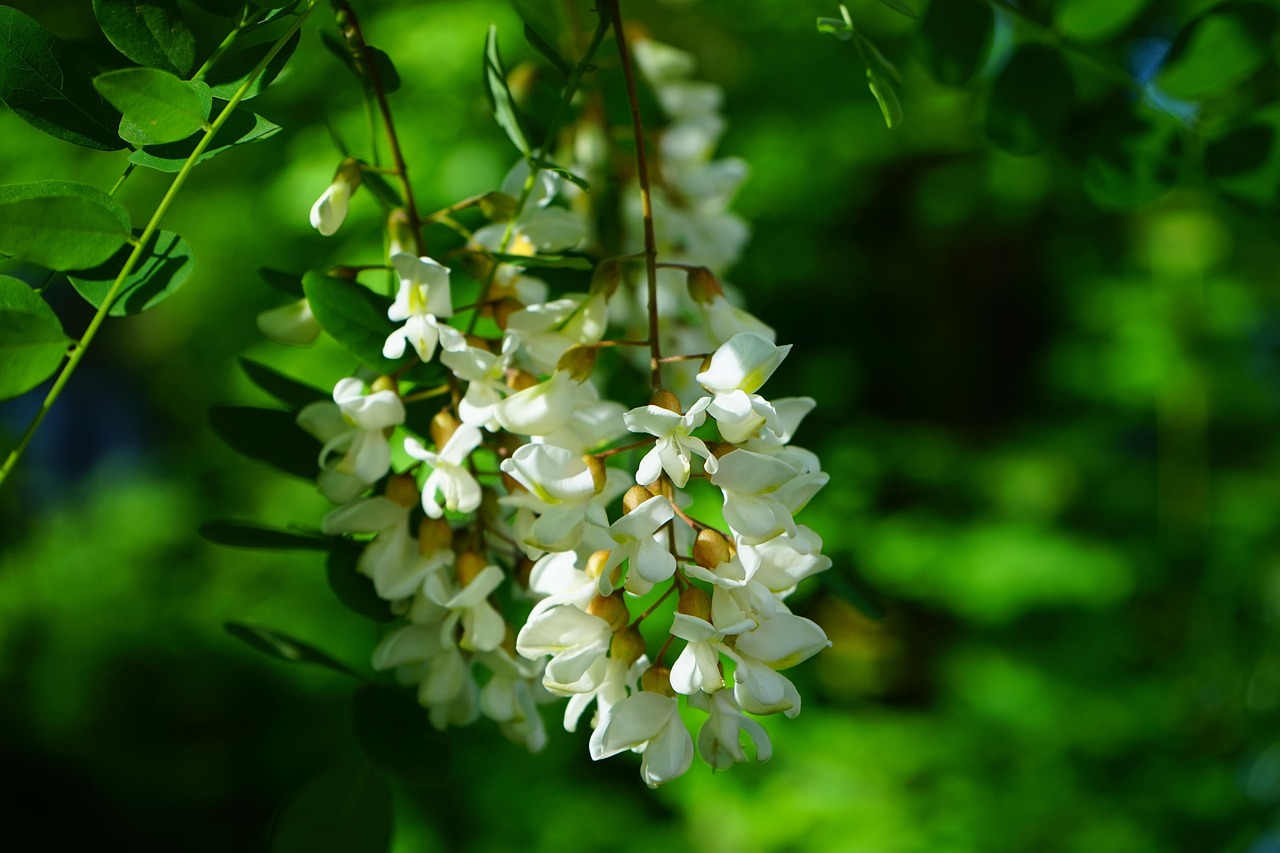
The black locust, often referred to locally as “acacia,” is a species native to North America that was introduced to Europe in the seventeenth century. Today it is widespread throughout both Valpolicella and the Lessinia Mountains. A fast-growing and highly adaptable tree, it thrives on poor, dry soils and readily colonizes sunny slopes, abandoned land, and trail edges. It is easily recognized by its compound leaves, made up of oval leaflets, and by its hanging clusters of fragrant white flowers, which bloom in late spring and are highly valued by bees for the production of acacia honey. In autumn, the foliage turns shades of yellow before falling. Although it is not native to the region and is considered invasive in some environments, the black locust has become a familiar element of the local landscape, creating dense, shady groves along roadsides and hillsides throughout the area crossed by the trail.
Downy oak (Quercus pubescens)

The downy oak (Quercus pubescens) is a characteristic oak of the hills and foothills of Valpolicella, where it thrives on dry, sunny slopes. It is easily recognized by its lobed leaves, which are covered with fine hairs on their undersides—a feature that gives the species its common name. Well adapted to drought and poor soils, the downy oak can reach 20 metres in height and live for several centuries. It often forms open, light-filled woodlands that take on warm yellow-brown tones in autumn. For generations, this species played an important role in rural life. Its hard, durable timber was widely used for beams, fence posts, and the production of charcoal. Today, the downy oak accompanies several sections of the trail in the lower elevations, standing as a representative of the native woodland vegetation that has long shaped the hills of the Verona region.
Willows (Salix species and hybrids)
Willows are trees and shrubs typically associated with wet environments and are found mainly in the valley bottoms of Valpolicella and along the streams and watercourses of the Lessinia Mountains. Among the most common species are the purple willow (Salix purpurea), with its slender reddish branches and narrow, lance-shaped leaves, and the golden willow (Salix alba var. vitellina), which is distinguished by its flexible young shoots of a striking golden-yellow colour. In spring, both produce the characteristic catkins that provide an important source of nectar and pollen for bees and other pollinators. Willows also play a valuable ecological role by helping to stabilize stream banks and reduce erosion. Although they do not usually reach great size, they often form dense thickets or small trees that are a defining feature of the wetland landscapes encountered along the trail. Traditionally, the flexible branches of red and yellow willows were harvested to produce withies, which were used to tie grapevines and bind bundles of dried vine prunings. This practice reflects the long-standing connection between these humble trees and the agricultural traditions of the region.
Rowans and service trees (Sorbus species)
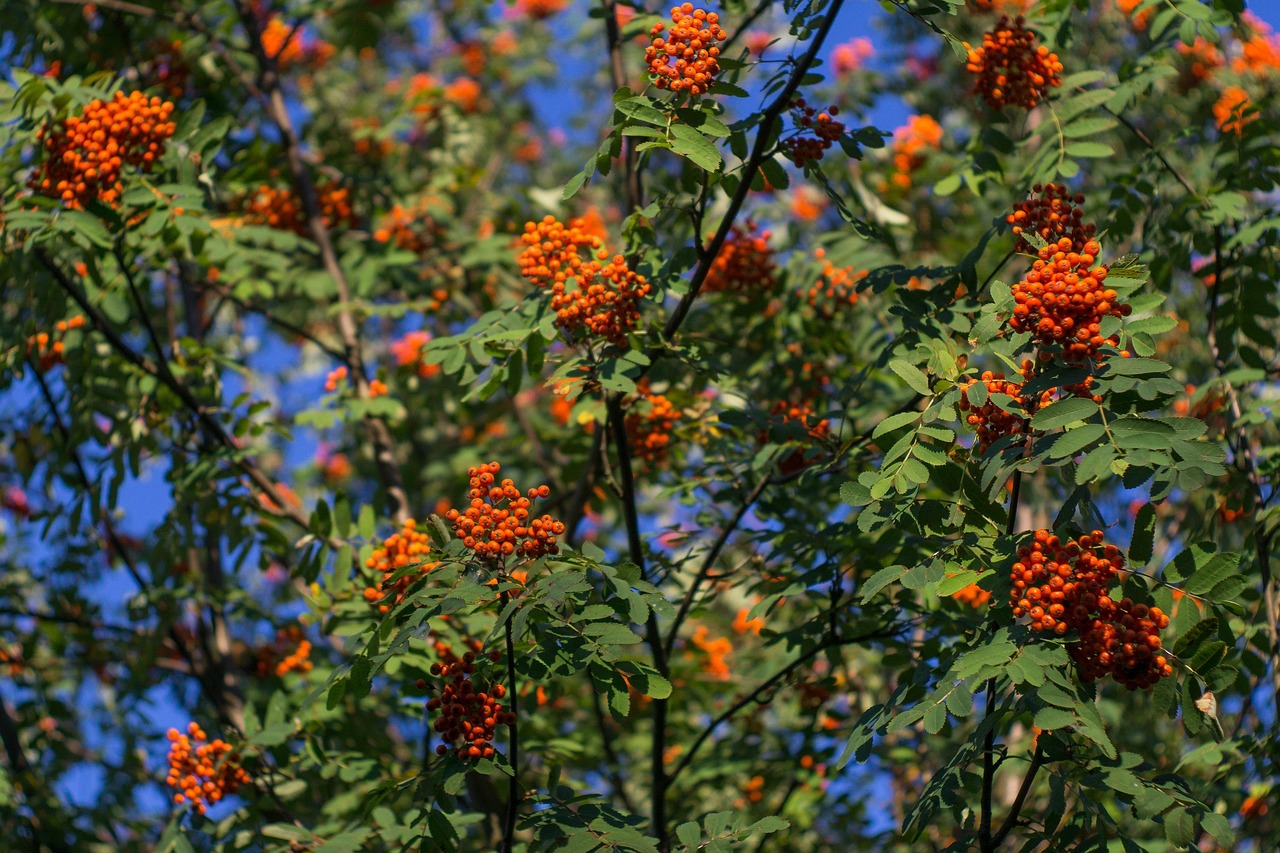
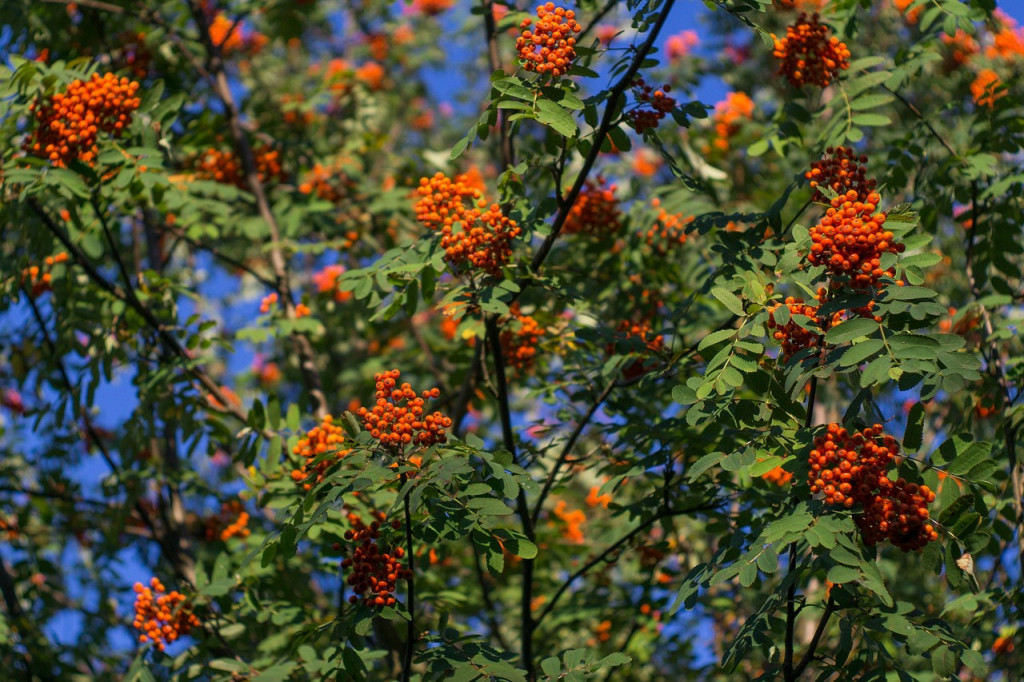
The trees of the genus Sorbus are medium-sized broadleaved species found both in the woodlands of the Lessinia Mountains and on the hilly slopes of Valpolicella. Among the most common are the rowan or mountain ash (Sorbus aucuparia), with its clusters of bright red berries much favoured by birds, and the true service tree (Sorbus domestica), which was traditionally cultivated for its edible fruits. Their leaves are composed of numerous lance-shaped leaflets that turn attractive shades of yellow, orange, and red in autumn, making these trees particularly decorative during the later months of the year. They grow either as isolated specimens or mixed with other broadleaved species, especially in cool, well-lit environments. Along the trail, Sorbus species add diversity and seasonal colour to the landscape while also recalling rural traditions, in which both their wood and fruits were valued and widely used.