

Mushrooms
Mushrooms are discreet yet vital presences in woods and meadows. They live in symbiosis with tree roots, contribute to the balance of ecosystems, decompose organic matter, and foster new life. Some are edible and part of the culinary tradition of Lessinia, while others are poisonous and must be approached with caution. Observing mushrooms along the trail means discovering a hidden world that is essential to the health of nature.
Honey fungus (Armillaria mellea)
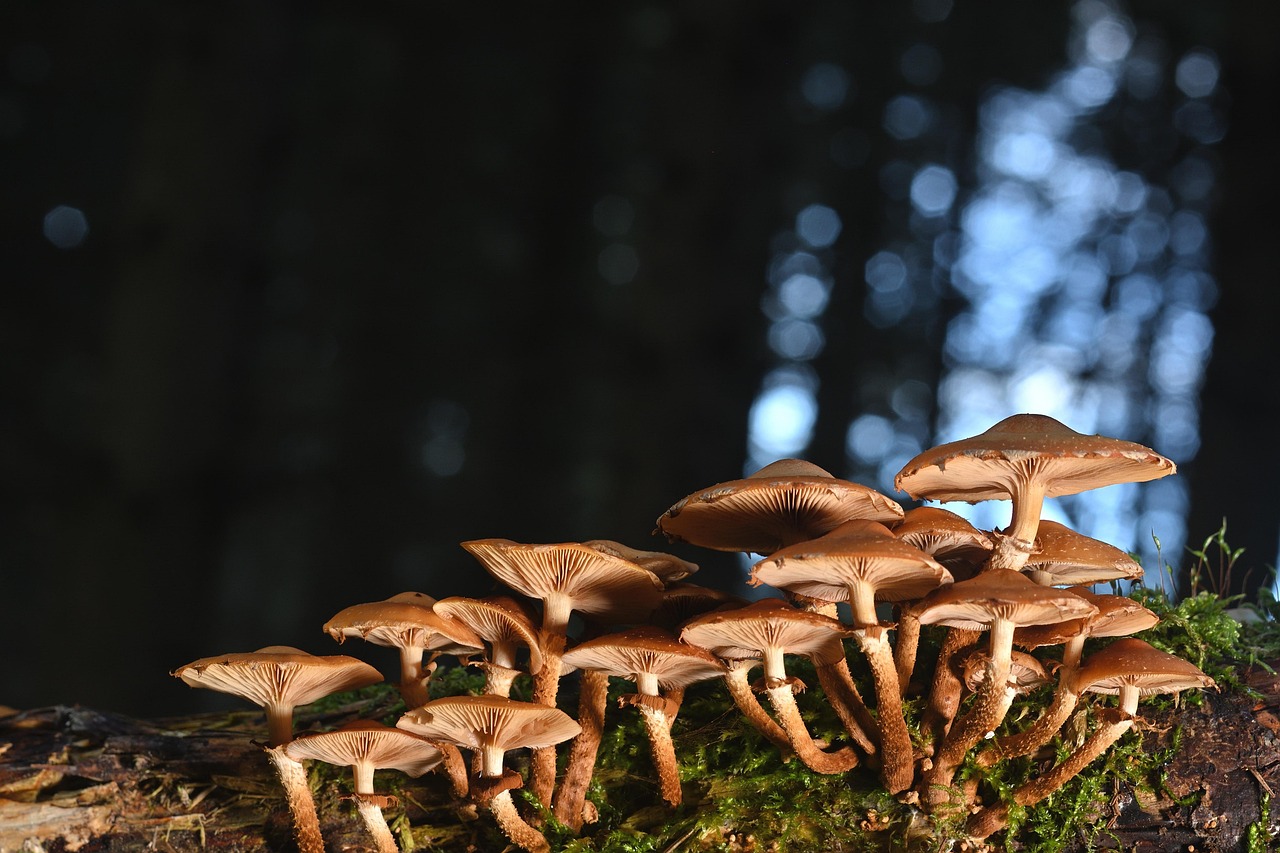
A very common mushroom that grows in large clusters on tree stumps and trunks. It is one of the most frequently gathered mushrooms in Lessinia in autumn.
Appearance: honey-brown cap; grows in large clusters.
Edibility: edible after thorough cooking.
Habitat: tree stumps and trunks.
Season: autumn.
Shaggy ink cap (Coprinus comatus)
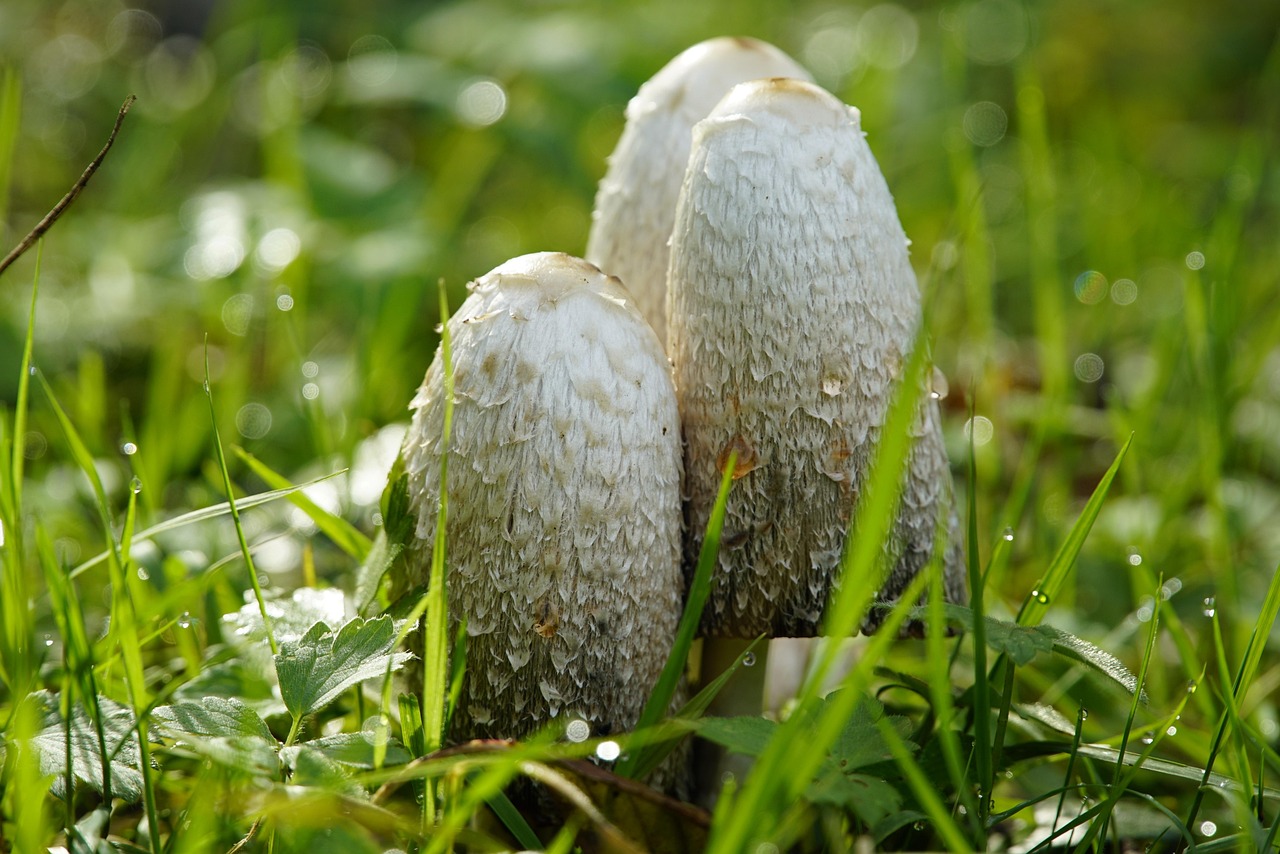
It is commonly found in meadows and along roadsides, especially after rain. It should be eaten while young.
Appearance: elongated, shaggy white cap that later turns black.
Edibility: good when gathered young.
Habitat: meadows and roadsides.
Season: spring and autumn.
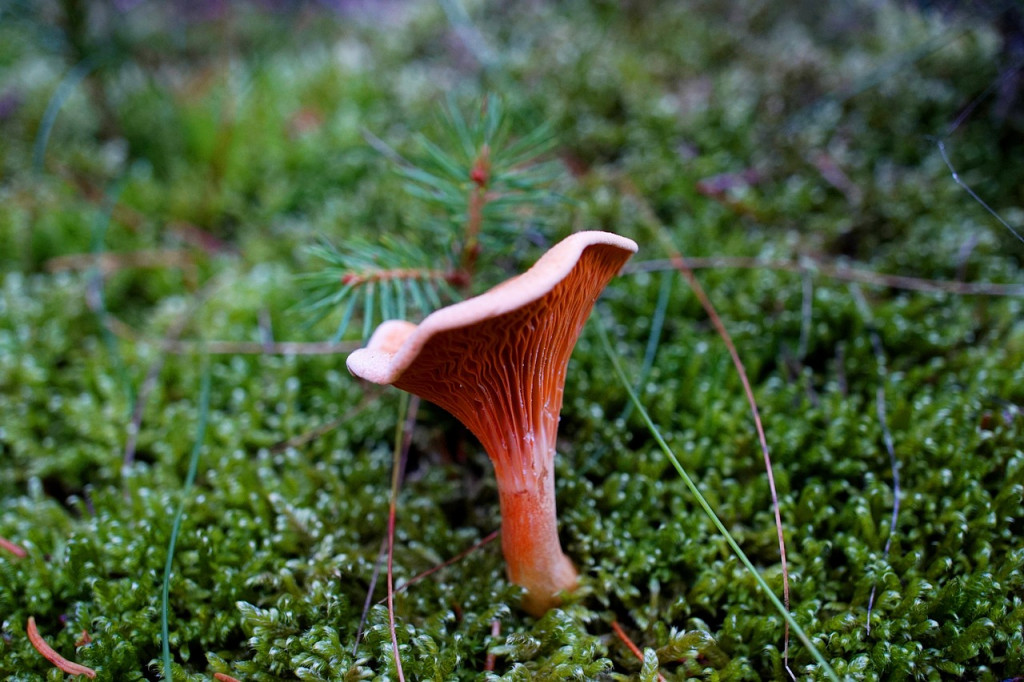
Chanterelle (Cantharellus cibarius)
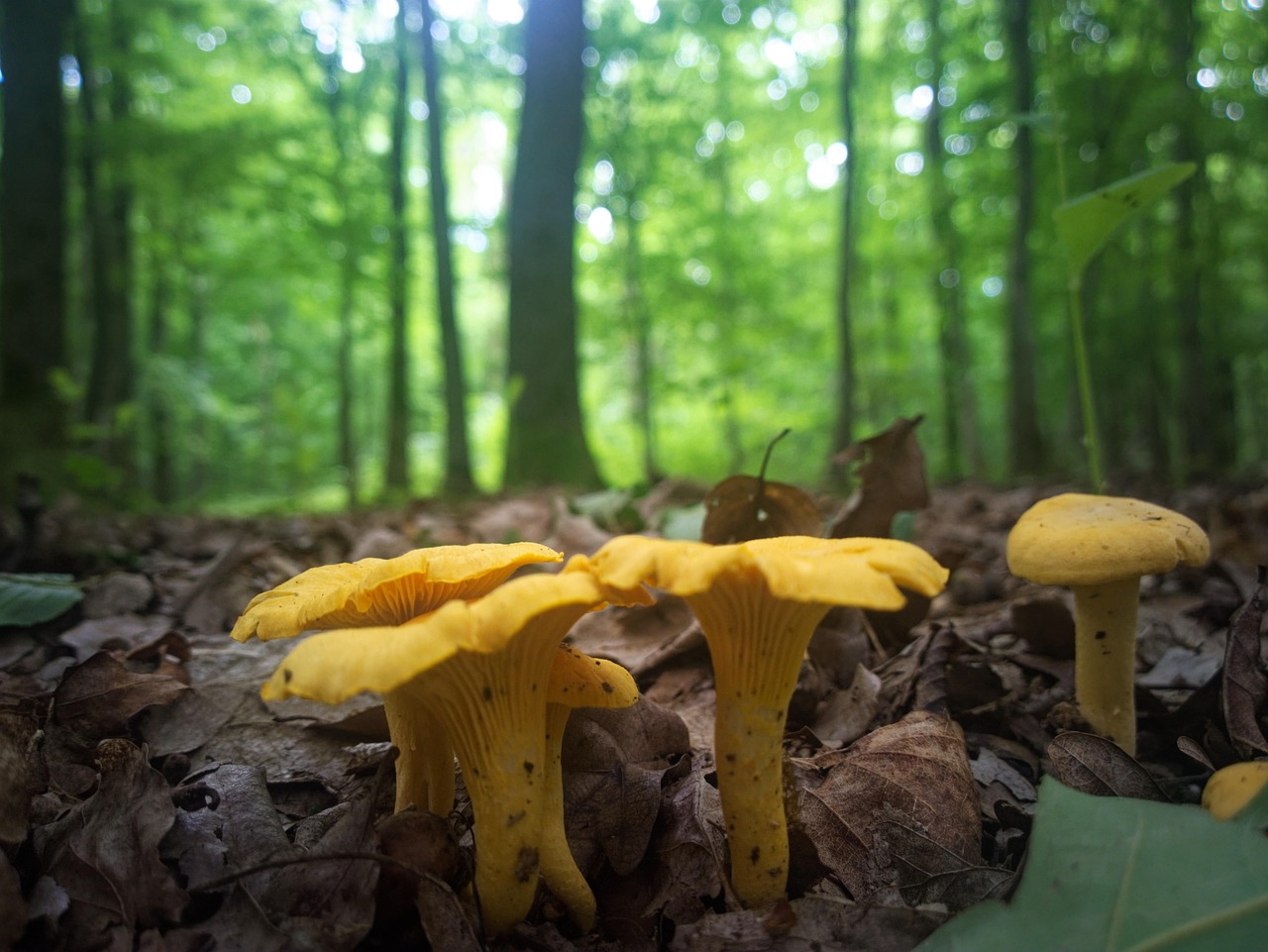
One of the best-known and most highly prized mushrooms, distinguished by its bright yellow colour. It grows in mixed woodland.
Appearance: yellow, trumpet-shaped, with closely spaced ridges.
Edibility: excellent.
Habitat: mixed coniferous and broadleaf woodland.
Season: summer and autumn.
Beefsteak fungus (Fistulina hepatica)
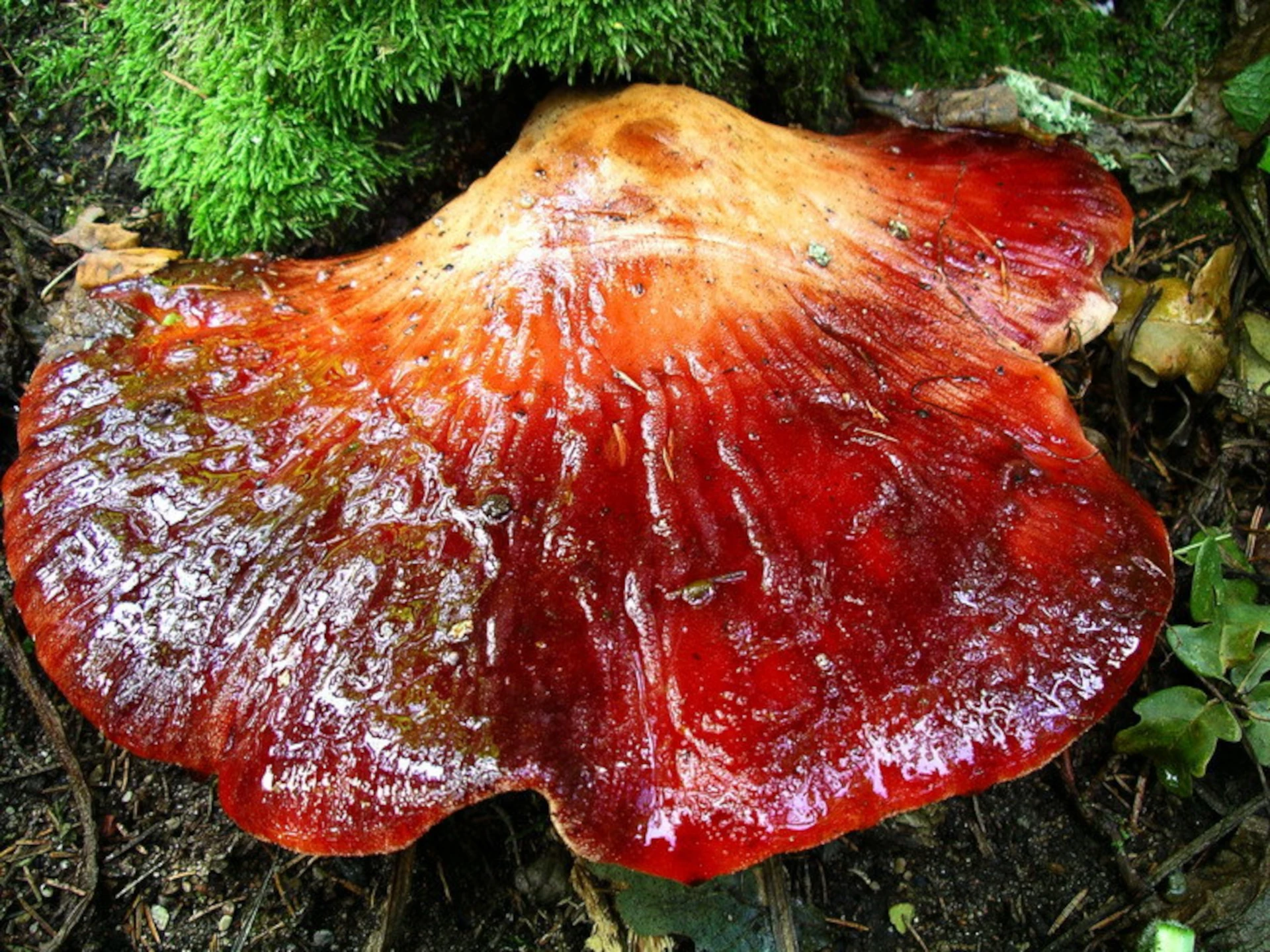
An unusual mushroom that looks remarkably like a fleshy tongue. It grows on living or dead chestnut and oak trunks.
Appearance: fleshy, red and tongue-shaped, projecting from tree trunks.
Edibility: edible when young.
Habitat: chestnut and oak trunks.
Season: summer and autumn.
Photo: N. Vėlavičienė, Wikimedia Commons (public domain)
Parasol mushroom (Macrolepiota procera)
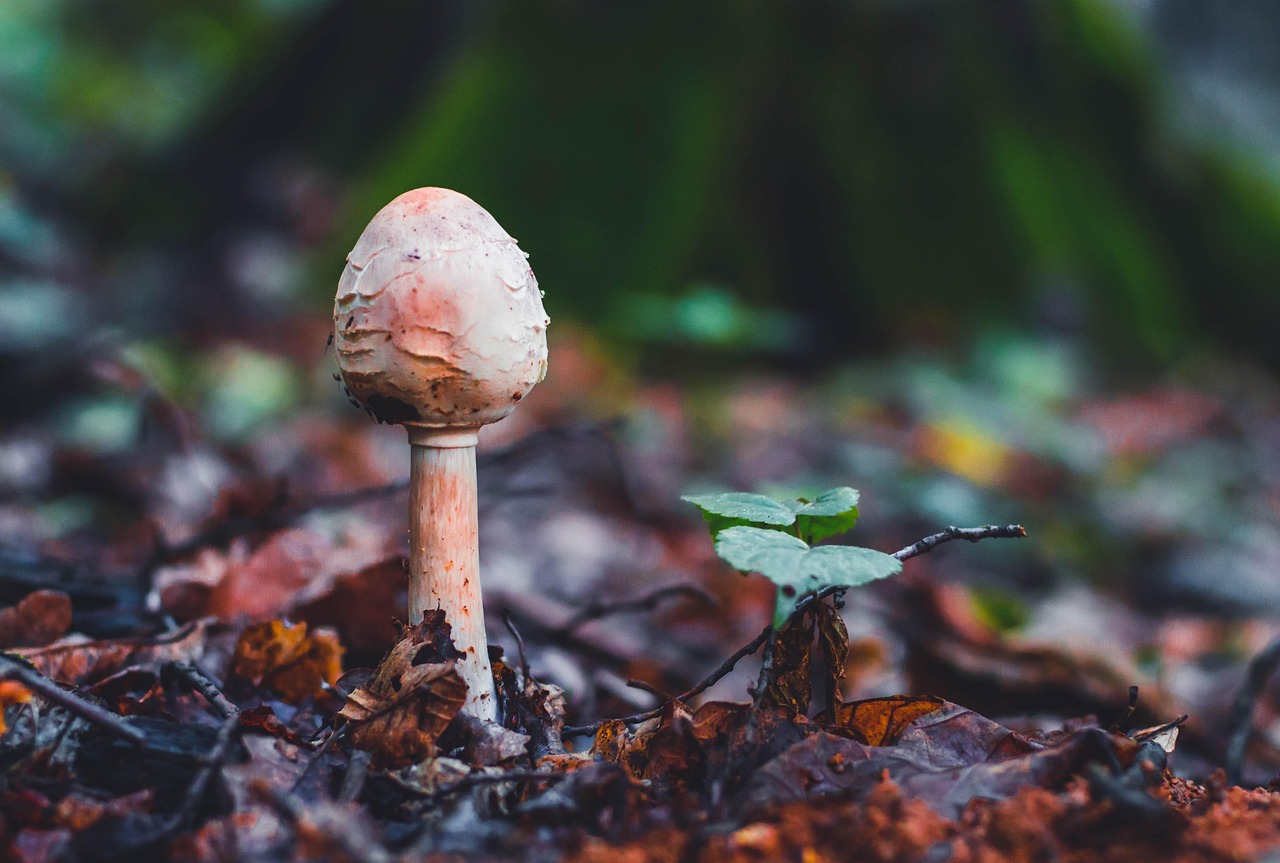
Easy to recognise by its large cap and long stem, it is frequently found in clearings and meadows.
Appearance: large, mottled cap with a long, slender stem.
Edibility: good (cap only).
Habitat: meadows and woodland clearings.
Season: summer and autumn.
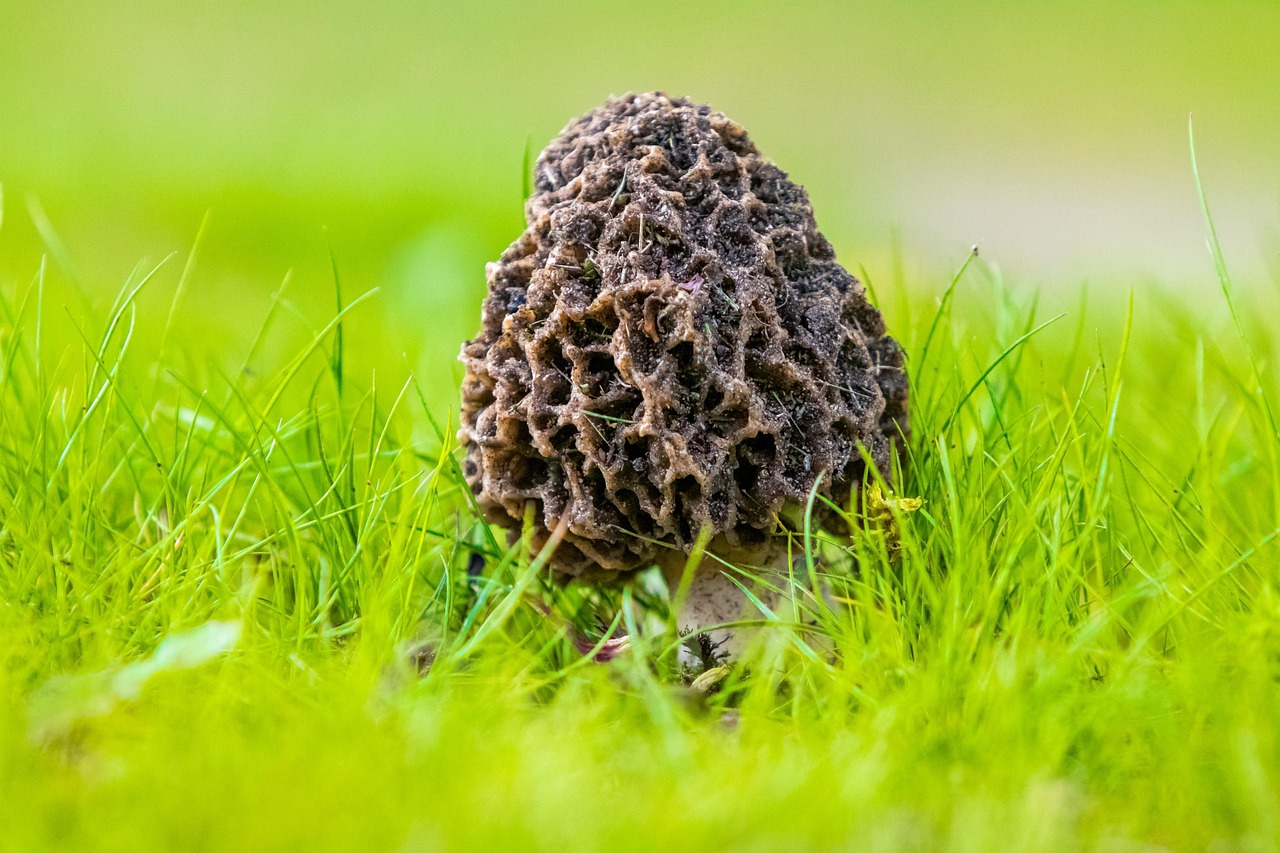
A rare and highly prized spring mushroom, recognisable by its honeycomb-patterned cap. It is less common in Lessinia.
Appearance: brown cap with a honeycomb pattern.
Edibility: excellent after thorough cooking.
Habitat: sandy ground and open woodland.
Season: spring.
Caesar’s mushroom (Amanita caesarea)
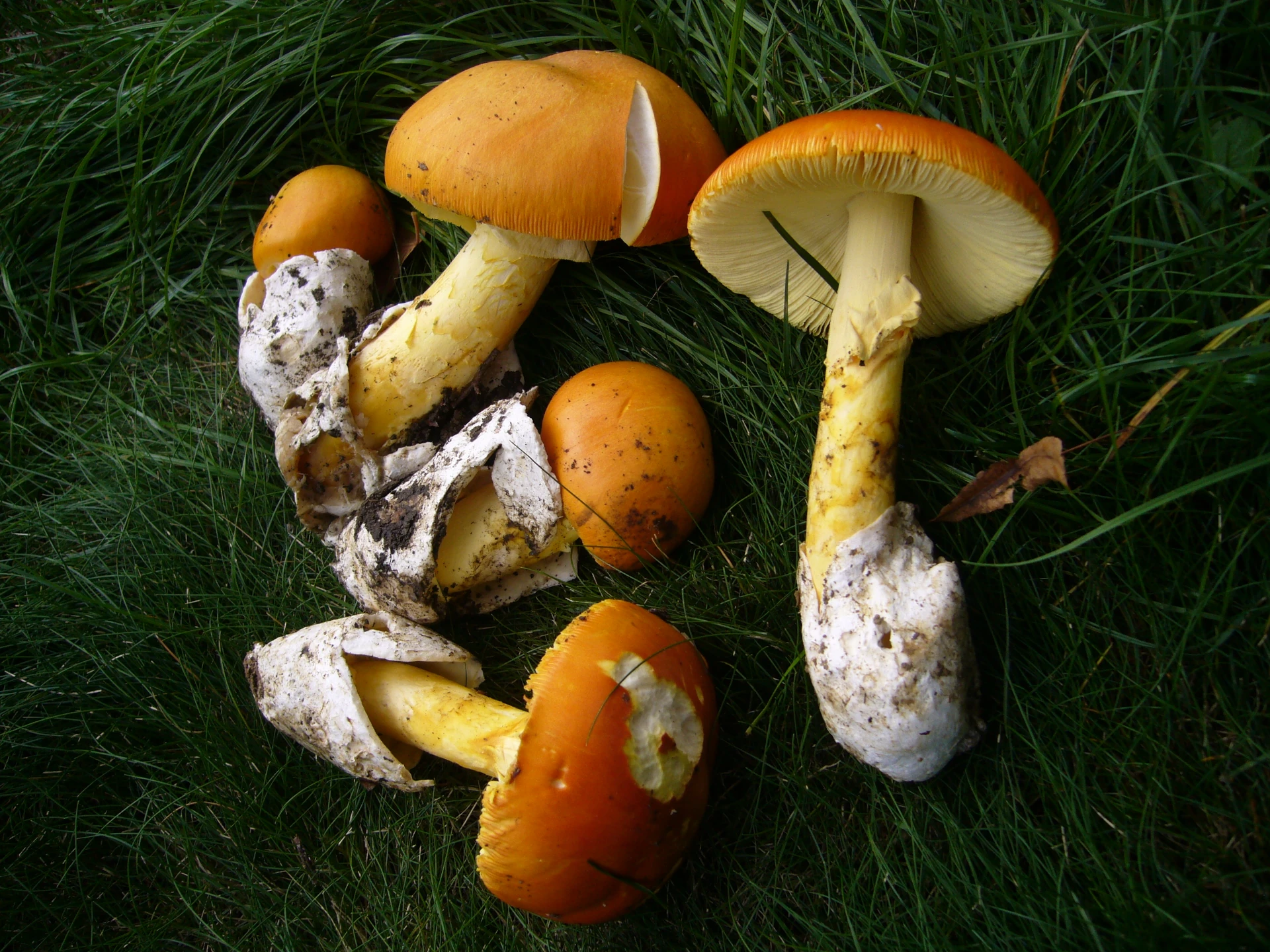
Considered one of the finest edible mushrooms, it has a vivid orange colour. It is rarely found in Lessinia and is more common at lower elevations.
Appearance: bright orange cap, with a yellow stem and gills.
Edibility: excellent.
Habitat: warm oak and chestnut woodland.
Season: summer and early autumn.
Photo by Yaqui, “Oronges (Amanites des Césars) posées dans l’herbe”, 2006, via Wikimedia Commons, licensed under CC BY-SA
Porcini mushrooms (Boletus edulis and related species)
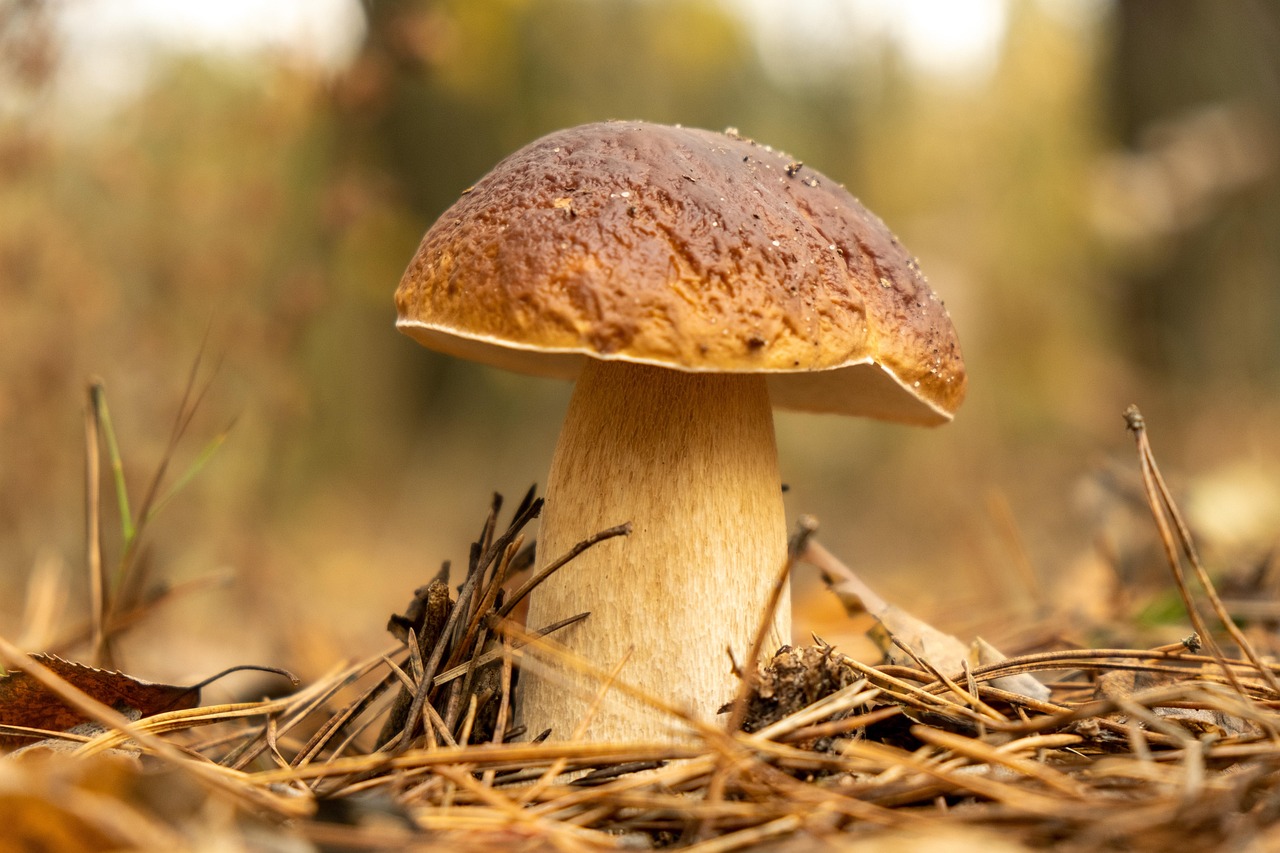
The king of mushrooms, widely known and highly sought after. It grows in Lessinia’s beech, fir and chestnut woodland.
Appearance: brown cap with a stout, net-patterned stem.
Edibility: excellent.
Habitat: beech, fir and chestnut woodland.
Season: summer and autumn.
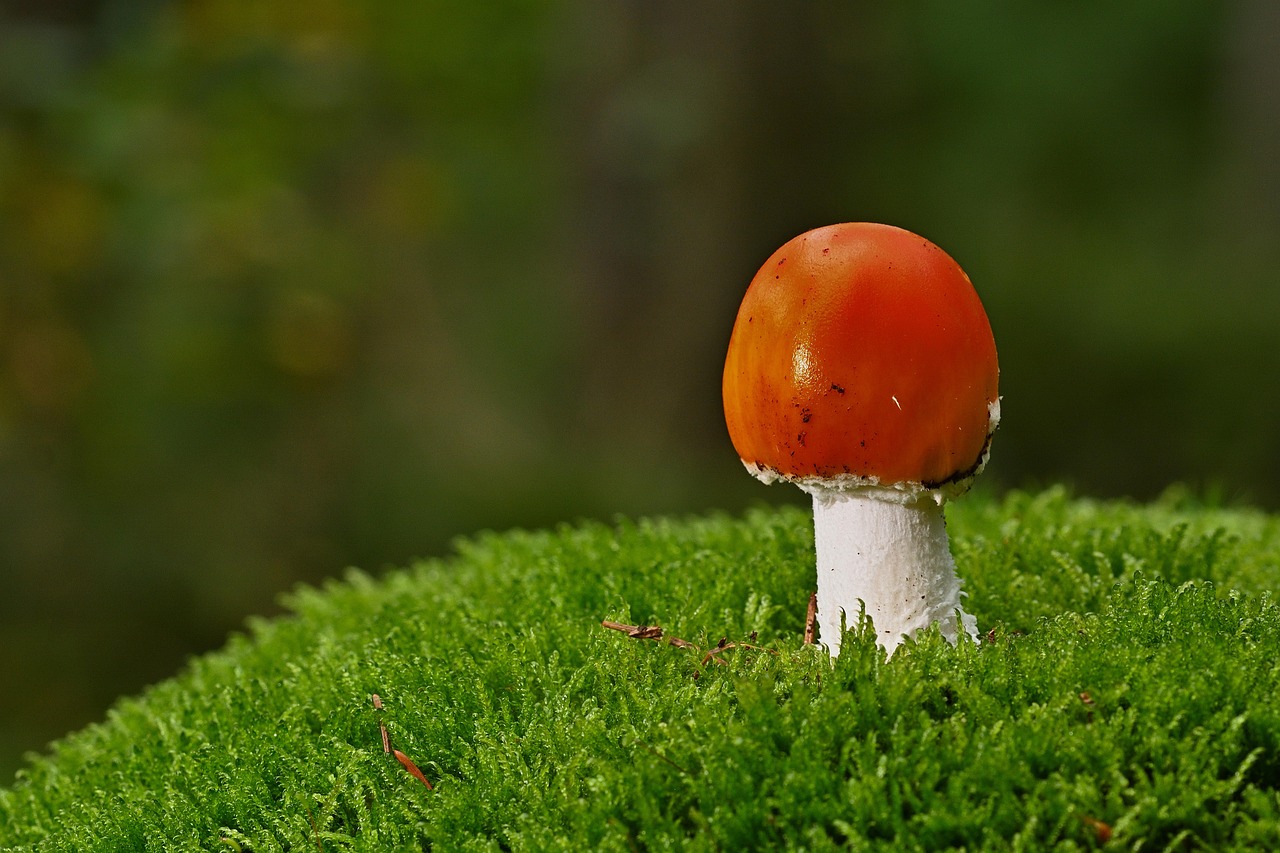
A highly varied genus with caps in many different colours. Some species are edible, while others have an unpleasant taste.
Appearance: various colours (red, green or yellow), with brittle flesh.
Edibility: some species are edible; others are not.
Habitat: mixed woodland.
Season: summer and autumn.
Saffron milk cap (Lactarius deliciosus)
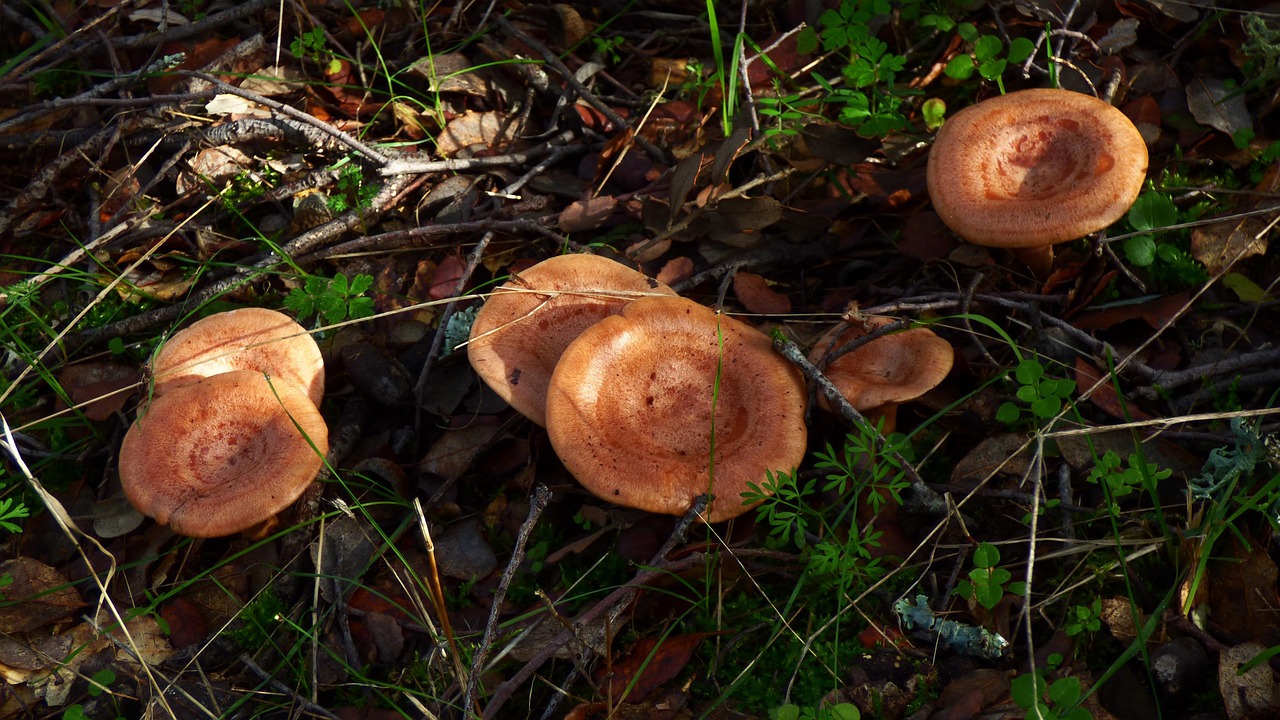
Easy to recognise because it exudes orange milk. In Lessinia it grows mainly in coniferous woodland.
Appearance: orange cap with concentric rings; orange milk.
Edibility: good.
Habitat: coniferous woodland.
Season: summer and autumn.
Amanita muscaria ⚠️ Poisonous mushroom
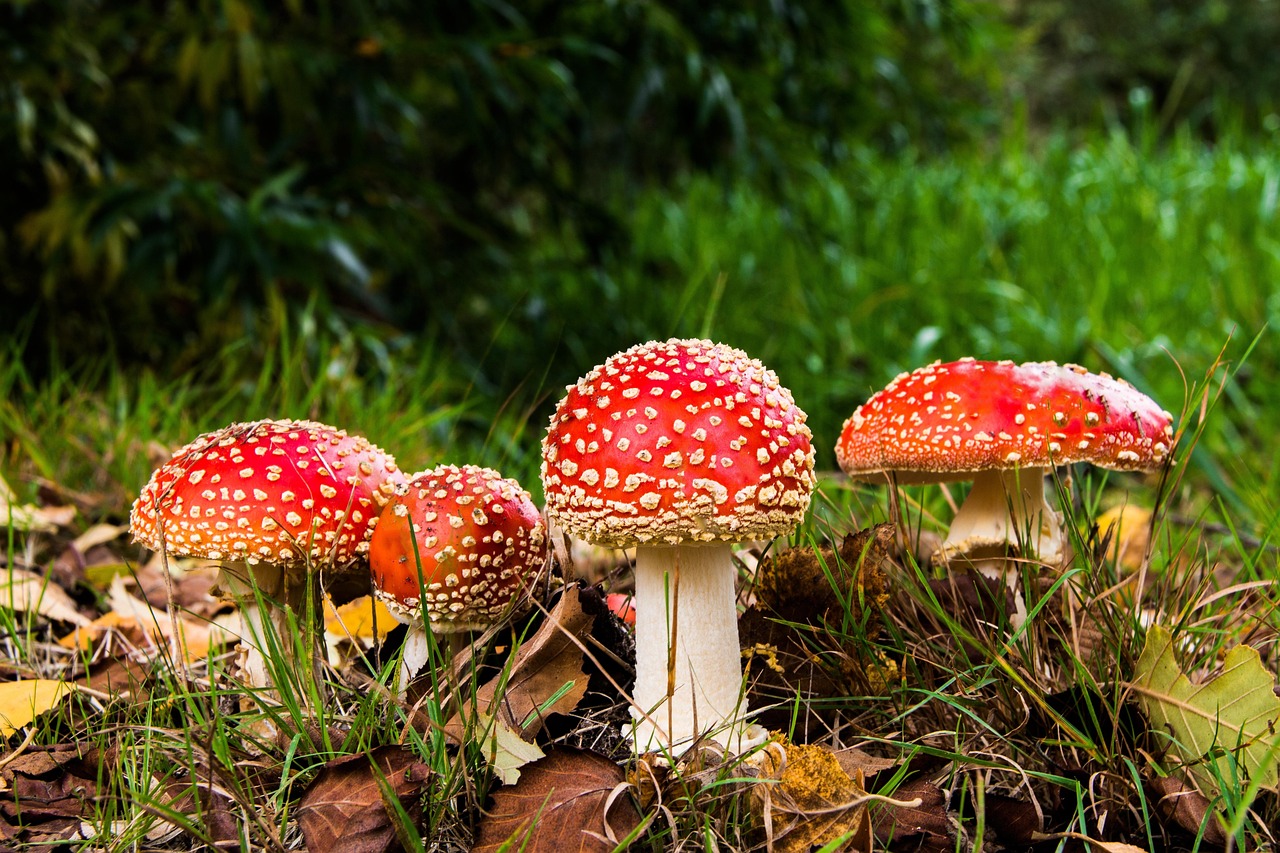
The best-known poisonous mushroom, with its distinctive red cap covered in white spots. Iconic, but toxic.
Appearance: red cap with white spots; white stem with a ring.
Edibility: poisonous.
Habitat: coniferous and beech woodland.
Season: summer and autumn.
Amanita pantherina ⚠️ Poisonous mushroom
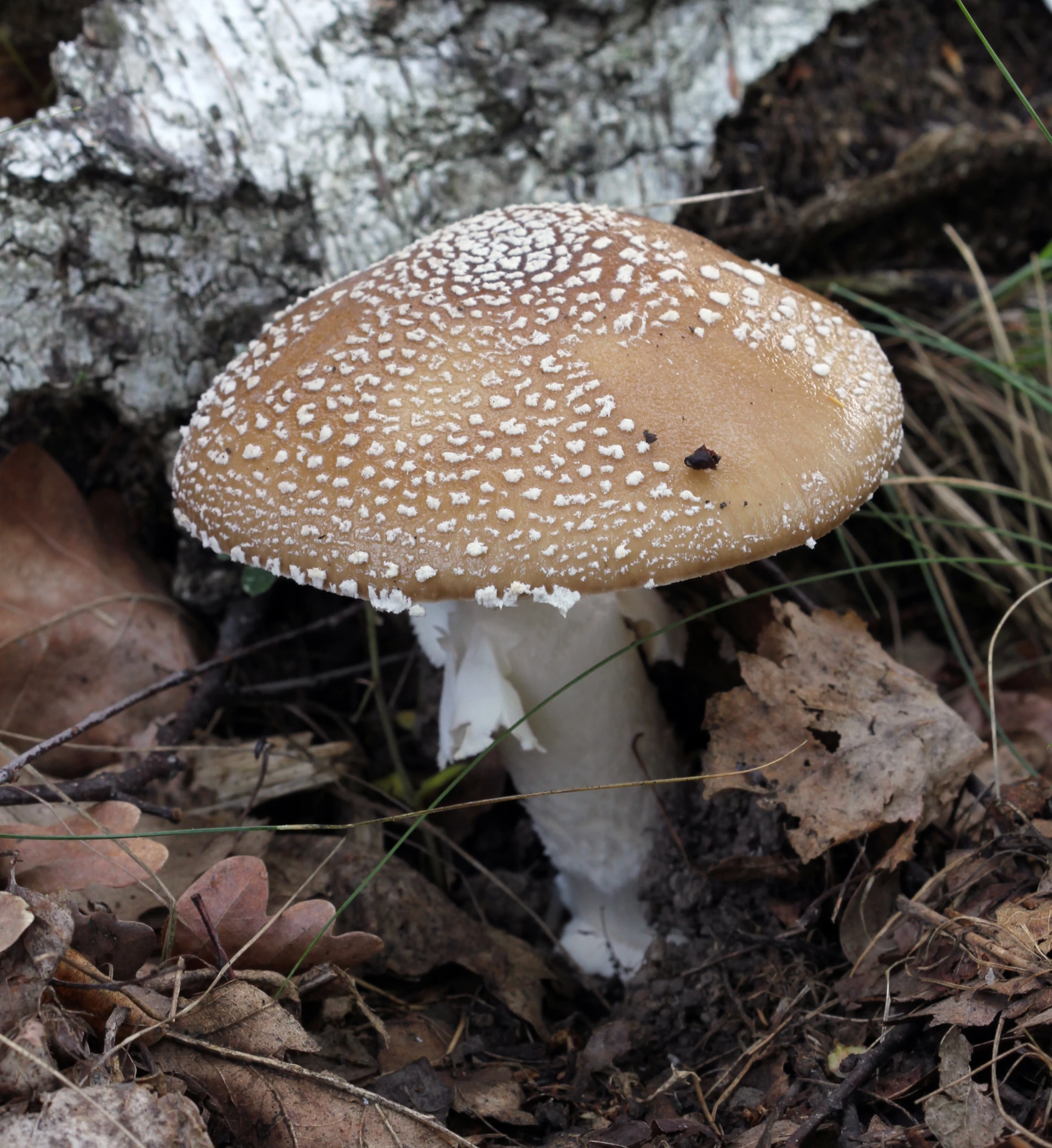
Very similar to Amanita muscaria, but brown in colour. It is a toxic and dangerous mushroom.
Appearance: brown cap with white warts; stem with a ring.
Edibility: poisonous.
Habitat: coniferous and broadleaf woodland.
Season: summer and autumn.
Photo: George Chernilevsky, Wikimedia Commons (public domain)
Death cap (Amanita phalloides) ⚠️ Deadly mushroom ⚠️
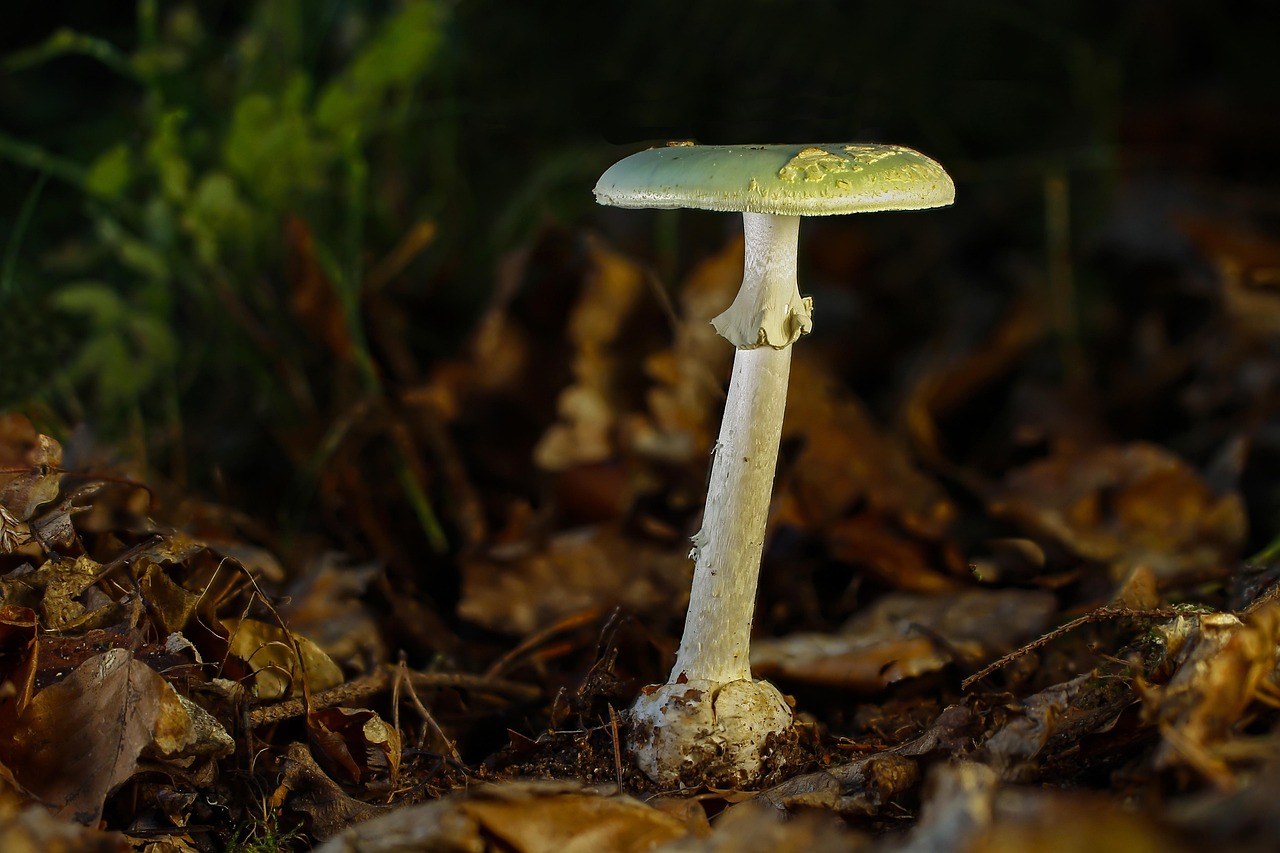
The most dangerous mushroom, responsible for most fatal mushroom poisonings. It is essential to recognise it correctly.
Appearance: greenish cap; white stem with a volva at the base.
Edibility: deadly.
Habitat: broadleaf woodland (oak and beech).
Season: summer and autumn.